 Save to Pinterest
 The smell of melting herb butter on warm bread still takes me back to rainy Sunday afternoons in my tiny first apartment, when I'd toast whatever artisan loaf I'd picked up from the corner bakery and experiment with whatever herbs were wilting in my windowsill pots.
I once made these for a last minute book club gathering when everyone was ravenous and I had zero time to cook anything elaborate. The way people went quiet after the first bite, then started asking exactly what was in that butter, taught me that simple things done beautifully often outshine complicated dishes.
Ingredients
- Crusty artisan bread: Sourdough or baguette gives you that essential crunch and structural integrity, though any bread with some character works beautifully here
- Unsalted butter: Softened to room temperature so it blends seamlessly with the herbs without fighting you
- Fresh parsley: Finely chopped brings that bright green foundation to the butter mixture
- Fresh chives: Their mild onion flavor plays so nicely with the other herbs without overpowering anything
- Fresh thyme: Just a little adds this earthy aromatic depth that makes the butter taste professional
- Garlic clove: Minced as finely as your patience allows, it should melt into the butter not chunk through
- Lemon zest: That half teaspoon wakes everything up and cuts through the richness perfectly
- Freshly ground black pepper: Adds a subtle warmth that lingers after each bite
- Fine sea salt: Just enough to season the butter itself while letting the flaky salt shine on top
- Flaky sea salt: The finishing touch that creates those incredible salty crunch moments against the creamy butter
Tired of Takeout? 🥡
Get 10 meals you can make faster than delivery arrives. Seriously.
One email. No spam. Unsubscribe anytime.
Instructions
- Get your heat ready:
- Preheat that oven to 200°C (400°F) or fire up your broiler to high setting
- Make the magic butter:
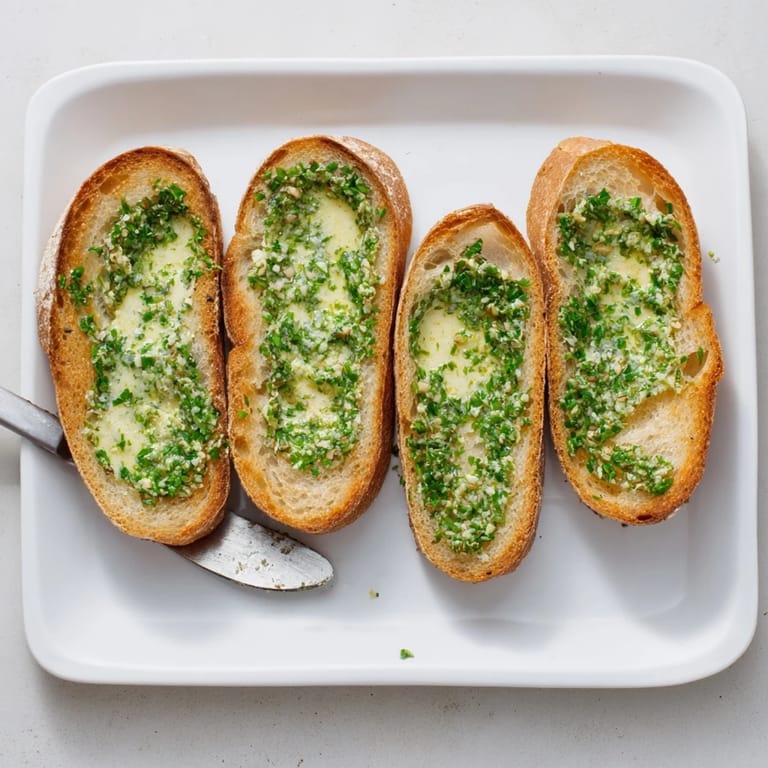
- Mash together your softened butter with parsley, chives, thyme, garlic, lemon zest, pepper, and fine salt until everything is evenly distributed and smelling incredible
- First toast:
- Slide your bread slices onto a baking sheet and let them get just lightly golden and crisp in the oven for 2 or 3 minutes
- Butter generously:
- Spread that beautiful herb butter thickly onto each warm slice while the bread is still hot enough to help it melt slightly
- Final melt:
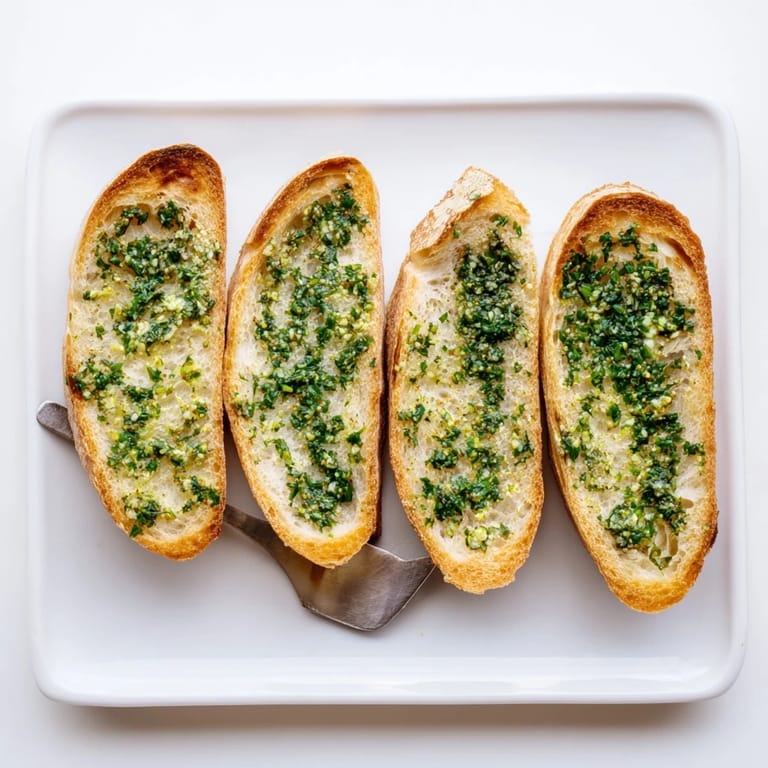
- Return them to the oven for just 1 or 2 minutes more until the butter is glistening and the edges are perfectly golden
- Finish and serve:
- Hit each toast with flaky salt the moment they come out and get them to the table while they are still warm and irresistible
 Save to Pinterest
 My friend Sarah still talks about the evening we sat on my back porch with these toasts and cold white wine, pretending we had all the time in the world even though we both had work the next morning.
Choosing Your Bread
The bread needs enough structure to hold up under generous butter without going soggy immediately. Sourdough is my go to for its tang and sturdy crumb, but a good baguette works beautifully if you want something lighter and airier.
Making Ahead
You can mix up a double batch of that herb butter and keep it rolled in parchment in your freezer, then just slice off what you need whenever the craving strikes. It has saved me so many times when unexpected guests arrive.
Flavor Variations
Once you master the basic formula, the possibilities become endless and exciting.
- Add a pinch of red pepper flakes if you like a little heat
- Try swapping in dill or tarragon for a completely different personality
- A tablespoon of grated parmesan folded in makes everything feel more indulgent
 Save to Pinterest
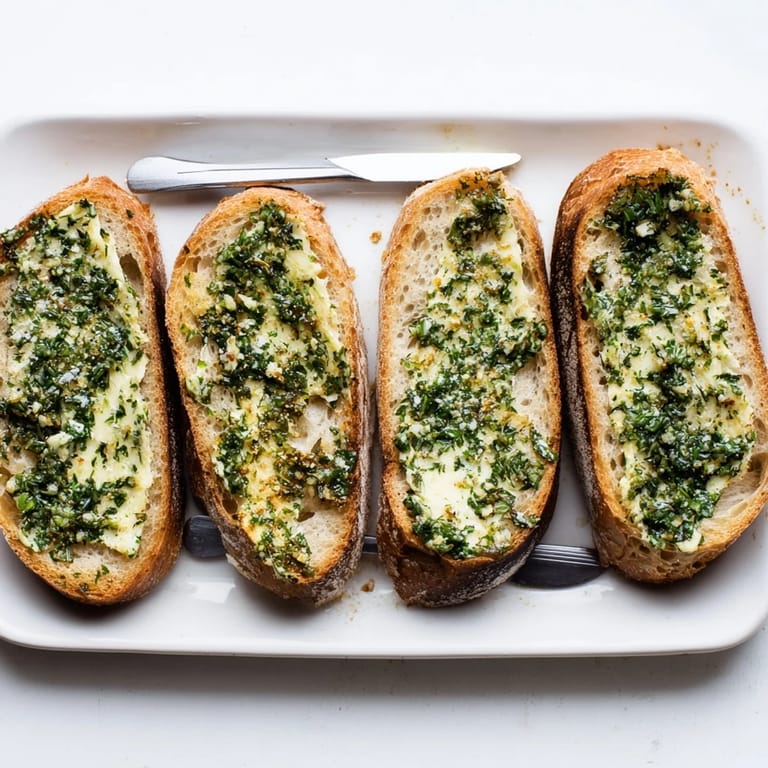
 Some of the best things in life are just bread, butter, and someone to share them with.
Recipe Questions & Answers
- → What type of bread works best?
Crusty artisan breads like sourdough, baguette, or ciabatta provide the ideal texture and structure. Their sturdy exterior holds up well to toasting while maintaining a tender interior that pairs beautifully with melting butter.
- → Can I make the compound butter ahead?
Absolutely. Mix the compound butter and store it in the refrigerator for up to a week or freeze for several months. Bring it to room temperature before spreading for easier application.
- → What other herbs can I use?
Fresh dill, tarragon, basil, or rosemary all work wonderfully in the compound butter. Feel free to adjust based on personal preference or what's growing in your garden.
- → How do I prevent the bread from burning?
Keep a close eye on the broiler and check frequently. Bread goes from golden to burned quickly. The initial toast should take just 2–3 minutes, while the final melt needs only 1–2 minutes.
- → Can I make this dairy-free?
Vegan butter substitutes work well in this preparation. Look for a high-quality brand that melts and spreads similarly to dairy butter for the best results.
- → What should I serve alongside?
These toasts pair beautifully with light soups, crisp white wines, or as part of a larger appetizer spread. They also complement salads containing fresh greens or citrus elements.