 Save to Pinterest
 My neighbour knocked on my door one grey Dublin morning with a warm loaf still wrapped in linen, steam rising from its folds. She'd made it while her kettle boiled, she said, hardly thinking it remarkable until I tasted that dense, wheaty crumb with a whisper of honey butter melting into it. That loaf taught me something simple: the best bread doesn't need fussing over, just honest ingredients and the confidence to let them do their work.
I made this for my partner on a Sunday when we'd spent the morning arguing about something forgettable. The smell of it baking seemed to soften everything between us, and by the time we pulled it from the oven, golden and crackling, we were already laughing at how quickly we'd forgotten what we were cross about. Bread has a way of doing that.
Ingredients
- Whole wheat flour (250g): This is your bread's backbone—Irish-style flour has a particular earthiness, but any quality wholemeal works, and it's what gives the loaf its honest, nutty character.
- All-purpose flour (125g): A little white flour lightens the crumb just enough so it's not dense as a brick, but the wholemeal still leads the show.
- Baking soda (1 teaspoon): No yeast needed here—this is what makes Irish brown bread quick and reliable, reacting with the buttermilk to lift the dough without waiting.
- Salt (1 teaspoon): Don't skip it; salt deepens the flavour of wholemeal and balances the slight sweetness.
- Rolled oats (2 tablespoons, plus extra): These add texture and a subtle sweetness that makes people ask what your secret is.
- Brown sugar (2 tablespoons): Just enough to hint at sweetness without making it a cake; it also encourages a darker crust.
- Buttermilk (480ml): This is essential—it's thinner than yoghurt and thicker than milk, and it creates the right dough consistency while working with the baking soda to lift the bread.
- Unsalted butter (115g): For the honey butter, use softened butter so it whips smoothly with the honey.
- Honey (2 tablespoons): The sweeten to the butter's richness; warm honey incorporates more easily, but it works either way.
Tired of Takeout? 🥡
Get 10 meals you can make faster than delivery arrives. Seriously.
One email. No spam. Unsubscribe anytime.
Instructions
- Heat your oven and prepare:
- Get your oven to 425°F (220°C) and line a baking sheet with parchment or lightly grease a loaf pan while you're at it. This takes the stress out of the moment when you're ready to bake.
- Mix your dry ingredients:
- In a large bowl, combine both flours, baking soda, salt, oats, and brown sugar. Give it a good stir so everything is evenly distributed—this is your only real chance to mix thoroughly.
- Add the buttermilk gently:
- Make a well in the middle and pour in the buttermilk, then stir with a wooden spoon until a shaggy, rough dough comes together. The moment it holds together, stop—overmixing here is how you end up with tough bread that resists you.
- Shape your loaf:
- Turn the dough onto a lightly floured surface and shape it into a round about 2 inches thick. It'll feel a bit sticky and loose compared to yeasted dough, which is exactly right.
- Mark it with intention:
- Using a sharp knife, cut a deep cross from top to bottom, about halfway through the loaf. Sprinkle extra oats over the top if you're feeling generous.
- Bake until golden:
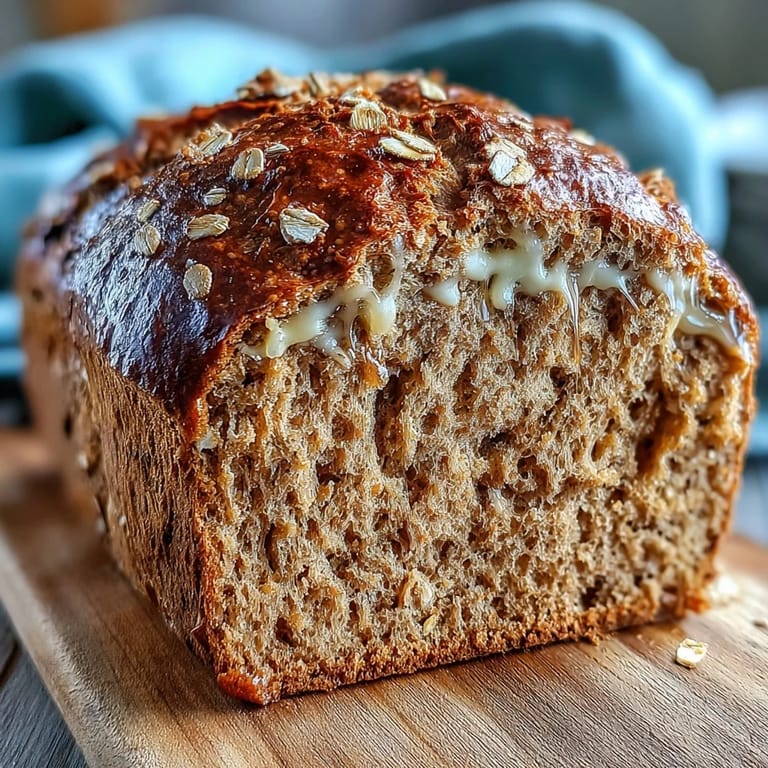
- Place it in the oven and bake for 35–40 minutes until the top is golden brown and the bottom sounds hollow when you tap it. Your kitchen will smell like Ireland right about now.
- Make the honey butter:
- While the bread cools, beat softened butter with honey and a pinch of salt in a small bowl until it's smooth and creamy. This takes less than a minute with a hand mixer or a bit longer by hand, but it's worth the effort.
- Serve warm:
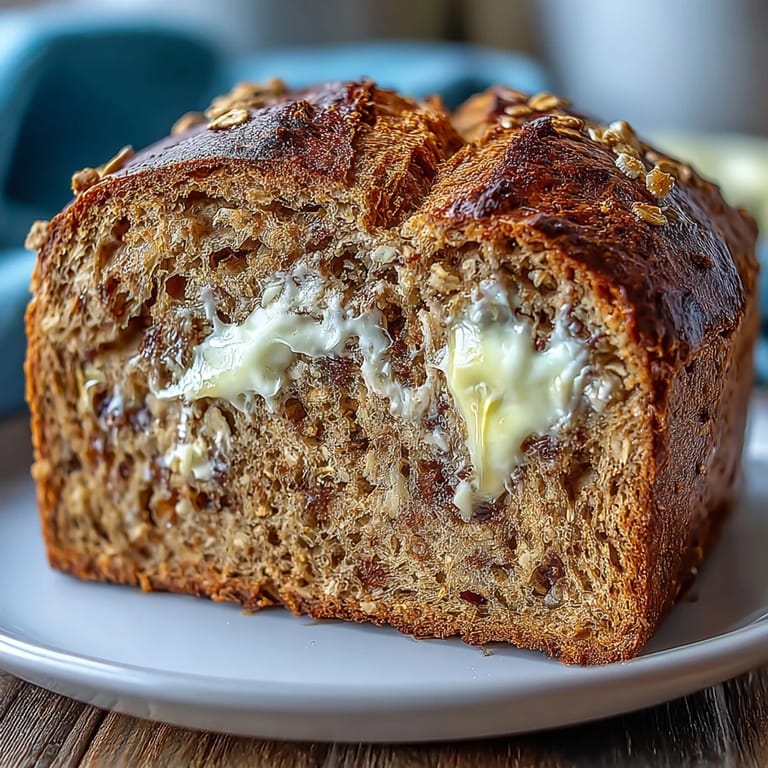
- Slice the cooled bread and spread generous amounts of honey butter over each slice while it's still warm enough to let the butter sink in.
 Save to Pinterest
 There's a moment when you pull this bread from the oven and the kitchen goes quiet with steam and warmth, and you realise you've just made something people will actually want to eat. That's when this recipe stops being instructions and becomes something you'll want to make again and again.
Why Buttermilk Changes Everything
Buttermilk isn't just another ingredient here—it's the reason this bread comes together without yeast or a long rise. The acid in buttermilk reacts with baking soda to create lift, but it also adds a subtle tang that keeps the bread from tasting too sweet. I once tried substituting milk with a splash of vinegar out of desperation, and it worked in a pinch, but the flavour wasn't quite as rounded. The real buttermilk gives you a slight sharpness that balances the brown sugar and honey butter perfectly.
The Honey Butter Moment
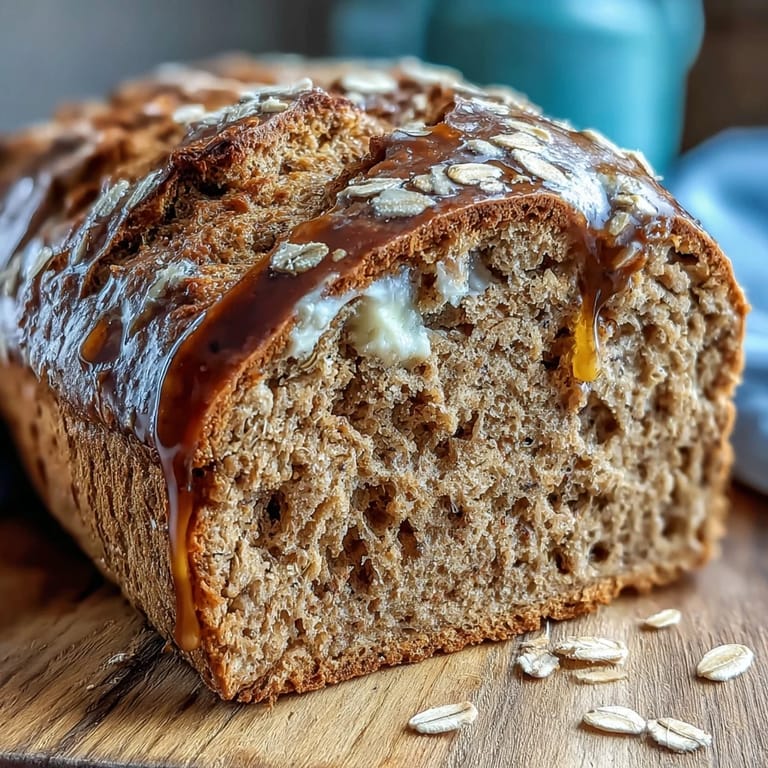
This is the part that makes people close their eyes when they take the first bite. Honey butter seems simple, almost silly—just three ingredients—but there's something about the way it melts into warm bread that feels indulgent. I've served this bread without it, and it's good, honest food. With it, it becomes a small luxury that doesn't cost much or require any skill beyond beating softened butter for a minute.
Making It Your Own
The beauty of brown bread is that it's forgiving and adaptable to what you have on hand or what you're craving that day. A handful of chopped walnuts or sunflower seeds adds nuttiness and texture, transforming it from a humble side into something that could anchor a whole breakfast. Some people toast the oats first to deepen their flavour, or add a pinch of cinnamon if they're feeling fancy. The cross you cut can be shallow or deep, and while it affects how the bread expands, it never fails.
- Try adding seeds like sunflower or pumpkin for crunch and nutrition.
- A pinch of cinnamon or nutmeg works beautifully if you're serving this at breakfast.
- Don't feel locked into honey butter—thyme butter or mashed berries work wonderfully too.
 Save to Pinterest
 This bread is best eaten the same day it's baked, split warm with honey butter, perhaps with a cup of tea and someone you like sitting across from you. That's when it becomes more than recipe—it becomes a reason to pause.
Recipe Questions & Answers
- → What gives Irish brown bread its dense texture?
The combination of whole wheat flour and buttermilk creates a denser, moist crumb typical of Irish brown bread.
- → Can rolled oats be used as a topping?
Yes, sprinkling extra rolled oats on top before baking adds a rustic look and subtle crunch.
- → How does honey butter complement the bread?
The creamy sweetness of honey butter contrasts the bread’s hearty grains, enriching each bite with smooth flavor.
- → Is it possible to make this bread vegan-friendly?
Using plant-based butter and a buttermilk substitute made from plant milk and vinegar makes this loaf vegan.
- → What variations can enhance the bread’s flavor?
Adding chopped walnuts or sunflower seeds to the dough provides nuttier notes and additional texture.
- → How should I test if the bread is fully baked?
The loaf is done when the crust is golden and tapping the bottom produces a hollow sound.