 Save to Pinterest
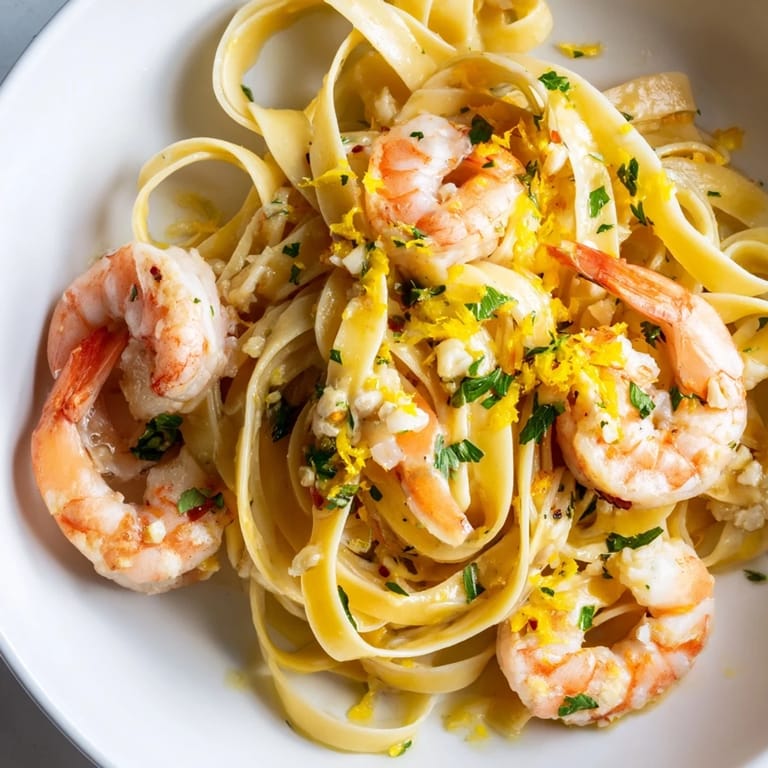
 There was a Tuesday evening when I opened the fridge and found nothing but shrimp I'd forgotten to use and a box of linguine in the pantry. I wasn't in the mood for anything complicated, just something that tasted like I'd tried. Twenty minutes later, I was twirling buttery, garlicky pasta around my fork, wondering why I ever bothered with anything more elaborate. Sometimes the best meals are the ones you don't plan, the ones that come together because you're hungry and the ingredients happen to be right.
I made this for my sister once when she came over unannounced, stressed from work and claiming she wasn't hungry. She ate two full servings and texted me the next day asking for the recipe, even though she'd watched me make it. There's something about shrimp and garlic and butter that cuts through whatever mood you're in and resets the evening.
Ingredients
- Large shrimp, peeled and deveined: Go for the biggest shrimp you can afford because they stay tender and don't overcook as easily, plus they look more generous on the plate.
- Linguine pasta: The flat shape holds onto the sauce better than spaghetti, but honestly, use whatever long pasta you have because it all works.
- Unsalted butter: This is where the richness comes from, and using unsalted lets you control the salt level since shrimp can be naturally briny.
- Extra virgin olive oil: Mixing it with butter stops the butter from burning and adds a fruity depth that balances the richness.
- Garlic, minced: Six cloves sounds like a lot until you taste it, then you'll wish you'd added seven.
- Crushed red pepper flakes: Just a pinch wakes everything up without making it spicy, but skip it if heat isn't your thing.
- Lemon zest and juice: This is the secret that keeps the dish from feeling too heavy, the brightness cuts right through the butter.
- Fresh parsley, chopped: It adds color and a fresh bite at the end, don't skip it even if you think herbs don't matter.
- Salt and black pepper: Season as you go, not just at the end, it makes a difference.
- Parmesan cheese: Totally optional, but a little grated on top adds a salty, nutty finish that some people love.
Tired of Takeout? 🥡
Get 10 meals you can make faster than delivery arrives. Seriously.
One email. No spam. Unsubscribe anytime.
Instructions
- Boil the Linguine:
- Get a large pot of water boiling with enough salt that it tastes like the ocean, then cook the linguine until it still has a little bite. Before you drain it, scoop out half a cup of that starchy pasta water because it's liquid gold for bringing the sauce together.
- Prep the Shrimp:
- Pat the shrimp completely dry with paper towels so they sear instead of steam, then season them lightly with salt and pepper. Wet shrimp will never brown properly and you'll miss out on that little bit of caramelization.
- Start the Garlic Butter:
- Melt the butter with olive oil in a large skillet over medium heat, then add the garlic and red pepper flakes. Let it sizzle for about a minute until your kitchen smells incredible, but pull it off the heat before the garlic turns brown because burnt garlic tastes bitter.
- Cook the Shrimp:
- Lay the shrimp in a single layer in the skillet and leave them alone for two minutes so they get a little color on one side. Flip them once and cook another two minutes until they're pink and just cooked through, no longer.
- Add Lemon and Pasta:
- Stir in the lemon zest and juice, then add the drained linguine and toss everything together with tongs. If it looks dry, add splashes of that reserved pasta water until the sauce clings to the noodles like a glossy coating.
- Finish and Serve:
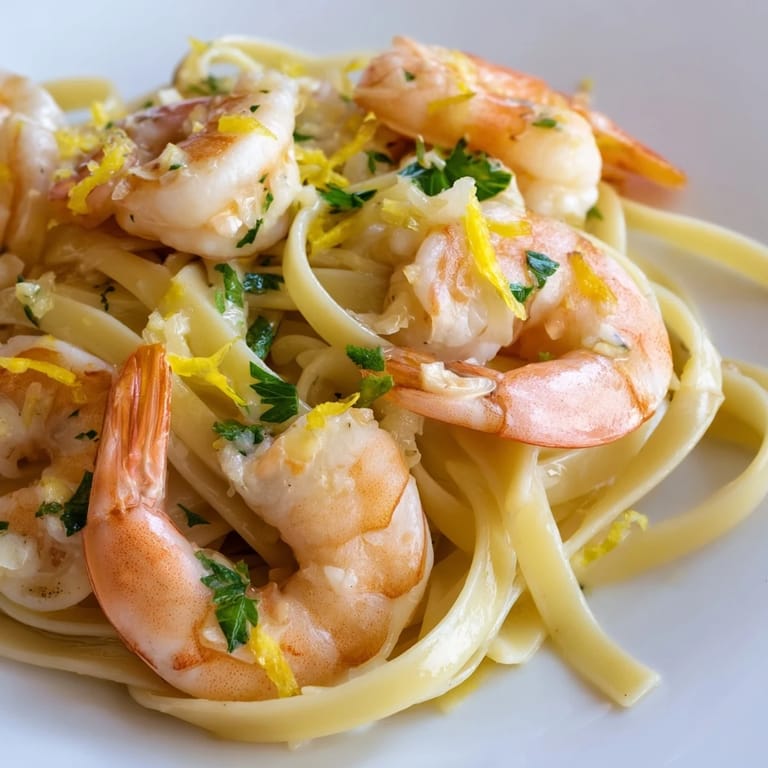
- Pull the skillet off the heat, toss in the chopped parsley, and taste for salt and pepper. Serve it right away while it's hot, with Parmesan on the side if you want it.
 Save to Pinterest
 One night I made this and forgot to reserve the pasta water, so I just added a splash of the white wine I was drinking and it worked beautifully. Now I do it on purpose sometimes because the wine adds another layer of flavor that makes the dish feel a little fancier. It's one of those happy accidents that became a habit.
Choosing Your Shrimp
I used to buy whatever shrimp was on sale until I learned that size actually matters for timing and texture. Large shrimp stay juicy and give you more room for error, while smaller ones overcook in seconds and disappear into the pasta. If you can find wild-caught, they tend to have more flavor, but good quality frozen shrimp work perfectly as long as you thaw them gently in the fridge overnight.
Making It Your Own
This recipe is a template more than a rule, and I've seen people make it their own in a dozen ways. Some add cherry tomatoes that burst in the pan and create little pockets of sweetness, others throw in spinach at the end for color and nutrition. A friend of mine swears by adding a spoonful of mascarpone to make it creamy, and honestly, it's hard to argue with that.
Serving and Pairing
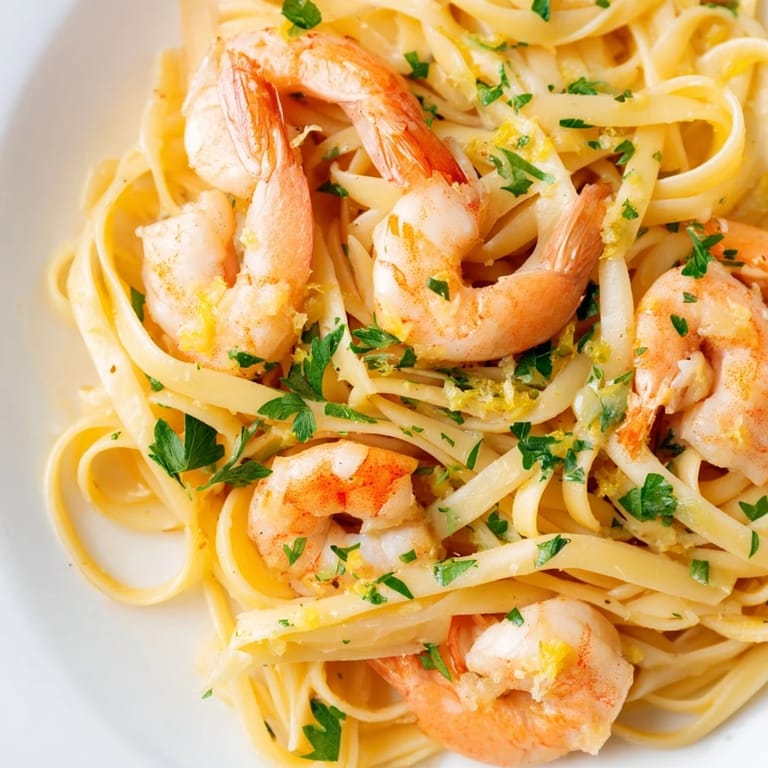
I usually serve this straight from the skillet with crusty bread on the side to soak up any extra sauce, because letting that garlic butter go to waste feels like a crime. A simple green salad with lemon vinaigrette balances the richness, and if you're drinking wine, something crisp and citrusy like Sauvignon Blanc or Pinot Grigio cuts through the butter beautifully.
- Have everything prepped before you start cooking because once the shrimp hit the pan, it all moves fast.
- Taste the pasta water before you drain it, if it's not salty enough, your pasta will taste flat no matter what you do.
- Leftovers reheat surprisingly well if you add a splash of water or broth and warm them gently in a skillet, the microwave will turn the shrimp into rubber.
 Save to Pinterest
 This is the kind of dish that makes you feel capable in the kitchen, even on nights when you're not sure you have the energy to cook. It comes together so quickly and tastes so good that you'll start keeping shrimp in the freezer just in case.
Recipe Questions & Answers
- → How do I prevent the shrimp from becoming rubbery?
Pat the shrimp dry before cooking and cook them for only 2 minutes per side over medium heat. They continue cooking slightly after being removed from heat, so avoid overcooking on the stovetop. The shrimp should turn pink and opaque when done.
- → Can I make this dish ahead of time?
This pasta is best served immediately after preparation to maintain the ideal texture and sauce consistency. However, you can prep ingredients in advance: peel and devein shrimp, mince garlic, and chop parsley ahead of time for quicker assembly.
- → What pasta water does for this sauce?
Reserved pasta water contains starch that helps emulsify the butter and olive oil into a cohesive sauce. Adding it gradually helps the sauce cling to the linguine strands and creates a silky texture without needing cream.
- → How can I add more depth to the garlic butter sauce?
Try adding a splash of dry white wine to the skillet before adding the shrimp, or finish with a pinch of anchovy paste for umami depth. Fresh herbs like thyme or oregano during cooking also enhance the flavor profile.
- → What wine pairs best with this dish?
Crisp white wines work beautifully with this garlic butter shrimp pasta. Sauvignon Blanc, Pinot Grigio, and Vermentino all complement the bright lemon and buttery sauce while cutting through the richness of the dish.
- → Are there good substitutes for linguine?
Fettuccine, spaghetti, or bucatini work well with this sauce. For a heartier option, try pappardelle. For gluten-free needs, quality gluten-free pasta absorbs the sauce beautifully when cooked al dente.