 Save to Pinterest
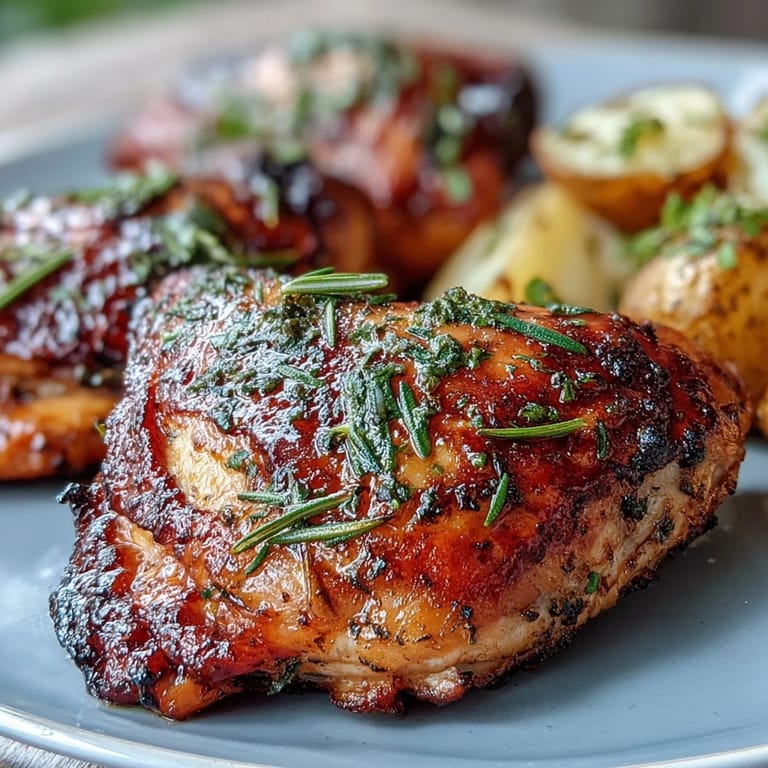
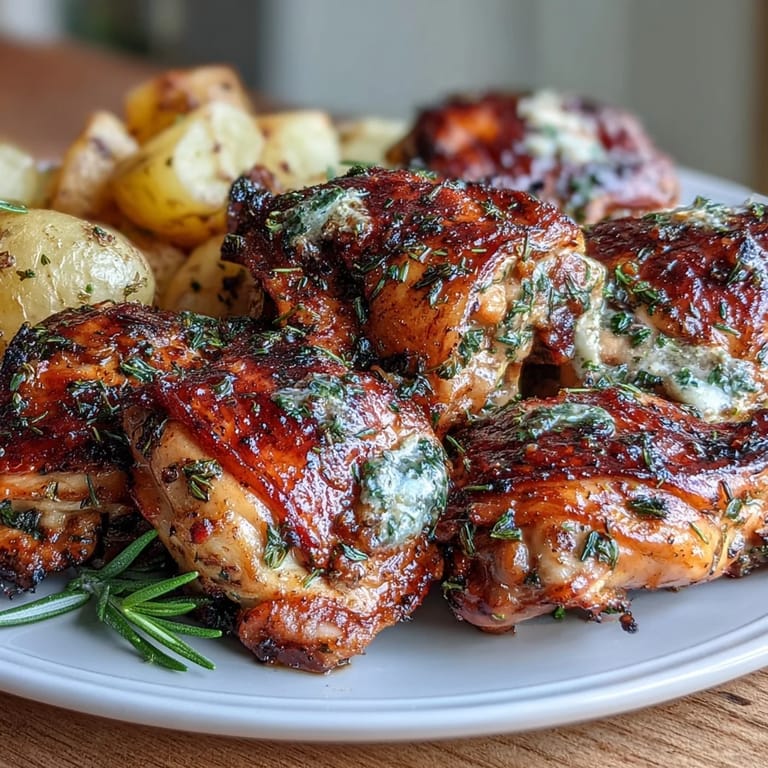
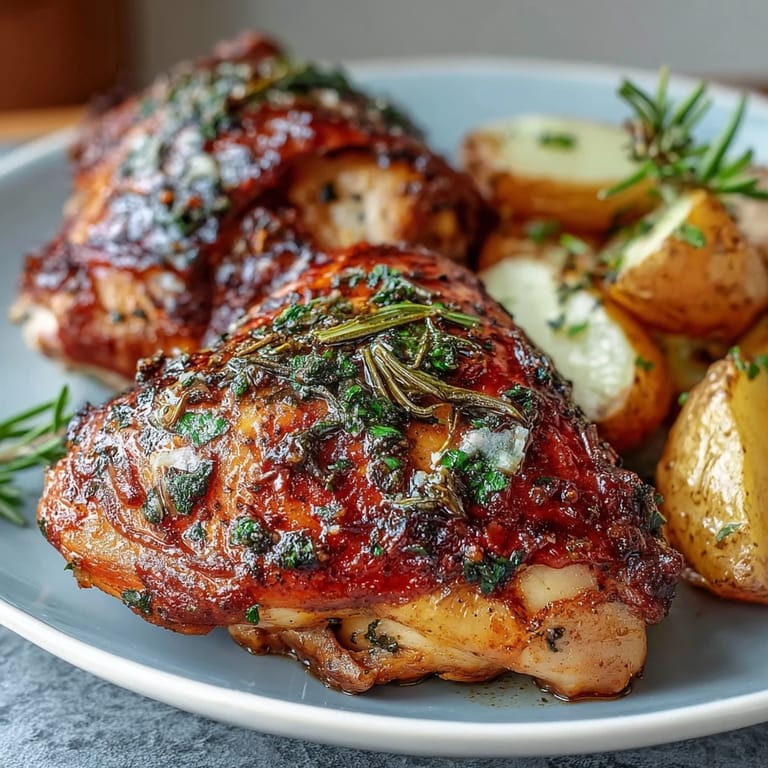
 My neighbor knocked on the kitchen door one April afternoon, drawn by the smell of lemon and rosemary drifting through the fence. That's when I realized this roasted chicken wasn't just dinner—it was an invitation. The golden skin, the herb-kissed potatoes, the way the kitchen fills with spring itself. I've made it dozens of times since, and it never fails to turn a regular evening into something people actually want to stick around for.
I made this for my daughter's birthday dinner last spring, nervous about feeding six people something I'd only tested once before. Halfway through roasting, I peeked at the thermometer and realized I'd been holding my breath. When that chicken came out golden and the potatoes were crispy at the edges, I felt like I'd actually pulled something off. She hugged me before even tasting it, which told me everything.
Ingredients
- Whole chicken (4 lbs): The foundation of everything—choose one that feels substantial in your hands, and make sure those giblets are truly gone or they'll throw off your timing.
- Olive oil: Good quality matters here since it's doing the heavy lifting of flavor, not just cooking; I learned this the hard way with cheap oil that burned.
- Fresh lemons: Zest them while they're firm, juice them just before using, and save those halves for the cavity where they'll steam the inside beautifully.
- Garlic (4 cloves, minced): Mince it fine so it distributes evenly under the skin and doesn't char into bitterness during the long roast.
- Fresh rosemary and thyme (2 tbsp each): Strip the leaves from woody stems with your fingers—dried herbs won't give you that fresh, bright quality that makes people ask what you did differently.
- Fresh parsley (1 tbsp for marinade, 2 tbsp for garnish): The garnish isn't decoration; it's a last-minute brightness that finishes the dish properly.
- Sea salt and black pepper: Use fresh-ground pepper if you can; pre-ground loses its punch sitting in the pantry, and this dish deserves that small upgrade.
- Baby potatoes (2 lbs, halved): Halving them lets them brown faster and get crispy on the cut sides—the texture difference is worth the extra knife work.
Tired of Takeout? 🥡
Get 10 meals you can make faster than delivery arrives. Seriously.
One email. No spam. Unsubscribe anytime.
Instructions
- Get everything ready:
- Preheat your oven to 425°F and pat the chicken completely dry with paper towels—moisture is the enemy of crispy skin, and you'll feel the difference the moment it comes out golden.
- Make the herb paste:
- Whisk together the olive oil, lemon zest, lemon juice, minced garlic, rosemary, thyme, and parsley in a small bowl until it looks like a loose pesto. This is your flavor base, so smell it and adjust if something feels off.
- Season the chicken inside and out:
- Rub that herb paste everywhere—under the skin, all over the outside, inside the cavity—and don't be shy about it. Slip those lemon slices inside the cavity where they'll flavor the bird from within as it roasts.
- Arrange potatoes and season:
- Scatter the halved baby potatoes around the chicken, drizzle them with olive oil, and toss them gently so each piece gets coated. They'll roast in the chicken fat and create golden, crispy edges.
- Roast until it's done:
- Slide the pan into the oven and roast for 1 hour 10 to 15 minutes, checking that a meat thermometer reads 165°F in the thickest part of the thigh. If the potatoes still look pale when the chicken is done, pull the bird out carefully and broil the potatoes for 5 to 7 minutes until they're golden and crispy.
- Rest and finish:
- Let the chicken rest for 10 minutes before carving—this keeps the meat juicy instead of dry. Garnish everything with fresh parsley and serve family-style right from the roasting pan.
 Save to Pinterest
 My partner sat down after the first bite and just closed his eyes for a moment. He didn't say anything, but I knew he was tasting what I'd been after—that balance where lemon doesn't overpower, herbs don't disappear, and somehow a simple roasted chicken tastes like you've been cooking all day. That's the moment when a recipe becomes something you make again and again.
The Secret of Crispy Skin
Crispy skin isn't luck—it's physics and patience. Starting at 425°F gets that skin color and crispness early, but the real magic happens because you patted the chicken dry and didn't cover it. The dry heat circulates all around, crisping every angle. I watched a friend cover her bird with foil thinking she was preventing burning, and the skin steamed into rubbery submission. Once you understand that moisture is your enemy and heat is your friend, you stop worrying and start enjoying the smell.
Why This Works for Spring Dinners
Spring vegetables in the garden were just beginning when I first made this, and I realized lemon and fresh herbs are exactly what you crave when winter is finally over. The brightness cuts through the richness of roasted chicken without apology. It's substantial enough to feel like a proper dinner, but it doesn't weigh you down the way heavier dishes do this time of year. Every spring since, I've known exactly what to make when the first warm evening rolls around and I want to invite people over.
Timing and Temperature Matter
I've made this chicken at different oven temperatures and learned that 425°F is the sweet spot—hot enough to crisp the skin before the inside dries out, but not so ferocious that the exterior burns. A meat thermometer takes the guesswork out of doneness, and thigh meat is the safest place to check because it's the thickest part. Once you hit 165°F, you're done, and those 10 minutes of resting that follow are non-negotiable if you want juicy meat.
- Invest in a good instant-read thermometer; it's the difference between confidence and anxiety.
- If your potatoes finish before the chicken, remove them to a warm plate instead of overcooking them to mush.
- The roasting pan itself becomes a serving vessel, which saves dishes and looks intentional.
 Save to Pinterest
 This dish has become my answer to the question of what to make when I want to feel like I'm cooking something special without actually spending all day in the kitchen. It's become the meal I make when people matter.
Recipe Questions & Answers
- → How do I ensure the chicken stays juicy after roasting?
Pat the chicken dry before applying the herb and lemon marinade to help crisp the skin. Roast it at a high temperature initially, then reduce to cook evenly. Allow the chicken to rest 10 minutes after roasting to redistribute juices.
- → Can I substitute baby potatoes with other types?
Yes, fingerling or small Yukon Gold potatoes work well as alternatives, offering similar tenderness and roasting qualities.
- → What is the best way to apply the lemon and herb mixture?
Rub the marinade all over the chicken skin, under the skin, and inside the cavity to maximize flavor penetration throughout the meat.
- → How can I get the potatoes nice and crispy?
Coat the potatoes thoroughly with olive oil and seasoning, then roast them with the chicken before finishing under the broiler for a few minutes to crisp the edges.
- → What herbs complement the lemon flavor best in this dish?
Rosemary, thyme, and parsley bring a harmonious balance of earthiness and freshness, enhancing the bright citrus notes from the lemon.