 Save to Pinterest
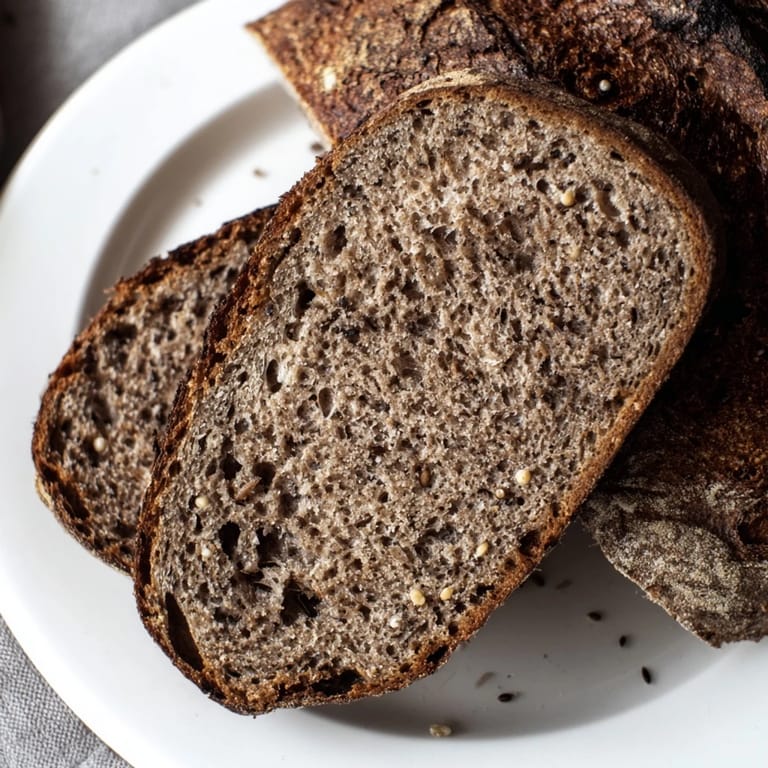
 My first bite of Estonian leib happened in a small Tallinn café on a gray November afternoon, the kind where steam from a coffee cup fogs your glasses. The bread was dark, nearly black, with a crust that crackled under the knife and an interior so dense it practically held your attention. I remember the sharp earthiness of caraway and that unexpected sweetness from molasses—flavors that felt like they belonged to the landscape itself, shaped by centuries of Baltic winters and resourceful hands. That single slice, spread with salted butter and paired with smoked mackerel, changed how I thought about what bread could be.
Years later, I made this for my partner during one of those mornings when everything felt uncertain. The rhythm of mixing and waiting, the way the dough transformed overnight from thick and stubborn into something alive and breathing—it became a quiet conversation with myself about patience. When we finally sliced into it and the crust sang, I realized the bread had become less about feeding someone and more about showing up, about trusting that slow things work.
Ingredients
- Rye sourdough starter, 100 g: This is your living culture, the yeast and bacteria that will leaven your entire loaf; make sure it's bubbly and active before you begin, fed within the last few hours.
- Dark rye flour, 400 g: The soul of the bread, dense and slightly sweet, it needs the bread flour's gluten strength to hold structure or the loaf becomes a brick.
- Bread flour, 100 g: Your structural ally, providing gluten networks that rye flour alone cannot build; don't skip this or your crumb will collapse.
- Lukewarm water, 300 ml: Temperature matters more than you'd think—if it's hot, you'll kill your starter; too cold and fermentation stalls.
- Dark rye malt, 50 g: This ingredient is the secret to that deep, almost chocolate-like complexity; you can substitute with barley malt powder, though the flavor softens slightly.
- Molasses or dark honey, 2 tbsp: Beyond sweetness, it feeds your fermentation and creates depth that plain sugar simply cannot deliver.
- Caraway seeds, 1 tbsp: Toast them first if you want the flavor to sing louder; raw, they whisper instead.
- Fine sea salt, 2 tsp: Don't use table salt—the anti-caking agents create an odd texture; sea salt dissolves cleanly into the dough.
Tired of Takeout? 🥡
Get 10 meals you can make faster than delivery arrives. Seriously.
One email. No spam. Unsubscribe anytime.
Instructions
- Awaken your starter:
- Pour the rye starter into a large bowl with the lukewarm water and molasses, stirring until the molasses dissolves and the mixture looks streaky and unified. This moment matters—you're creating an environment where fermentation can accelerate.
- Build the dough:
- Add all the flours, malt, caraway seeds, and salt in one sweep, then mix with a wooden spoon until no dry flour remains and everything clumps together into a shaggy, sticky mass. This is not a smooth dough like wheat bread; it should look almost hostile, thick and resistant to stirring.
- First rise—the overnight stretch:
- Cover your bowl with a damp cloth and let it sit at room temperature for 10–12 hours, or overnight, until the surface becomes visibly puffy and bubbles break through like tiny volcanoes. You'll know it's ready when the dough has roughly doubled and smells almost spicy from fermentation.
- Shape and proof:
- Line a loaf pan with parchment or grease it well, then scrape the dough into the pan using a wet spatula—this stuff clings to everything, so dampness is your friend. Smooth the top gently, sprinkle with caraway seeds if you want them, cover loosely, and let it rise again for 2–4 hours until it nearly reaches the rim of the pan.
- Prepare your oven:
- Preheat to 220°C and place a shallow pan of water on the bottom rack to create steam, which will help your crust develop that deep color and crackle. This steam is non-negotiable for the correct texture.
- Bake with intention:
- Bake the loaf at 220°C for 15 minutes until the top sets, then lower the heat to 190°C and continue for 30 minutes more until the crust is nearly black and the bottom sounds hollow when you tap it. The loaf will seem impossibly dark—this is correct.
- Cool before you slice:
- Remove to a wire rack and let it rest completely, at least one hour, though two is better. The interior continues to set as it cools, and slicing too early tears the crumb into ugly chunks.
 Save to Pinterest
 The first time I gave a loaf away, the recipient called the next day to say she'd eaten half of it in one sitting with nothing but butter, which shouldn't have been possible. I understood then that good bread doesn't need excuses or accompaniments—it speaks for itself, and that's when you know you've captured something real.
The Flavor Profile, Explained
Estonian leib tastes almost like it developed in a library—dark, studious, layered. The rye brings earthiness and a slight bitterness at the finish, while the malt adds depth that reminds you of dark chocolate or coffee without any sweetness. Caraway is the bright surprise, cutting through richness with a mineral bite that keeps you reaching for another slice. The molasses doesn't make the bread sweet so much as rounded, filling in the spaces between the harder flavors and making everything feel intentional. This is not a bread that whispers; it announces itself in your mouth.
Best Served With
Think of this bread less as a vehicle for toppings and more as an equal partner on the plate. Salted butter is the classic route—the bread's complexity needs something simple to balance it. Smoked fish becomes transcendent here, the smoke echoing the bread's darkness. Aged cheeses, especially hard ones, match its density without overwhelming it. In Estonia, it's also served alongside soups where the slices soak up broth without falling apart, a practical pairing born from generations of home cooking.
Storage & Keeping
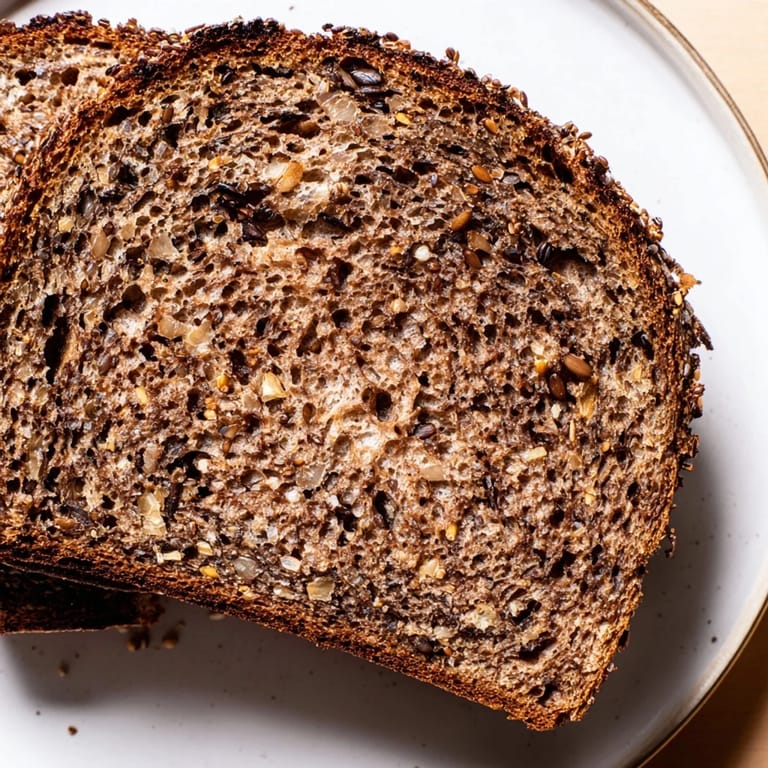
This bread stays fresh longer than you'd expect, which makes it perfect for planning ahead instead of baking weekly. Wrapped loosely in a kitchen towel on the counter, it keeps for five to seven days without drying out—the dense crumb and high moisture actually protect it from staleness. If it does harden, slice it and toast it, which transforms it into something crunchy and almost snack-like, delicious with butter or cheese. Never refrigerate it, as cold accelerates staling; freezing works beautifully though, and you can thaw slices as needed.
- A loose cloth wrap prevents mold better than plastic, which traps steam and creates moisture.
- Sliced bread keeps longer than a whole loaf because you use it gradually instead of exposing the entire interior.
- Day-old leib often tastes better than fresh, once the crumb has fully set and the flavors have settled.
 Save to Pinterest
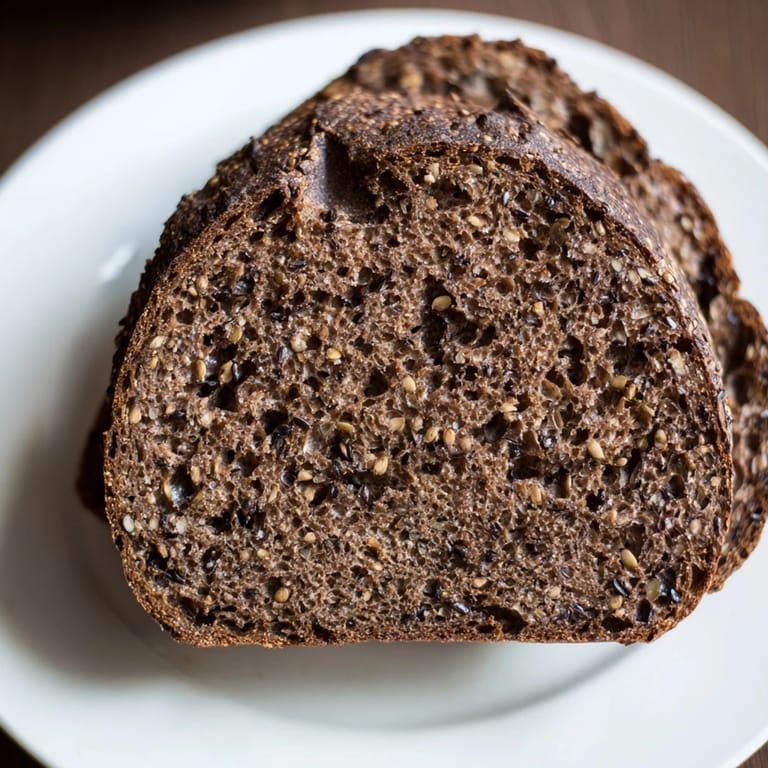
 Making this bread reconnects you to something older than recipes, something about transformation and trust. Every loaf tastes slightly different because your starter and your kitchen are never quite the same twice, and that variation is the whole point.
Recipe Questions & Answers
- → What gives this bread its characteristic aroma?
The combination of dark rye malt and caraway seeds imparts a rich, earthy fragrance and subtle sweetness to the loaf.
- → How long should the dough rise for best results?
The initial rise should be 10–12 hours at room temperature, followed by a second rise of 2–4 hours to develop flavor and structure.
- → Why is steam used during baking?
Steam helps create a crisp, glossy crust while keeping the interior moist and tender.
- → Can molasses be substituted in this loaf?
Yes, dark honey can be used as a natural sweetener for similar depth and aroma.
- → What are ideal pairings for this bread?
This loaf pairs excellently with salted butter, aged cheeses, or smoked fish to complement its robust flavor.