 Save to Pinterest
 The first time I made a crookie, I was standing in my kitchen on a rainy Sunday afternoon, caught between two dessert cravings I couldn't choose between. My hands were already covered in laminated dough when it hit me: why not have both? That moment of kitchen recklessness turned into something I couldn't stop making. Now, every time I pull these golden, flaky-yet-chewy hybrids from the oven, that same spark of happy accident comes rushing back.
I made these for my sister's book club and watched everyone go quiet the moment they bit in—that surprised pause before someone laughed and said they couldn't decide what they were eating. That's when I knew I'd stumbled onto something special, something that made people pause and enjoy the moment a little longer.
Ingredients
- All-purpose flour (250 g for dough, 120 g for cookie layer): The foundation of structure; I use the same brand consistently so the hydration stays predictable across batches.
- Granulated sugar (30 g for dough, 40 g for cookies): This feeds the yeast and adds subtle sweetness to the dough itself without overwhelming the chocolate later.
- Brown sugar (60 g): Brings molasses depth and helps keep the cookie layer tender when pressed between the laminated sheets.
- Instant yeast (7 g): The quiet engine of this whole thing; make sure it's fresh or your dough won't puff properly.
- Whole milk, lukewarm (120 ml): Warmth matters here—cold milk will slow fermentation, but milk that's too hot kills the yeast.
- Eggs (1 whole for dough, 1 yolk for cookies): The whole egg adds moisture and richness to the laminated dough; the yolk tenderizes the cookie layer.
- Unsalted butter (150 g cold for lamination, 25 g melted for dough, 70 g softened for cookies): Butter temperature is everything—cold for laminating crispy layers, melted for incorporating into dough, softened for creaming into the cookie base.
- Salt (1/4 tsp for dough, 1/4 tsp for cookies): Salt doesn't just season; it strengthens gluten and makes chocolate taste sharper and more complex.
- Vanilla extract (1 tsp): A small amount keeps things subtle and prevents the cookie layer from tasting flat.
- Baking soda (1/2 tsp): Works with the brown sugar's acidity to create lift and tender crumb in the cookie layer.
- Dark chocolate chips (100 g): I learned to use chips slightly larger than standard ones so each bite has a real chocolate presence.
Tired of Takeout? 🥡
Get 10 meals you can make faster than delivery arrives. Seriously.
One email. No spam. Unsubscribe anytime.
Instructions
- Build your laminated dough base:
- Combine flour, granulated sugar, salt, and yeast in a bowl, then add the lukewarm milk, melted butter, and whole egg. Mix until a shaggy dough comes together, then knead for five minutes until it's smooth and slightly tacky—you want it soft enough to work with but structured enough to hold butter layers.
- First chill and butter preparation:
- Shape your dough into a rough rectangle, cover it with plastic wrap, and let it rest in the fridge for thirty minutes. While it chills, place your cold 150g butter between two pieces of parchment and pound it with a rolling pin until it forms a flat 15x15 cm square that's pliable but still cold.
- Lock in the butter (first fold):
- Roll your chilled dough out to roughly 30x15 cm, place that butter square in the center, then fold both long sides of dough over it like you're wrapping a gift. Press the seams closed so the butter stays sealed inside.
- Roll and fold sequence:
- Roll the whole thing out to 45x20 cm, then fold it into thirds like a letter, chill for thirty minutes, and repeat this rolling and folding process two more times, chilling between each one. After the final fold, give it a full hour in the fridge so the gluten relaxes completely and the butter stays perfectly separated in layers.
- Prepare your cookie layer:
- Beat softened butter with both sugars until the mixture is pale and fluffy, then add the egg yolk and vanilla, mixing until everything is incorporated. Sift in the flour, baking soda, and salt, fold gently until just combined, then fold in the dark chocolate chips—don't overwork this or your cookies will be tough.
- Assemble the magic:
- Roll your laminated dough out to 30x25 cm, about 6 mm thick, then spread or dollop the cookie dough evenly across the surface, leaving about 1 cm bare on all edges. Roll it up tightly from the long side, like a spiral, then slice it into eight equal rounds with a sharp knife, working slowly so you don't crush the layers.
- Proof with patience:
- Place your rounds on parchment-lined baking sheets, cover them loosely with plastic wrap, and let them sit at room temperature for one hour. You'll see them puff up slightly and feel a little springy when you gently poke one—that's when you know they're ready.
- Bake until golden:
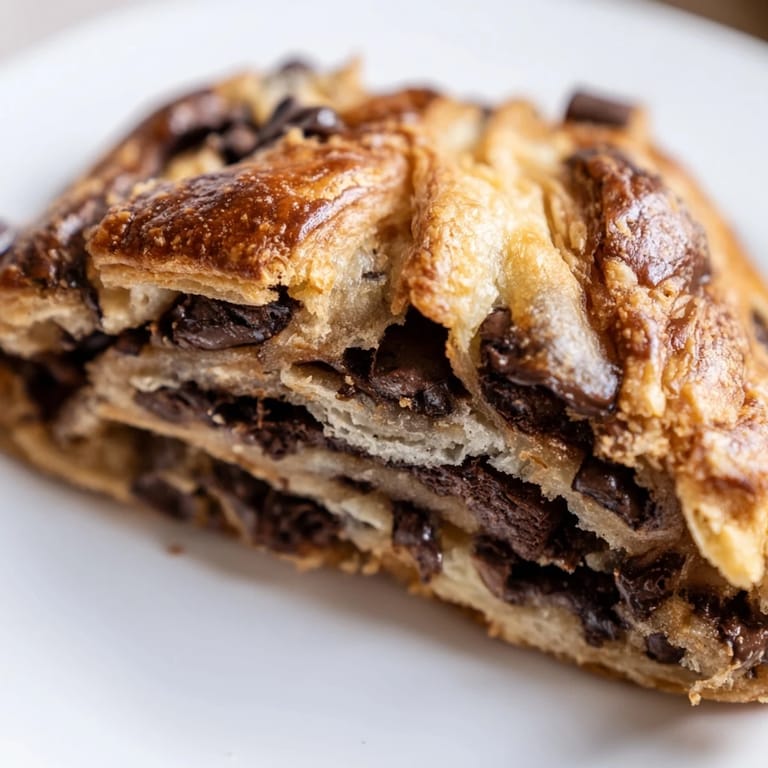
- Preheat your oven to 190°C, then slide the crookies in and bake for eighteen to twenty minutes, watching until they're deep golden brown on top and the edges feel firm. Cool them on a wire rack before serving so the chocolate sets and the layers have a chance to crisp slightly.
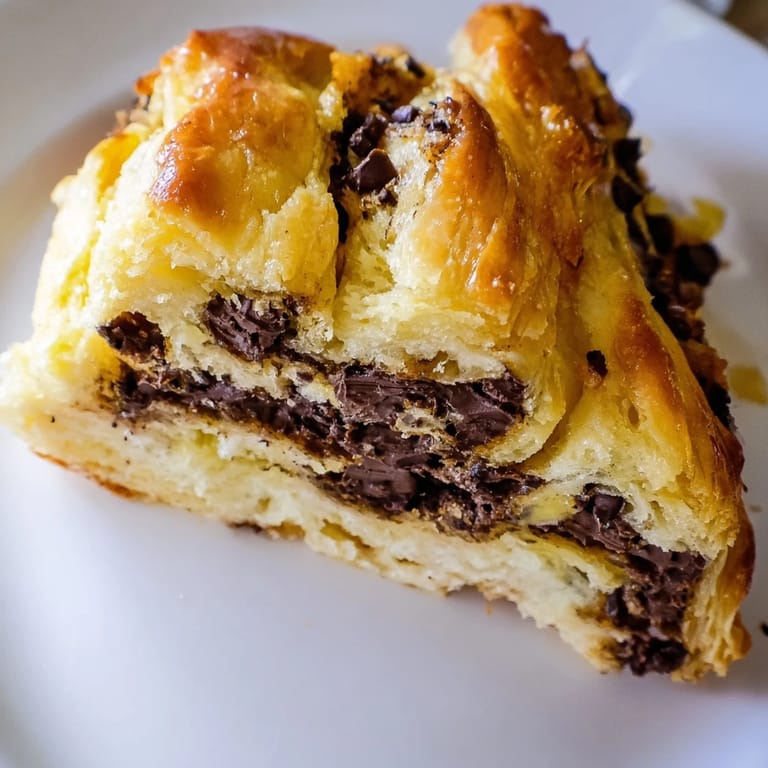 Save to Pinterest
 There's a moment, about fifteen minutes into baking, when the butter starts steaming between the layers and the kitchen fills with this incredible smell of caramelizing pastry and melting chocolate. It's the moment I stop whatever I'm doing and just stand there, waiting, because I know something beautiful is about to happen.
Temperature and Timing Matter More Than You Think
Everything in this recipe hinges on butter staying cold during lamination and warm during baking. I learned this the hard way when I let my dough sit out for too long and ended up with greasy, flat crookies instead of flaky ones. Now I set a timer not just for the oven, but for my fridge breaks too—thirty minutes, no more, no less. The proofing stage is equally unforgiving; I've found that watching for a gentle spring-back when you press the dough is more reliable than the clock.
The Art of Spreading Cookie Dough
This is where most people trip up, and I did too the first few times. The cookie dough is thick and wants to tear the delicate laminated layers underneath. My solution was to dollop it in small piles first, then use an offset spatula dipped in water to gently spread it across the dough. It takes maybe two extra minutes but saves you from puncturing all those beautiful layers you spent hours creating.
Variations That Absolutely Work
Once you've nailed the basic crookie, you can start playing around without losing what makes it special. I've added chopped hazelnuts to the chocolate chips, swapped in white chocolate for half the dark chocolate, and even stirred in a pinch of sea salt into the cookie dough for a subtle savory edge. The beauty of this recipe is that the laminated structure is strong enough to hold whatever you want to fold into it.
- Try dark chocolate and almond slivers for a more refined vibe, or milk chocolate with crushed pretzels for sweet and salty contrast.
- A teaspoon of espresso powder mixed into the cookie layer deepens the chocolate flavor without making it taste like coffee.
- Brush the tops with a quick egg wash before baking if you want them to gleam like they came from a bakery.
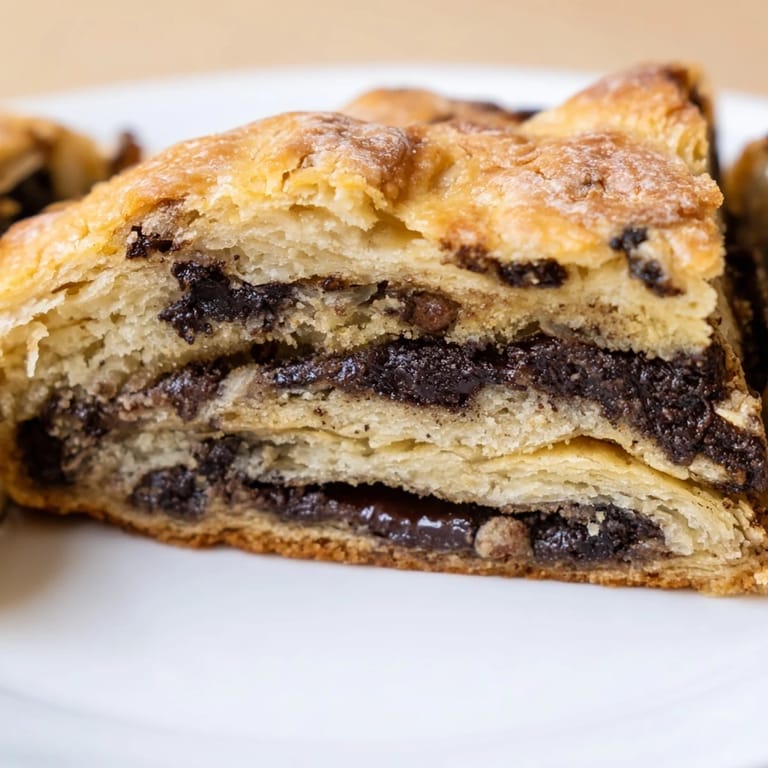 Save to Pinterest
 Crookies are my reminder that the best things in the kitchen happen when you're willing to break the rules and combine two separate ideas into something entirely your own. They're impractical and worth every minute.
Recipe Questions & Answers
- → How do I achieve flaky layers in the dough?
Use cold butter folded into the dough multiple times with chilling periods to create laminated, flaky layers.
- → Can I add nuts to this treat?
Yes, chopped nuts can be mixed into the cookie dough for added crunch and flavor complexity.
- → What is the best way to chill the dough?
Chill the dough in the refrigerator as instructed, covering it to prevent drying, allowing proper lamination.
- → How should I store leftovers?
Store in an airtight container at room temperature for up to 2 days or gently reheat for fresh texture.
- → Can different chocolates be used?
Absolutely, swapping dark chocolate chips for milk or white chocolate offers varied sweetness and texture.