 Save to Pinterest
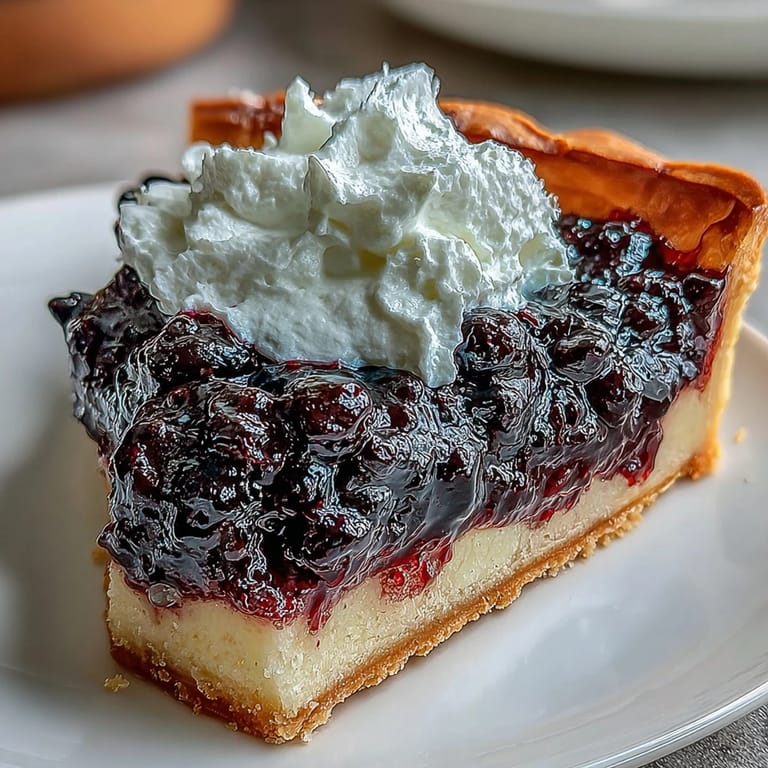
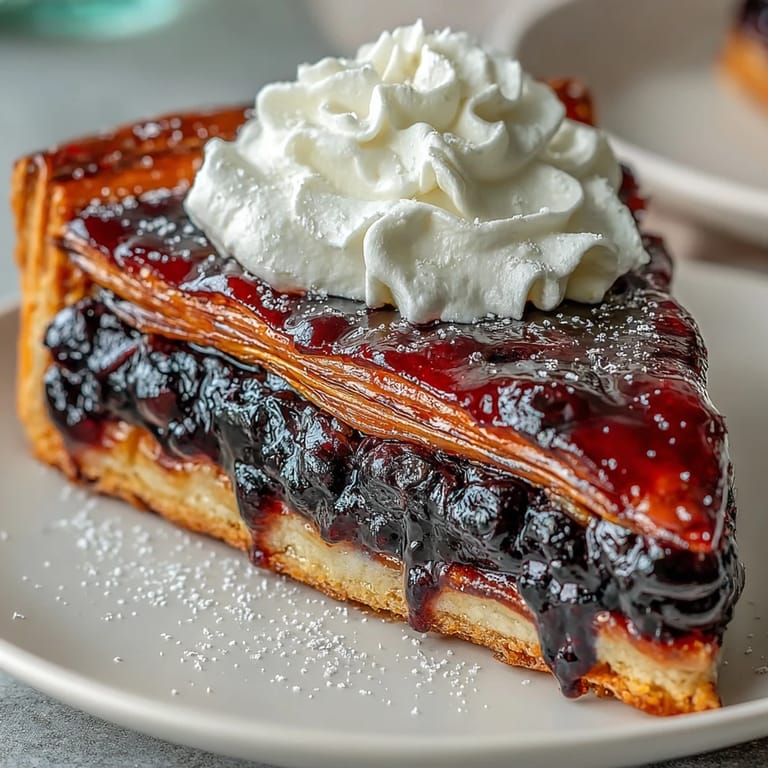
 Black currant tarts arrived in my life during a rain-soaked afternoon at a small patisserie in Lyon, where I watched a baker brush an impossibly thin layer of deep purple curd into a golden shell. Years later, I realized that tangy, jewel-toned filling wasn't intimidating at all—just berries, eggs, and butter transformed through patience. This version brings that exact magic home, and it's become the dessert I make when I want to impress without the stress.
I made this for a dinner party where someone accidentally told everyone I'd catered it, and I didn't correct them until dessert arrived—the look on their faces when they realized I'd made the tart myself was worth more than any compliment. My partner still reminds me of that moment whenever I'm hesitant about tackling a new technique.
Ingredients
- All-purpose flour (1 1/4 cups): The foundation of a flaky pastry shell; keeping it cool and handling it minimally is your secret to that crisp, buttery texture.
- Unsalted butter, cold and diced (1/2 cup): Cold butter creates those precious pockets of steam that make the pastry shatter when you bite into it—never skip the chilling step.
- Powdered sugar (1/4 cup for pastry): Adds subtle sweetness and a tender crumb; this small amount makes the difference between tough and delicate.
- Salt (1/4 tsp): Awakens the butter flavor and balances the sweetness, so don't leave it out.
- Egg yolk (1 large): Binds everything together while keeping the dough tender and helping it turn golden brown.
- Ice water (2–3 tbsp): The amount varies depending on humidity and how cold your butter is; add it slowly and stop as soon as the dough holds together.
- Fresh or frozen black currants (1 1/2 cups): These berries are tart and floral—frozen work beautifully if fresh are hard to find, and there's no need to thaw them.
- Granulated sugar (1/2 cup): Sweetens the curd while balancing the berry's natural tartness; taste as you go if you prefer a tangier filling.
- Eggs and egg yolks (2 large eggs, 2 large yolks): The backbone of a silky curd; the combination of whole eggs and yolks ensures the right texture.
- Lemon juice and zest (2 tbsp juice, zest of 1 lemon): Brightens the black currant flavor and adds complexity without overpowering the berries.
- Unsalted butter for curd (4 tbsp): Whisked in at the end, this adds richness and silkiness; resist rushing this step or the curd may break.
- Heavy cream, cold (1 cup): Whips into clouds if it's properly chilled; warming it even slightly makes the whole process frustrating.
- Powdered sugar for topping (2 tbsp): Sweetens the cream just enough without making it gritty.
- Vanilla extract (1/2 tsp): A whisper of flavor that complements the tartness of the berries.
Tired of Takeout? 🥡
Get 10 meals you can make faster than delivery arrives. Seriously.
One email. No spam. Unsubscribe anytime.
Instructions
- Whisk and combine the pastry ingredients:
- Mix your flour, powdered sugar, and salt together in a bowl, then cut in the cold diced butter using a pastry cutter or two knives until the mixture looks like coarse sand with some pea-sized butter pieces still visible. This texture is what gives you that shattered, crispy crust.
- Bring the dough together gently:
- Add the egg yolk and 2 tablespoons of ice water, stirring with a fork until the dough just comes together—you want to stop mixing the moment you can form a shaggy ball. If it's still too dry, add more ice water one teaspoon at a time, but resist over-mixing, which toughens the pastry.
- Chill and rest the dough:
- Shape the pastry into a disk, wrap it in plastic, and refrigerate for 30 minutes while you heat the oven and gather the rest of your ingredients.
- Roll and line the tart pan:
- On a lightly floured surface, roll out the chilled dough to about 1/8-inch thickness, then carefully transfer it to your 9-inch tart pan, pressing it gently into the bottom and sides. Trim the excess at the edges and prick the base all over with a fork to prevent it from puffing up.
- Blind bake the shell:
- Line the pastry with parchment paper and fill with pie weights or dried beans, then bake at 350°F for 15 minutes until the sides are set but the bottom isn't fully cooked. Remove the weights and parchment, then bake for another 8 to 10 minutes until the entire shell is pale golden and crisp.
- Cook the black currants with sugar and lemon:
- Combine the berries, sugar, lemon juice, and zest in a small saucepan and cook over medium heat for about 5 minutes, stirring occasionally, until the berries burst and release their juice. The kitchen will fill with the most gorgeous fruity aroma.
- Puree and strain the berry mixture:
- Pour the cooked berries into a fine mesh sieve over a bowl and push them through with the back of a spoon to remove the skins and seeds, leaving you with a smooth, deep purple puree. This step takes a minute but transforms the texture of your curd.
- Temper the eggs with the warm puree:
- Whisk together the whole eggs and yolks in a separate bowl, then slowly pour in the warm currant puree while whisking constantly to prevent the eggs from scrambling. The color will deepen to an almost black-purple as you blend them.
- Cook the curd to silky thickness:
- Return everything to the saucepan and cook over low heat, stirring constantly with a whisk or wooden spoon, for about 10 minutes until the mixture thickens enough to coat the back of a spoon. You'll feel the moment it shifts from liquid to velvety sauce.
- Finish with butter and cool:
- Remove from heat and whisk in the butter pieces one at a time until they melt and the curd turns smooth and glossy. Let it cool slightly before pouring into the cooled pastry shell.
- Chill the finished tart:
- Pour the curd into the shell and refrigerate for at least 1 hour until the curd is set and cold to the touch. This can be done up to 1 day ahead.
- Whip the cream topping:
- Just before serving, pour the cold heavy cream into a chilled bowl, add the powdered sugar and vanilla extract, and whip with an electric mixer or by hand until the cream forms soft peaks. Don't over-whip or you'll end up with butter.
 Save to Pinterest
 The first time this tart came together perfectly was on a quiet morning when my daughter appeared in the kitchen asking why everything smelled like fancy candy—I let her taste a spoonful of the curd straight from the pot, and her eyes went wide. She's asked for that same tart at every birthday since, which is the highest compliment a home baker can get.
The Secret to a Flaky Pastry Shell
I learned years ago that the key to a pastry that shatters when you bite into it isn't fancy technique—it's keeping your butter cold, your hands quick, and your water ice-cold. When I rushed through a tart one winter evening using room-temperature ingredients, the pastry came out dense and heavy, and I've never made that mistake again. The contrast between the crisp, buttery shell and the silky curd on top is what makes this dessert sing, so don't underestimate this foundation.
Working with Black Currants
Black currants can be tricky to find in some places, but they've become my go-to because they're so much more interesting than the usual fruit fillings—they have this floral, slightly wild flavor that surprises people. If you truly can't find them, frozen blackberries or raspberries work beautifully, though the tartness will shift slightly, so adjust the sugar to your preference. I've also experimented with adding a tiny pinch of cardamom or rose water to complement the berry flavor, which feels unexpectedly elegant.
Making It Your Own
One of my favorite variations came about when I realized I had ground almonds sitting in my pantry—I stirred 1/4 cup into the pastry flour and suddenly had this nutty, rich undertone that paired perfectly with the tartness of the curd. The tart is also stunning with a drizzle of dark chocolate across the top instead of whipped cream, or with a tablespoon of cassis liqueur stirred into the curd for a grown-up version. Since this dessert holds up well in the refrigerator, it's perfect for dinner parties where you need one less thing to worry about on the day.
- For a deeper flavor, toast the pastry shell an extra 2 minutes at the end of blind baking for a more caramelized taste.
- Make the curd up to 2 days ahead and store it covered in the refrigerator—it actually tastes better as the flavors meld.
- The whipped cream should be added just before serving so it stays light and cloud-like on the plate.
 Save to Pinterest
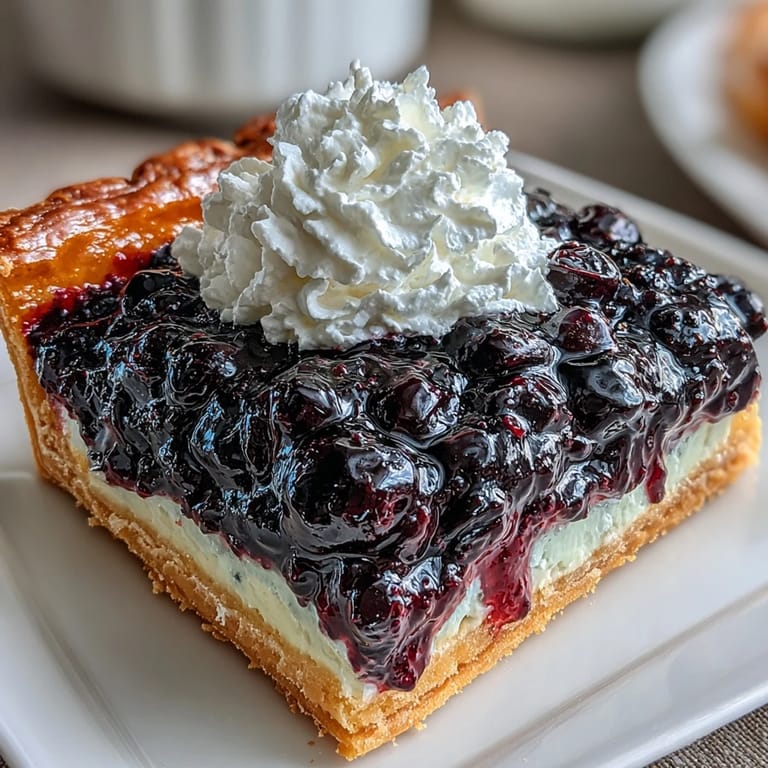
 This black currant tart has become the dessert I make when I want to feel like a real baker, and somehow, every time it turns out better than I expect. There's something about that moment when you unmold it and see the jewel-toned filling gleaming under the whipped cream that makes all the small steps feel absolutely worth it.