 Save to Pinterest
 My first encounter with Turkish yogurt pasta was completely accidental—I'd overcooked a batch of penne while distracted by a friend's story, and rather than start over, I grabbed whatever was in my kitchen to salvage dinner. A dollop of yogurt, some minced garlic, a sizzle of butter and paprika, and suddenly this tangy, creamy, wildly aromatic dish emerged from what could have been a disaster. Now I make it on purpose, especially when I want something that feels both humble and special.
There's something about watching someone's face light up when they taste this for the first time that never gets old. My neighbor brought over a bottle of wine one evening, expecting leftovers, and I threw this together instead—the way the spiced butter pooled into those yogurt-coated noodles made her ask for the recipe before she'd even finished her bowl. That's when I knew this wasn't just a weeknight fix anymore.
Ingredients
- Dried pasta (400 g fusilli or penne): The shape matters more than you'd think—tubes and spirals trap the yogurt sauce beautifully, while flat noodles just let it slide off.
- Plain full-fat yogurt (400 g): Turkish or Greek yogurt is essential here; the fat content makes it rich and the tang is crucial—thin, watery yogurt will never give you that creamy coating you're after.
- Garlic (2 cloves, minced): Don't skip this or use garlic powder; raw, freshly minced garlic is what gives the sauce its bite and personality.
- Unsalted butter (60 g) and olive oil (1 tablespoon): The combination creates a silky infused oil that carries all the spice flavor—butter alone would separate and puddle.
- Sweet paprika (1 1/2 teaspoons): This is your signature spice; it should smell sweet and slightly smoky when it hits the warm butter.
- Aleppo pepper or red pepper flakes (1/2 teaspoon): Aleppo pepper has a gentle warmth and fruity note that red flakes can't quite match, but either works if that's what you have.
- Dried mint (1/4 teaspoon, optional): A whisper of mint brings an unexpected freshness that keeps the dish from feeling too heavy.
- Fresh dill or parsley (2 tablespoons): The garnish is your final flourish—it adds color and a brightness that cuts through all that richness.
Tired of Takeout? 🥡
Get 10 meals you can make faster than delivery arrives. Seriously.
One email. No spam. Unsubscribe anytime.
Instructions
- Boil the pasta water with purpose:
- Fill your pot generously—the pasta needs room to move and dance. Once it's at a rolling boil, that's when you add enough salt to make the water taste like the sea. This is your only chance to season the pasta itself.
- Cook the pasta until it's just barely tender:
- Al dente is non-negotiable here because the warm pasta will continue to soften as it mingles with the yogurt sauce. Drain it into a colander, but keep back those two tablespoons of starchy water—that liquid gold is what transforms yogurt into a silky coating.
- Whisk the yogurt sauce until it's smooth and pourable:
- In a medium bowl, combine the yogurt, minced garlic, and salt. If your yogurt is thick enough to stand a spoon in, loosen it with splashes of that reserved pasta water until it flows like cream. This is where texture is born.
- Coax the butter and oil into fragrant submission:
- Over medium heat, let the butter melt into the olive oil, then add your paprika, Aleppo pepper, and mint if you're using it. Watch it foam and listen for the gentle sizzle—that moment when the color deepens and the kitchen fills with spice-scented steam is your signal that it's ready. Don't walk away; this takes about a minute.
- Marry the pasta and sauce with a gentle hand:
- Pour the warm pasta into the yogurt sauce and toss until every strand is coated in that creamy, tangy embrace. The warmth of the pasta will make the yogurt flow like silk.
- Finish with butter and a flourish:
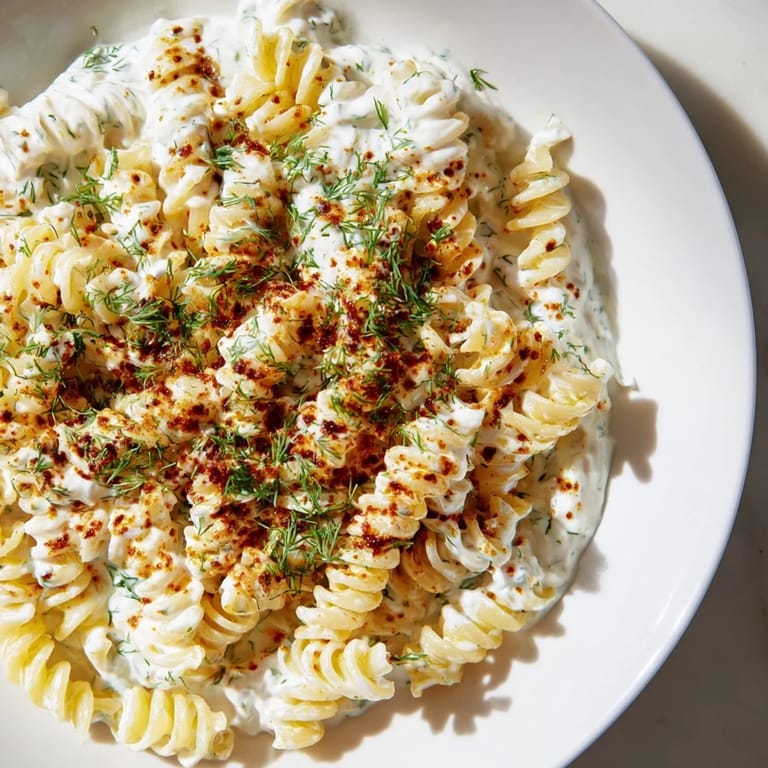
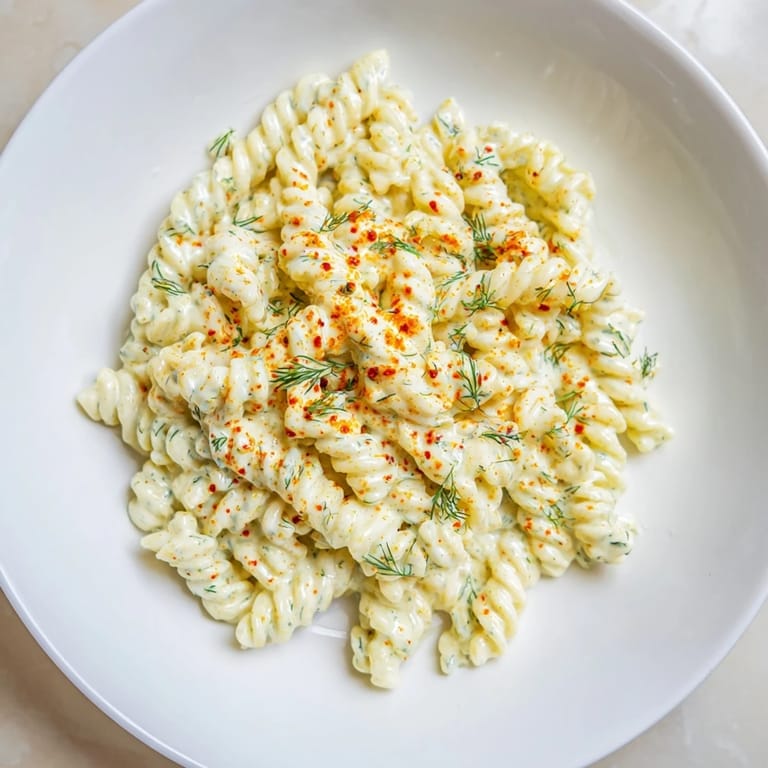
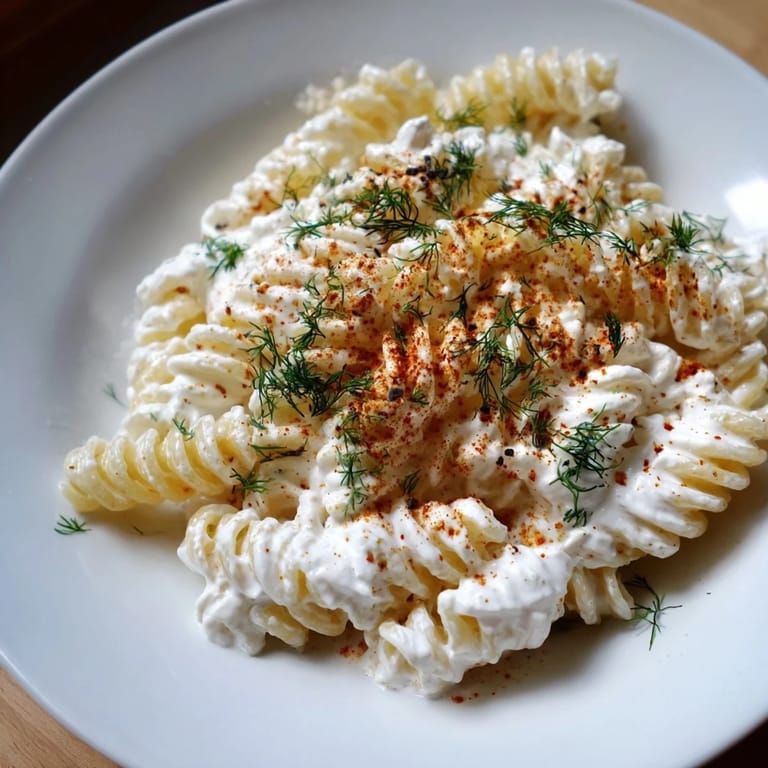
- Divide the coated pasta into bowls and drizzle each one generously with that spiced butter. The heat will keep it liquid enough to pool slightly in the center, creating pockets of pure flavor. Top with fresh herbs if you have them, and serve immediately while everything is still warm.
 Save to Pinterest
 I remember sitting at a crowded table in Istanbul, watching an elderly woman grate cheese over a bowl of this exact dish, and realizing that some foods transcend recipe instructions and become a language of comfort. Every time I make it now, I feel that same quiet warmth.
The Spice Butter Magic
The spiced butter is what transforms this from simple pasta to something memorable. While your pasta cooks, this quiet alchemy happens in a small saucepan—paprika and pepper blooming into fragrant oil, their colors deepening and their warmth becoming almost alive. It's not just a topping; it's the punctuation mark that makes the whole dish sing. That first taste, when the warm, tangy yogurt meets the spiced heat of the butter, is why this dish works.
Building Flavor Layers
Turkish cooking often works in this layered way—cool against warm, tangy against rich, smooth against textured. Here, the raw garlic in the yogurt gives a sharp, clean bite, while the cooked paprika and pepper in the butter provide a roasted, mellow warmth. Your fresh herb garnish adds one more note, a brightness that keeps the dish from becoming heavy or one-dimensional. Each element has its moment, and together they create something far more interesting than any single flavor could be alone.
Variations and Additions
Once you understand how this dish works, you can play with it endlessly. Some nights I'll stir in a handful of crispy breadcrumbs for texture, other times a handful of toasted pine nuts. A crumble of creamy feta cheese just before drizzling the butter is never wrong. The base stays the same—pasta, yogurt, spiced butter—but the possibilities are genuinely endless, limited only by what's sitting in your pantry and what your mood demands.
- Toast pine nuts or breadcrumbs in the same saucepan before adding the butter for an extra dimension of texture and flavor.
- Crisp up some minced garlic separately and scatter it over the top for people who love the sharp bite even more than this already has.
- Serve alongside a simple salad of cucumber, tomato, and red onion tossed with olive oil and lemon—the coolness and acidity are the perfect counterpoint to the warm, creamy pasta.
 Save to Pinterest
 This dish has become my answer to the question, 'What can I make in 25 minutes that feels special?' It's the kind of food that reminds you that the best meals don't require hours or complicated techniques—just good ingredients, a moment of attention, and the willingness to taste as you go.
Recipe Questions & Answers
- → What type of pasta works best?
Fusilli or penne are preferred to hold the creamy yogurt sauce well, but any short pasta can work.
- → How do I prevent the yogurt from curdling?
Mix the yogurt with some reserved pasta water to smooth it out before tossing with warm pasta; avoid high heat when combining.
- → Can I substitute the Aleppo pepper?
Mild chili flakes make a good alternative, giving a similar gentle heat and aroma.
- → Is fresh herb garnish necessary?
Fresh dill or parsley adds brightness but can be omitted if unavailable; the spiced butter provides plenty of flavor.
- → What makes the spiced butter unique?
Butter is infused with olive oil, paprika, Aleppo pepper, and optionally dried mint, creating a fragrant, warm finish.