 Save to Pinterest
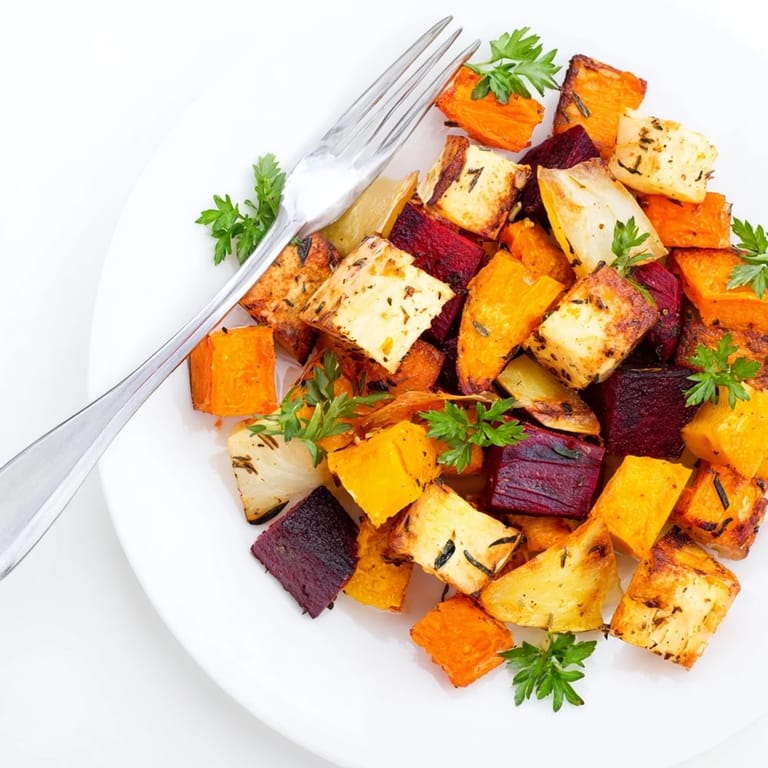
 There was this rainy Tuesday last November when my CSA box arrived overflowing with the most beautiful rainbow of root vegetables, and I stood there in my kitchen realizing I'd been completely underrating what these humble vegetables could become. The sweet potatoes were tucked next to ruby red beets, and I just started peeling and chopping while the oven preheated, not really following any recipe at all. When those vegetables emerged forty minutes later, something magical had happened in the heat, and the natural sugars had turned everything into these gorgeous caramelized gems that tasted nothing like the boiled vegetables of my childhood.
I served this medley at my first proper dinner party in my new apartment, nervous about everything else on the menu but completely confident about these vegetables. My friend Sarah actually asked for the recipe before she'd even finished her first serving, and now it's become the dish I automatically make whenever someone says they don't like vegetables.
Ingredients
- 2 medium carrots: These bring natural sweetness and hold their shape beautifully through roasting
- 2 medium parsnips: Slightly earthy and creamy when cooked, they balance the sweeter vegetables
- 1 medium sweet potato: The foundation that adds creamy texture and vibrant color
- 1 medium red beet: Creates that gorgeous jewel tone and brings an earthy sweetness
- 1 small rutabaga or turnip: Adds subtle peppery notes and prevents the dish from becoming too sweet
- 3 tbsp olive oil: Essential for proper caramelization and carrying those herb flavors
- 1 ½ tsp kosher salt: Helps draw out moisture and concentrate flavors
- ½ tsp freshly ground black pepper: Just enough warmth to highlight the natural sweetness
- 1 tsp dried thyme or 1 tbsp fresh: Brings an earthy, floral note that bridges all the vegetables
- 1 tsp dried rosemary or 1 tbsp fresh: Piney aroma that pairs beautifully with roasted roots
- 3 cloves garlic, optional: If you love garlic, mince it and toss it in for extra depth
- 2 tbsp fresh parsley, for garnish: Fresh brightness to finish the dish
Tired of Takeout? 🥡
Get 10 meals you can make faster than delivery arrives. Seriously.
One email. No spam. Unsubscribe anytime.
Instructions
- Get your oven ready:
- Preheat to 425°F and line a large baking sheet with parchment paper for easy cleanup
- Prep your vegetables:
- Peel everything and cut into uniform 1 inch pieces so they roast evenly
- Toss everything together:
- In a large bowl, combine all vegetables with olive oil, salt, pepper, thyme, rosemary and garlic if using
- Arrange for roasting:
- Spread vegetables in a single layer on your prepared baking sheet, giving them room to caramelize
- Roast to perfection:
- Cook for 35 to 40 minutes, stirring once halfway through until golden and fork tender
- Finish and serve:
- Transfer to a serving dish and garnish with fresh parsley while still warm
 Save to Pinterest
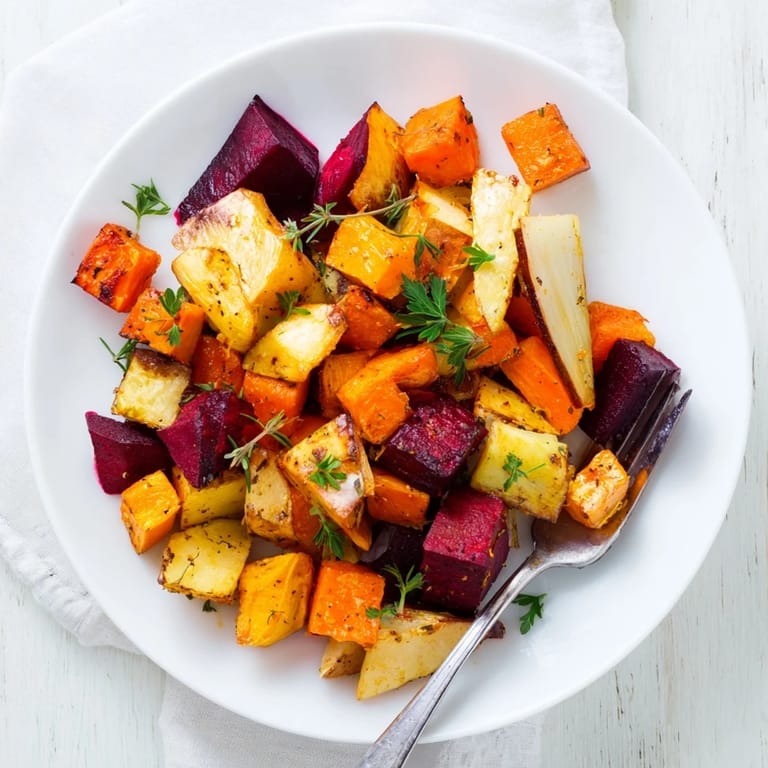
 My grandmother used to tell me that root vegetables were peasant food, meant to fill bellies during hard times. But I think she'd change her mind if she could taste this version, where each vegetable retains its distinct personality while contributing to something greater than the sum of its parts.
Make It Your Own
I've learned that the beauty of this recipe lies in its flexibility, adapting to whatever root vegetables look best at the market or arrive in your CSA box. Sometimes I swap in celeriac for its subtle celery flavor, or add chunks of butternut squash when I want extra sweetness on a gray winter day.
The Secret To Perfect Caramelization
After years of making this dish, I discovered that giving vegetables space on the baking sheet is the difference between okay and incredible. When the hot oven air can circulate freely around each piece, that magical browning reaction creates depth of flavor you just can't get any other way.
Serving Suggestions
This medley has become my go-to for everything from holiday side dishes to simple weeknight dinners. I've served it alongside roasted chicken, tucked it into grain bowls, and even eaten it straight from the pan while standing at the counter.
- Try a splash of balsamic vinegar during the last 10 minutes for tangy complexity
- Top with crumbled goat cheese or feta for a creamy contrast
- Reheat leftovers in a skillet to restore those crispy edges
 Save to Pinterest
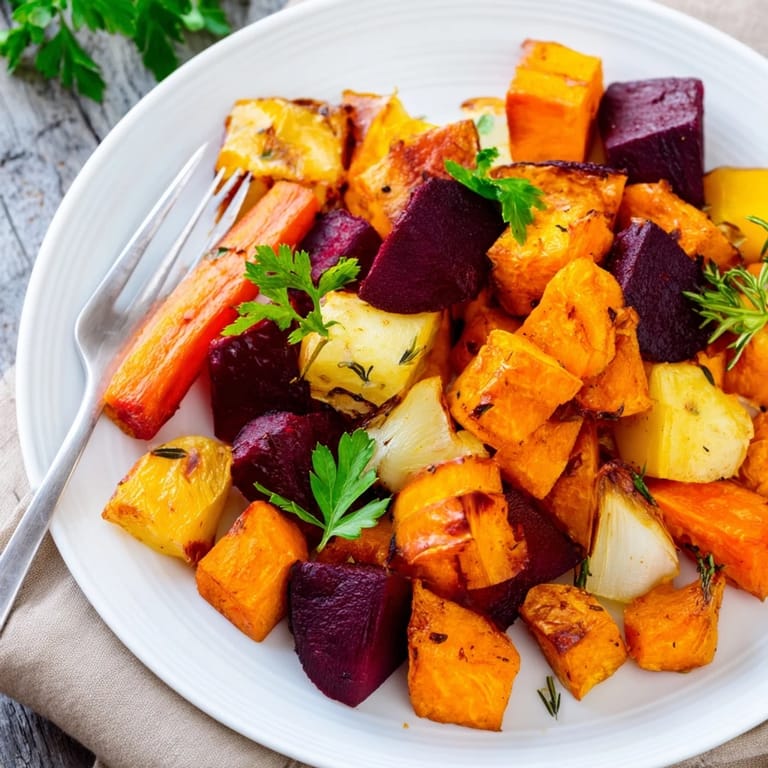
 There's something deeply satisfying about transforming these earthy, humble vegetables into a dish that feels celebratory and special. I hope this recipe finds its way into your regular rotation, just as it has in mine.
Recipe Questions & Answers
- → What root vegetables work best for roasting?
Carrots, parsnips, sweet potatoes, beets, and rutabaga all roast beautifully. Their dense flesh holds up well to high heat while developing caramelized edges and tender interiors. Potatoes, celeriac, and sunchokes make excellent additions or substitutions.
- → How do I achieve the best caramelization?
Preheat your oven to 425°F and spread vegetables in a single layer without overcrowding the pan. This allows hot air to circulate properly, ensuring edges brown and develop sweetness while the insides cook through evenly.
- → Can I prepare this ahead of time?
Peel and cut vegetables up to one day in advance, storing them in water to prevent oxidation. Drain and pat thoroughly before tossing with oil and seasonings. Roasted vegetables reheat well at 350°F for 10-15 minutes.
- → What herbs complement roasted vegetables?
Thyme and rosemary provide classic earthy notes that pair naturally with root vegetables. Fresh sage, oregano, or marjoram work well too. Add tender herbs like parsley or chives after roasting for bright color and fresh flavor.
- → Should I cover the vegetables while roasting?
Roasting uncovered allows moisture to evaporate, concentrating flavors and creating crispy, caramelized exteriors. Covering would steam the vegetables instead, resulting in softer texture and less depth of flavor.