 Save to Pinterest
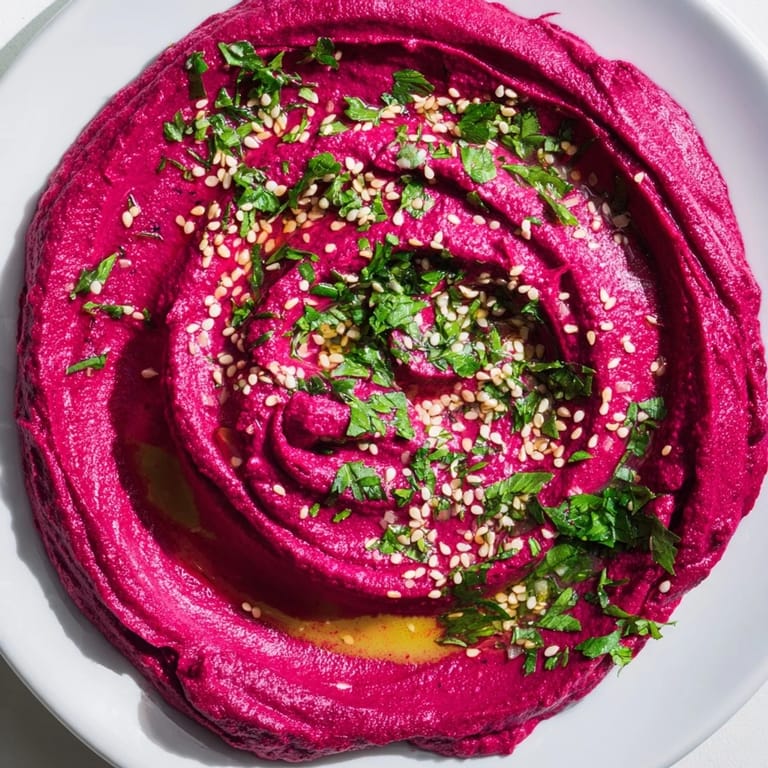
 The first time I brought this magenta dip to a dinner party, my friend thought I'd made dessert. That shocking pink color stops people every time, and I love watching their faces when they take that first bite and realize it's something earthy and savory instead. I started making beet hummus on a whim during a farmer's market glut season, when I had more beets than I knew what to do with. Now it's become my go-to for moments when I want food that feels as festive as it tastes.
I remember serving this at a summer picnic where someone accidentally spilled some on a white linen napkin. Instead of panic, we all just laughed at the vibrant explosion of color, and honestly, that moment encapsulates everything I love about this recipe. It's unpretentious, it's messy in the most beautiful way, and it brings people together over something that looks as good as it tastes. My niece now requests it for every family gathering, calling it princess dip.
Ingredients
- 1 medium beet: Roasting concentrates the natural sugars and gives that velvety texture that boiled beets can never achieve
- 1 small garlic clove: Raw garlic can overpower, so let it roast alongside the beet for milder sweetness
- 400 g chickpeas: Drain and rinse thoroughly, and I've found that removing the skins makes an ultra-smooth difference if you have the patience
- 3 tbsp tahini: The tahini you choose matters dramatically—look for one that's well-stirred and not bitter
- 2 tbsp fresh lemon juice: Fresh is absolutely non-negotiable here, as bottled lemon juice lacks the bright acid needed to cut through the earthiness
- 2 tbsp extra-virgin olive oil: Use your best oil here since the flavor really shines through
- ½ tsp ground cumin: This bridges the gap between the beet's sweetness and the savory elements
- ¼ tsp sea salt: Start conservatively and adjust at the end—salt brings all the flavors forward
- 2–3 tbsp cold water: The secret to airiness, added gradually while the motor runs
Tired of Takeout? 🥡
Get 10 meals you can make faster than delivery arrives. Seriously.
One email. No spam. Unsubscribe anytime.
Instructions
- Roast the beet to perfection:
- Preheat your oven to 200°C (400°F) and wrap that scrubbed beet tightly in foil, letting it roast on a baking sheet for 40–45 minutes until a fork slides through effortlessly. Let it cool enough to handle, then peel away the skin and chop it roughly—the beet should be tender enough that it almost falls apart.
- Blend the base:
- Combine your roasted beet, chickpeas, garlic, tahini, lemon juice, olive oil, cumin, and salt in a food processor. Blend until smooth, pausing to scrape down the sides and give everything a chance to come together evenly.
- Achieve perfect consistency:
- With the motor running, drizzle in cold water one tablespoon at a time until the hummus turns light and creamy. You'll feel the mixture transform from dense to wonderfully smooth and airy.
- Make it your own:
- Taste the hummus and adjust with more salt or lemon juice until it sings. Sometimes it needs an extra squeeze of lemon to really pop.
- Finish with flair:
- Transfer to your serving bowl and drizzle generously with olive oil. A sprinkle of chopped parsley, sesame seeds, or extra cumin makes it feel special.
 Save to Pinterest
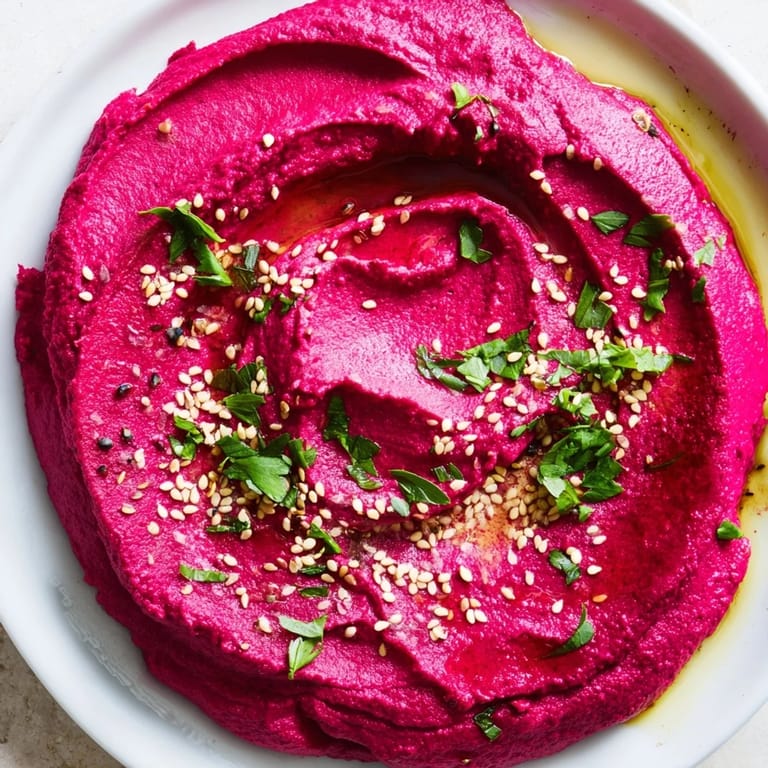
 This recipe became a staple in my house during a particularly gray winter when I was desperate for something vibrant on the table. Something about that shocking pink color against a dreary February day felt like an act of resistance. Friends started asking me to bring it to every gathering, and I realized that sometimes the most comforting food is also the most beautiful.
Make It Your Way
The beauty of this hummus is how forgiving it is. I've added roasted red peppers for extra depth, tossed in fresh herbs like cilantro or dill, and even swirled in a spoonful of Greek yogurt for extra creaminess. Each variation teaches you something new about how flavors play together.
Serving Suggestions That Work
Beyond the usual pita and vegetables, try spreading this on sandwiches instead of mayonnaise or swirling it into grain bowls. I've even used it as a base for a Buddha bowl, topping it with roasted vegetables and a soft boiled egg. The possibilities are endless.
Storage and Make-Ahead Tips
This hummus actually tastes better the next day as the flavors meld together. Store it in an airtight container in the refrigerator for up to 4 days, but bring it to room temperature before serving—the texture and flavor really bloom when it's not fridge-cold.
- Always give it a good stir and add a splash more olive oil or lemon juice after refrigeration
- The color may deepen slightly over time but that's completely natural
- Freeze individual portions in ice cube trays for quick future use
 Save to Pinterest
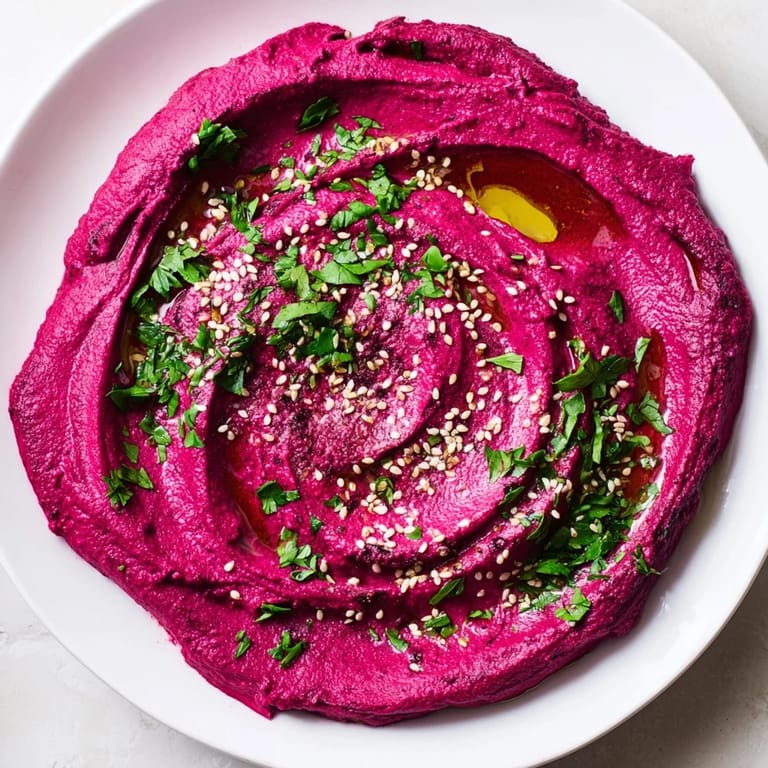
 Every time I make this, I'm reminded that the simplest transformations—roasting a beet, blending a few ingredients—can create something that feels like magic. That's what cooking should always be about.
Recipe Questions & Answers
- → What does roasted beet hummus taste like?
The roasted beets add natural sweetness and earthiness, while tahini provides creaminess and nutty flavor. Lemon adds brightness, and garlic gives it a savory kick.
- → How long does roasted beet hummus keep?
Store in an airtight container in the refrigerator for up to 4 days. The flavors may actually improve after a day or two.
- → Can I make roasted beet hummus without a food processor?
A high-powered blender works well too. Just be patient with blending, stopping frequently to scrape down the sides and adding water gradually.
- → What can I serve with roasted beet hummus?
Try warm pita bread, pita chips, carrot sticks, cucumber slices, bell pepper strips, or spread it on sandwiches and wraps for added color and flavor.
- → Is roasted beet hummus healthy?
Yes! Beets are rich in antioxidants and fiber, chickpeas provide plant-based protein, and tahini offers healthy fats. One serving is about 150 calories.
- → Can I use canned beets instead of fresh?
Fresh roasted beets provide the best flavor and texture, but you can use canned beets in a pinch. Drain them well and skip the roasting step.