 Save to Pinterest
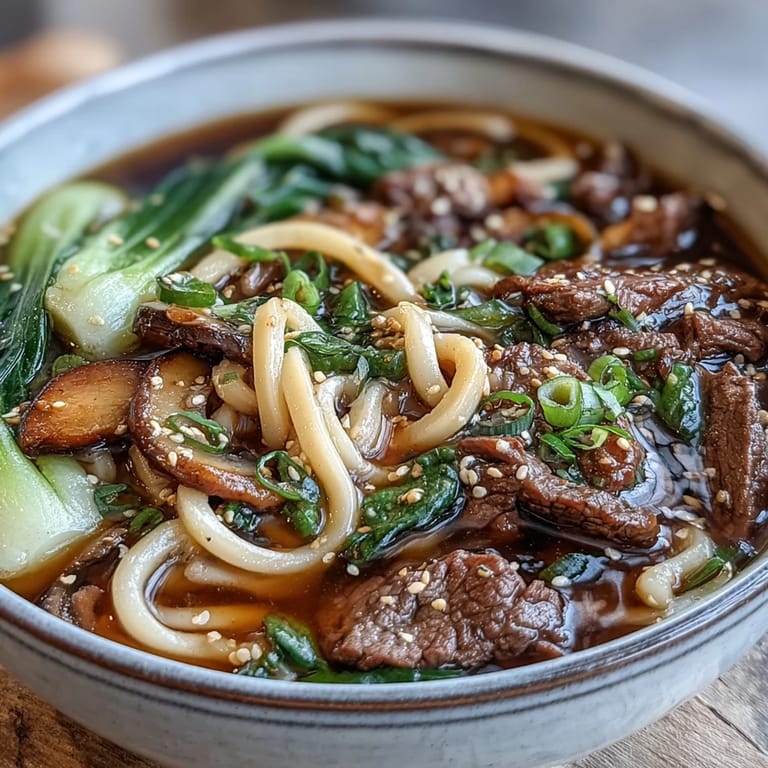
 The first time I hosted a dinner where everyone cooked their own meal at the table, I watched my friend's face light up as she fished a perfectly cooked shrimp from her personal broth. That moment—when food became less about what I'd prepared and more about the joy of hands-on creation—taught me that hot pot isn't just a dish, it's an experience. Mini hot pot bowls bring that magic to intimate dinners, giving each guest their own little universe of flavors to explore. There's something wonderfully human about passing platters around a table, letting people build exactly what they crave.
I remember making this for my partner on a rainy Tuesday when we both needed something comforting but different. We sat at the kitchen counter with our little bowls simmering away, and he kept saying things like, "Wait, I can add more noodles?" as if he'd discovered a secret. By the end, we were laughing about how he'd created this wild concoction with three proteins and barely any vegetables, while I'd gone the opposite direction. That's when I realized hot pot isn't just about eating together—it's about the quiet joy of watching someone enjoy exactly what they want.
Ingredients
- Low-sodium chicken or vegetable broth, 6 cups: This is your foundation, so use broth you'd actually drink on its own—it'll shine through every spoonful.
- Soy sauce, 2 tablespoons: The umami backbone that makes the broth taste rich and intentional, not bland.
- Miso paste, 1 tablespoon: This adds depth and a subtle sweetness that surprised me the first time I used it in broth; it's worth the small effort to dissolve it smoothly.
- Fresh garlic and ginger, sliced: Slicing instead of mincing lets them infuse without overwhelming the broth, and you can fish them out if they get too intense.
- Sesame oil, 1 teaspoon: Just a drizzle, but it rounds out the whole broth with warmth and nuttiness that elevates everything.
- Thinly sliced beef sirloin, 150 g: Ask your butcher to slice it thin—the thinner it is, the faster it cooks, and that's the whole point of hot pot magic.
- Boneless chicken breast, 150 g, thinly sliced: Slice against the grain so each piece is tender, not chewy.
- Firm tofu, 150 g, cubed: Firm tofu holds its shape in simmering broth better than silken, and the cubes soak up flavor beautifully.
- Large shrimp, 8 pieces, peeled and deveined: Buying them pre-prepped saves time, and they cook so fast you only have a minute or two to get them perfect.
- Udon or rice noodles, 200 g, cooked and drained: Cook these ahead and drain them well, or they'll turn mushy in the hot broth.
- Baby bok choy, 1 cup, halved: The leafy tops cook in seconds, so add them last if you like a bit of texture.
- Shiitake mushrooms, 1 cup, sliced: These add an earthy richness that meat-eaters and vegetarians both appreciate.
- Napa cabbage, 1 cup, chopped: It wilts quickly and adds a subtle sweetness that balances the savory broth.
- Sliced carrots, 1/2 cup: A touch of natural sweetness and a hint of crunch if you don't leave them in too long.
- Corn kernels, 1/2 cup: Fresh or frozen works, and they add a pop of color and sweetness that feels celebratory.
- Scallions, 2, sliced: Save these for the very end to keep their fresh bite.
- Soy sauce, chili oil, fresh cilantro, lime wedges, toasted sesame seeds: These are your flavor insurance—let guests mix and match to suit their mood.
Tired of Takeout? 🥡
Get 10 meals you can make faster than delivery arrives. Seriously.
One email. No spam. Unsubscribe anytime.
Instructions
- Build your flavor base:
- In a large pot, combine broth, soy sauce, miso paste, garlic, and ginger over medium heat. Let it simmer gently for 10 minutes—you'll smell the aromatics unfold, and that's when you know the broth is ready to shine. Strain out the solids if you prefer a clear broth, though I often leave them in because they taste like concentrated comfort.
- Prep your bowls and noodles:
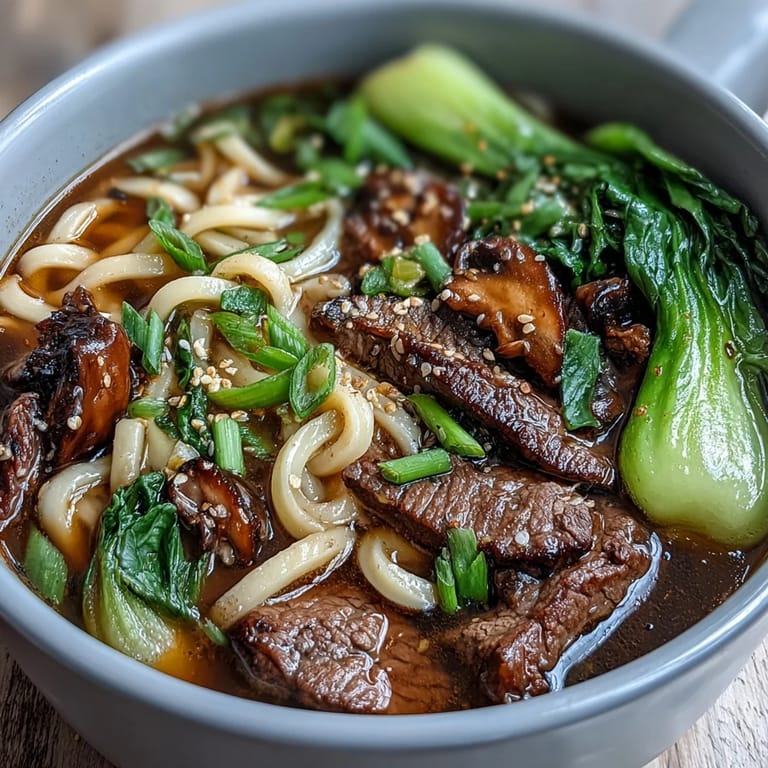
- Divide the cooked noodles evenly among four heatproof bowls, then arrange all your proteins and vegetables on separate platters or small plates. This takes maybe five minutes and makes the whole experience feel curated rather than chaotic.
- Arrange everything at the table:
- Bring the dipping sauces, garnishes, and all your ingredient platters to the table along with the bowls. Set up a portable burner in front of each guest's seat so everyone has their own heat source.
- Pour and settle:
- Carefully pour the hot broth over the noodles in each bowl until it's about two-thirds full—you want room for guests to add their choices without overflow. The broth will keep things warm and ready for cooking.
- Let guests cook to their liking:
- As people add their chosen proteins and vegetables, they'll quickly cook in the simmering broth—beef and shrimp need just 1 to 2 minutes, chicken takes 2 to 4 minutes, and vegetables cook at their own pace. Encourage people to watch their food cook and pull it out when it looks done to them; this is the fun part.
- Finish with personality:
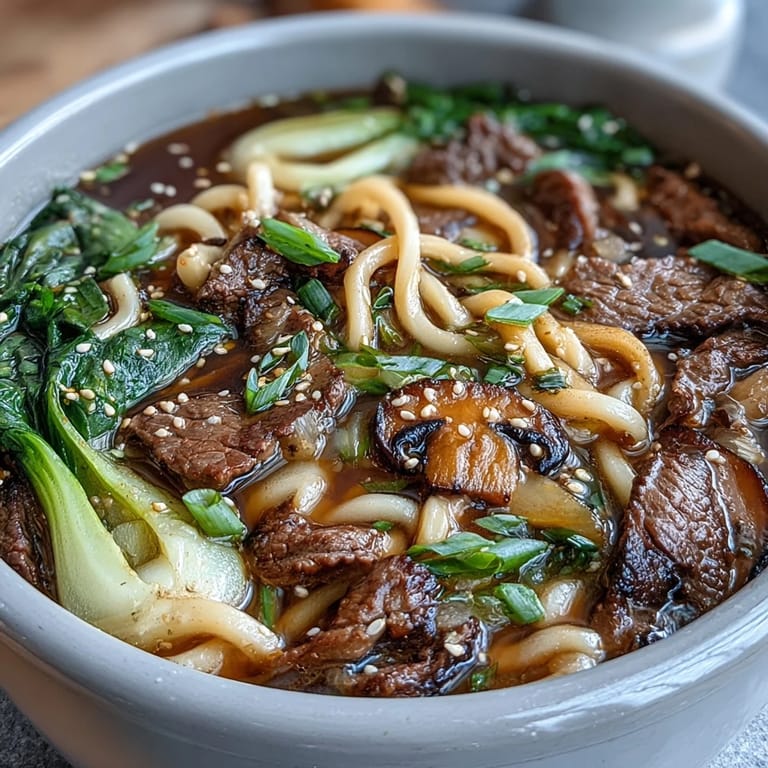
- Once everything is cooked, let each guest customize their bowl with dipping sauces, a squeeze of lime, fresh cilantro, and sesame seeds. This is where the meal becomes uniquely theirs.
 Save to Pinterest
 There was a moment during one dinner when my grandmother tried hot pot for the first time, and she spent twenty minutes just fishing different things out of her bowl and tasting them side by side. She kept saying, "This is MY soup, and I made it," with this quiet pride that made me realize hot pot is about agency and joy, not just eating. That's when I knew this recipe was worth keeping.
Making the Broth Sing
The broth is the soul of this entire dish, so it deserves attention. I learned the hard way that skipping the 10-minute simmer means the flavors don't fully marry—you end up with tasty ingredients floating in okay broth instead of extraordinary broth that makes everything better. The longer you let it simmer, the more the garlic, ginger, and miso develop depth. Some nights I'll even make the broth an hour ahead and let it rest, which gives the flavors time to settle and intensify. When your guests taste that broth, they should feel the care you took.
Protein and Vegetable Strategy
One of my favorite discoveries was realizing that the order in which guests add things matters more than I'd thought. If someone puts in tofu and carrots at the same time, the tofu stays tender while the carrots soften—that's the dance of hot pot. I started suggesting to guests that they add proteins first, then heartier vegetables, then delicate ones last. It's not a rule, just a gentle guide that helps everyone avoid that moment of pulling out something overcooked. The beauty is that there's no single correct way; everyone's table will develop its own rhythm.
The Art of the Dipping Sauce
I used to think dipping sauces were optional extras, until a friend mixed soy sauce, chili oil, and lime juice into a custom blend and it completely changed how she experienced her bowl. Now I set out all the components separately and let people become sauce architects. The cilantro and sesame seeds aren't just garnishes—they add texture and freshness that cuts through the richness of the broth. One small thing that changed everything: toast your sesame seeds yourself if you can, because the difference between raw and toasted is like the difference between okay and unforgettable.
- Mix soy sauce with chili oil and a squeeze of lime for a balanced, slightly spicy dipping experience.
- Add fresh cilantro and sesame seeds right before eating to keep them bright and crunchy.
- Let each guest build their own sauce—people love having control, and it keeps everyone happy.
 Save to Pinterest
 Hot pot is one of those rare meals that brings people together without feeling like work. Whether it's a quiet night with one other person or a lively table of friends, everyone leaves feeling like they had a hand in creating something special.
Recipe Questions & Answers
- → What proteins suit the hot pot bowls?
Thinly sliced beef, chicken breast, shrimp, and firm tofu work well, cooking quickly in the simmering broth.
- → Can this dish be made vegetarian or gluten-free?
Yes, use vegetable broth and tofu for vegetarian; substitute tamari and rice noodles for gluten-free options.
- → How is the broth flavored?
The broth includes soy sauce, miso paste, garlic, ginger, and sesame oil for a rich and aromatic base.
- → How long do proteins take to cook in the hot pot?
Beef and shrimp cook in 1–2 minutes; chicken takes 2–4 minutes; tofu and vegetables can be cooked to preference.
- → What dipping sauces complement the hot pot bowls?
Soy sauce, chili oil, and ponzu add layers of flavor and enhance the overall taste experience.
- → What equipment is needed for serving?
Individual heatproof bowls or mini hot pots along with portable burners or heating elements are essential.