 Save to Pinterest
 My neighbor handed me a plate of grilled chicken with hummus one summer evening, and I was struck by how simple yet complete it felt—no fussing, just clean flavors that made sense together. I spent the next week reverse-engineering what she'd done, realizing the magic wasn't in any single component but in how the smoky chicken, creamy hummus, and herb-bright tabbouleh played off each other. Now when I make this, I'm chasing that same feeling of effortless wholeness, the kind of meal that tastes like it took hours but comes together in under an hour.
I made this for my sister's book club last spring, and what stuck with me wasn't the compliments but watching people slow down while eating it, setting down their forks between bites like they were actually tasting something. The hummus disappeared first—there's something about warm grilled chicken meeting cold, nutty tahini that just works. That meal taught me that sometimes the best cooking isn't about impressing anyone; it's about giving people permission to actually enjoy what's in front of them.
Ingredients
- Boneless, skinless chicken breasts: Four pieces, roughly the same thickness so they cook evenly—pound them gently if one side looks thicker than the other, though don't make them paper-thin or they'll dry out.
- Olive oil: Use good quality here, something you'd actually taste, because it carries the flavor of your marinade and dressing into everything else.
- Lemon juice: Fresh squeezed makes a real difference; bottled will work in a pinch but tastes more acidic and less rounded.
- Garlic, minced: Let it sit for a few minutes after mincing before adding to your marinade—this mellows the raw bite slightly.
- Ground cumin: This is what makes the chicken taste distinctly Mediterranean rather than generically seasoned; don't skip it.
- Smoked paprika: Regular paprika works, but smoked gives you that grilled flavor even before the chicken hits the grill, which is a small cheat I love.
- Ground coriander: Half a teaspoon sounds tiny, but it adds a subtle warmth that ties everything together without being obvious.
- Dried oregano: The backbone of Mediterranean seasoning; fresh would be beautiful but dried works just as well in a marinade.
- Chickpeas for hummus: A 15-ounce can, drained and rinsed well—the rinsing removes the starchy liquid that makes hummus gluey instead of silky.
- Tahini: Find it in the international or health foods aisle, and stir it before measuring because the oil separates; it's what makes hummus creamy rather than just mashed chickpeas.
- Fine bulgur wheat: This absorbs water beautifully and gives tabbouleh its characteristic texture; use quinoa if you're avoiding gluten.
- Fresh parsley: Buy an extra bunch—you'll use more than you think, and it brightens everything it touches.
- Fresh mint: This is where tabbouleh gets its personality; don't use dried mint, it tastes like soap by comparison.
- Tomatoes and cucumber: Dice them into roughly the same size so each bite has balanced flavors, and do this just before serving so they don't weep into the salad.
- Green onions: The white and light green parts add bite, while the dark green tops provide a garnish that looks intentional without extra effort.
Tired of Takeout? 🥡
Get 10 meals you can make faster than delivery arrives. Seriously.
One email. No spam. Unsubscribe anytime.
Instructions
- Whisking together the marinade:
- In a shallow bowl, combine olive oil, fresh lemon juice, minced garlic, and all your spices—cumin, smoked paprika, coriander, oregano, salt, and pepper. Whisk it until the spices are evenly distributed and the garlic is suspended throughout rather than sitting at the bottom.
- Marinating the chicken:
- Add your chicken breasts to the marinade and turn them several times to coat all sides, making sure the garlic and spices actually touch the meat. Cover the bowl and refrigerate for at least 20 minutes, though two hours is better if you have time—the longer it sits, the deeper the flavors go.
- Soaking the bulgur for tabbouleh:
- Pour boiling water over fine bulgur in a separate bowl, cover it with a plate, and walk away for 15 to 20 minutes while the grains soften and absorb the water. When it's ready, the bulgur should be tender but still have a slight texture to it, not mushy.
- Building the tabbouleh base:
- In a large mixing bowl, combine your finely chopped parsley and mint, then add diced tomatoes, cucumber, and thinly sliced green onions—you want roughly equal parts herbs to vegetables, which sounds like a lot of parsley until you actually taste it and realize that's the whole point. Once the bulgur has cooled slightly, add it to the bowl along with olive oil, lemon juice, salt, and pepper, then toss everything gently so you're mixing without bruising the herbs.
- Processing the hummus:
- Add drained chickpeas, tahini, lemon juice, olive oil, minced garlic, cumin, and a pinch of salt to your food processor and blend until completely smooth—this takes longer than you'd expect, maybe two minutes. Add cold water one tablespoon at a time while blending until you reach the consistency you want; hummus should be creamy and spreadable, not stiff.
- Grilling the chicken:
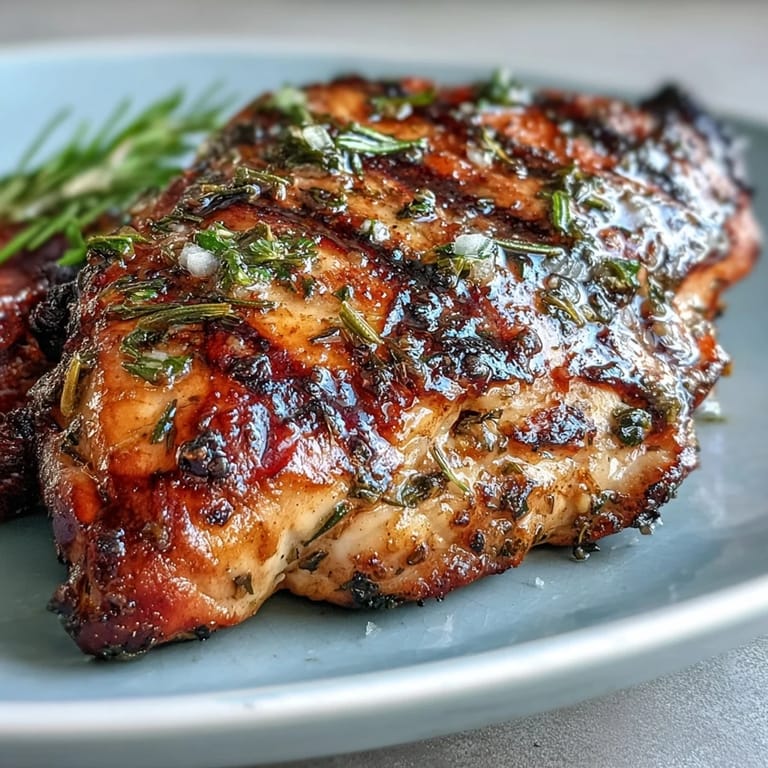
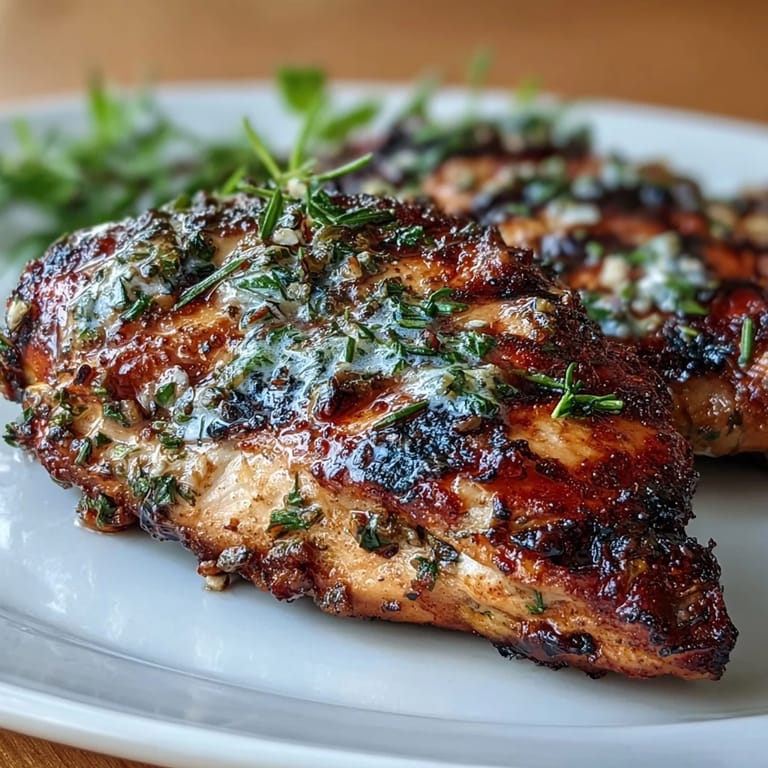
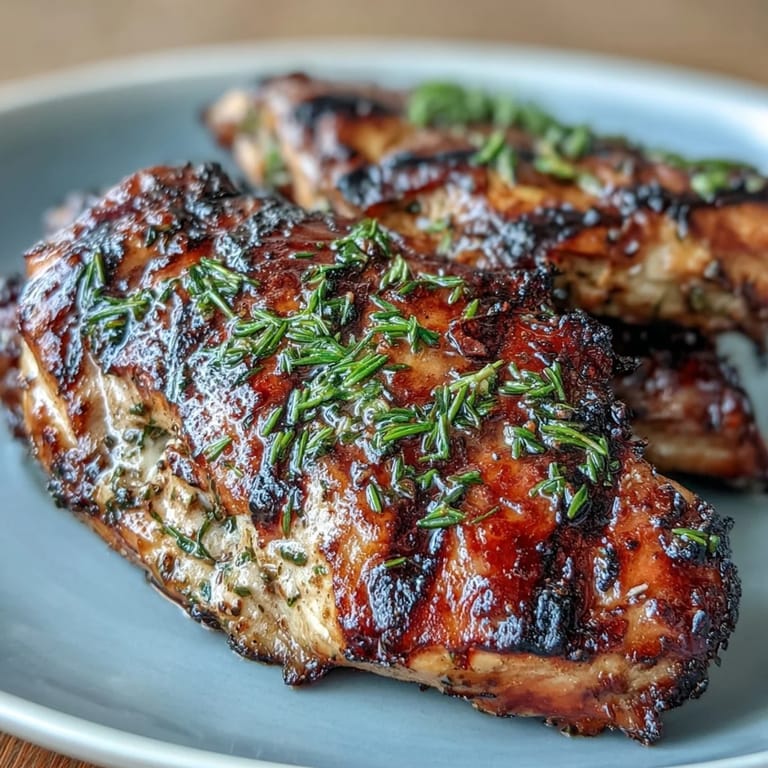
- Heat your grill or grill pan to medium-high heat and let it get hot enough that a drop of water sizzles immediately on contact. Place the marinated chicken on the grill without moving it around for the first six to eight minutes, which lets the surface get golden and caramelized—flip once and cook the other side until the internal temperature reaches 165°F (74°C). Let the chicken rest for five minutes after coming off the heat before you slice it, which keeps the juices from running out onto the plate.
- Bringing it all together:
- Arrange sliced grilled chicken on each plate with a generous spoonful of hummus alongside and a scoop of chilled tabbouleh. A lemon wedge and maybe a few extra fresh herbs make it look intentional without requiring any real skill.
 Save to Pinterest
 The first time someone told me tabbouleh was supposed to be mostly herbs with a little grain, not the other way around, it changed how I made it entirely. Now I buy bigger bunches of parsley than seems reasonable, and that abundance is exactly what makes the salad sing—it's bright, alive, and nothing like the dull versions I used to make.
The Marinade Is Your Secret Weapon
What makes this chicken taste Mediterranean isn't actually complicated—it's just the right combination of spices mixed with acid and fat, all sitting together long enough to actually flavor the meat. I learned this by accident when I forgot about marinating chicken one afternoon and came back two hours later instead of twenty minutes; the difference was unmistakable. The longer you can leave the chicken in the marinade, the better, because the lemon juice and spices actually penetrate the meat rather than just seasoning the surface.
Why This Tastes Complete
Each element on this plate does something the others can't—the chicken is your protein and something warm, the hummus is creamy and rich without being heavy, and the tabbouleh is refreshing and bright enough to cut through everything else. Together they make a meal that feels substantial but doesn't leave you feeling sluggish, which is why I find myself making this over and over. It's the kind of dish that tastes like you planned it carefully, even though you're really just assembling three things that naturally belong together.
Variations and Customizations
This meal is flexible in ways that feel helpful rather than chaotic—you can swap quinoa for bulgur if you're avoiding gluten, use chicken thighs instead of breasts if you want more flavor and less fussiness, or add pomegranate molasses and sumac if you want to push the Mediterranean flavors even further. I've made it with different herbs depending on what's growing in the garden or what I bought on a farmers market whim, and it's never steered me wrong. The structure stays the same but the details can shift based on what you have and what you're craving.
- A sprinkle of sumac on top of everything adds tartness and a beautiful color without requiring you to change anything else.
- Pomegranate molasses drizzled over the hummus or tabbouleh gives you complexity that tastes like you fussed more than you actually did.
- Red pepper flakes stirred into the chickpea mixture before blending brings heat that builds slowly instead of hitting all at once.
 Save to Pinterest
 This is the kind of meal I make when I want to feed people something that feels nourishing and intentional without being stressful. It's a reminder that good cooking often comes down to respecting a few quality ingredients rather than complicating things.
Recipe Questions & Answers
- → How long should the chicken marinate for optimal flavor?
Marinate the chicken for at least 20 minutes, though allowing up to 2 hours enhances the spice infusion and tenderness.
- → Can quinoa substitute bulgur in the tabbouleh?
Yes, quinoa works well as a gluten-free alternative to bulgur while maintaining the salad’s texture and flavor.
- → What is the best way to achieve creamy hummus texture?
Blend chickpeas with tahini, lemon juice, olive oil, garlic, and cumin, gradually adding cold water until smooth and velvety.
- → How do I know when the chicken is fully cooked?
Grill the chicken until its internal temperature reaches 165°F (74°C), ensuring it is juicy and safe to eat.
- → What herbs create the distinctive flavor in the tabbouleh?
Fresh parsley and mint give tabbouleh its vibrant, herbal character complemented by lemon juice and olive oil.