 Save to Pinterest
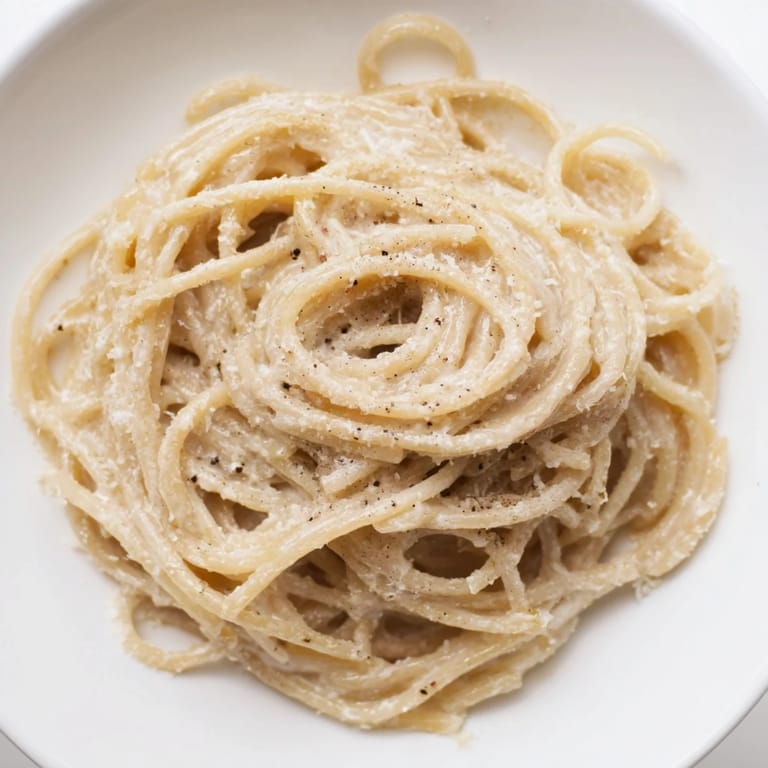
 There's a Tuesday evening I think about often—the kind where everything felt rushed, my kitchen was a disaster, and I had nothing in the fridge except pasta, butter, and a wedge of Parmesan. I stood there, frustrated, until it hit me: these three ingredients were actually everything I needed. Fifteen minutes later, I was twirling the creamiest, most elegant pasta I'd made in months, and it tasted like I'd spent hours on it. That night taught me that simplicity isn't a limitation—it's a superpower.
I made this for my friend Maya on a random weeknight when she showed up unannounced, hungry and skeptical that pasta could be interesting without meat or cream. She watched me toss everything together in one pot and raised an eyebrow when I explained the technique. By the third bite, she stopped talking and just ate, and that silence felt like the highest compliment possible.
Ingredients
- Dried pasta (200 g): Spaghetti, linguine, or fettuccine all work beautifully—the thinner shapes catch the sauce better, but use whatever you love.
- Unsalted butter (50 g): This isn't just a supporting ingredient; it's the foundation of everything creamy that follows, so don't skimp on quality.
- Freshly grated Parmesan cheese (60 g): Pre-grated cheese has anti-caking agents that prevent the sauce from emulsifying smoothly, so grate it yourself if you can.
- Salt and freshly ground black pepper: Season boldly at the end—pasta water is salty, but the sauce needs its own seasoning to sing.
Tired of Takeout? 🥡
Get 10 meals you can make faster than delivery arrives. Seriously.
One email. No spam. Unsubscribe anytime.
Instructions
- Boil the pasta:
- Fill a large pot with water, salt it generously until it tastes like the sea, and bring it to a rolling boil. Add your pasta and cook until al dente—tender but with just a whisper of resistance when you bite it.
- Save the liquid gold:
- Before you drain, scoop out about 150 ml of that starchy cooking water and set it aside. This isn't just water; it's the secret ingredient that makes everything creamy.
- Create the base:
- Return the hot, drained pasta to the pot and immediately add the butter off the heat. Toss constantly until every strand is glossy and buttered—the residual heat will melt it perfectly.
- Build the sauce:
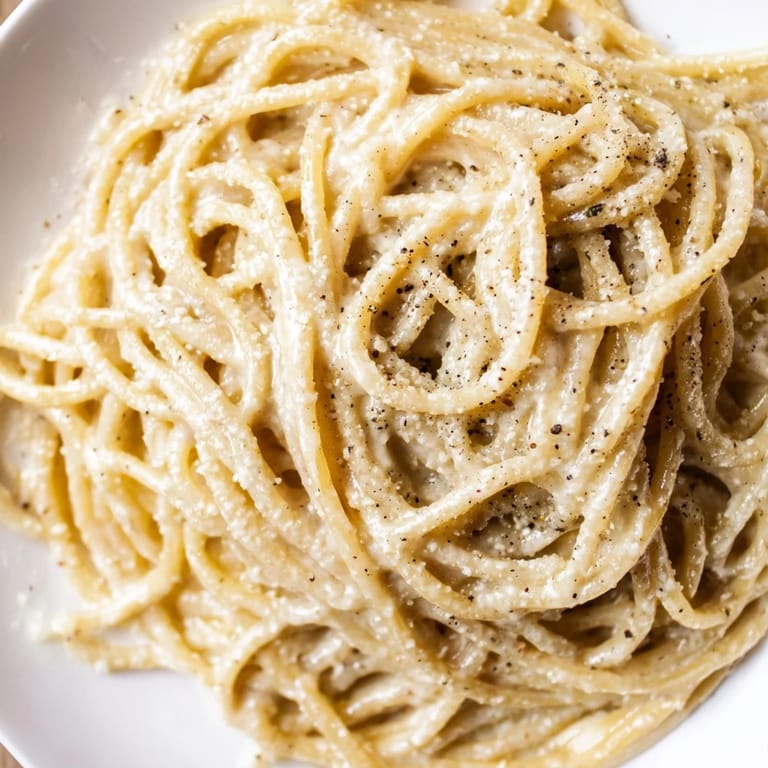
- Sprinkle in the Parmesan and pour in about 60-80 ml of your reserved pasta water, then toss vigorously and constantly. Watch as the mixture transforms into something silky and cloud-like; if it feels too thick, add more water a splash at a time.
- Finish and serve:
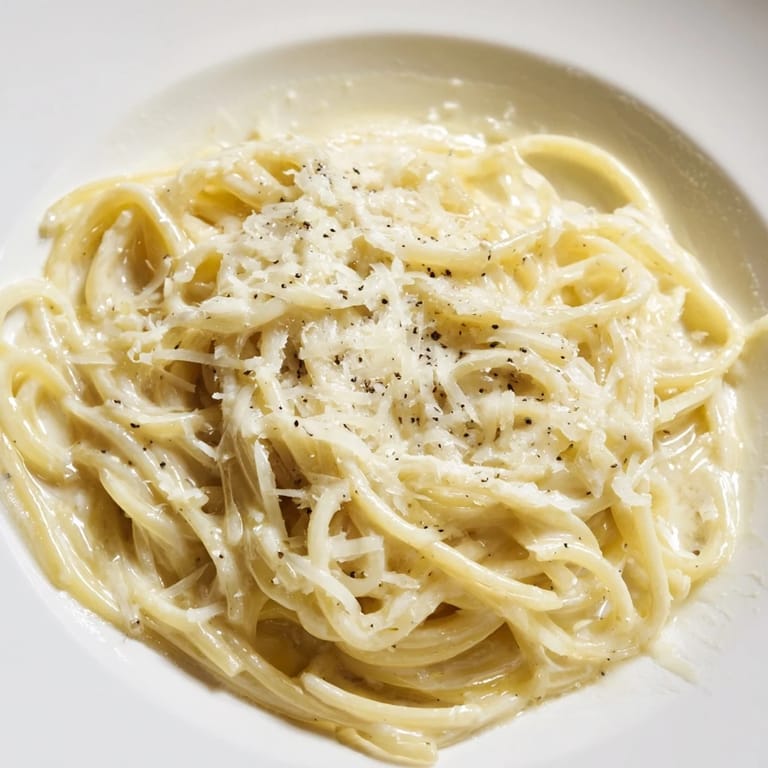
- Taste, season with salt and pepper, then serve immediately while everything is still warm and the sauce clings to every strand.
 Save to Pinterest
 I realized something important the first time I made this properly: the best meals sometimes aren't about impressive techniques or long ingredient lists, but about respecting what you have and treating simple things with care. This dish does exactly that.
Why This Works
There's real kitchen chemistry happening here, and it's worth understanding. The starch from the pasta water acts as an emulsifier, helping the butter and cheese cling to each other and coat every strand evenly. Without it, you'd have separated, greasy pasta. It's the same principle behind many classic Italian sauces, just stripped down to its essential truth—no cream needed, no complexity required.
Variations and Swaps
Once you understand the core technique, this dish becomes a canvas for whatever mood you're in. I've added a pinch of nutmeg when I wanted something warming, scattered fresh herbs on top on spring evenings, and even stirred in a handful of sautéed mushrooms on nights when I wanted something with a bit more substance. The beauty is that you can build on this foundation without overcomplicating it.
Kitchen Notes and Memories
Every time I make this, I think about how often we assume food needs to be complicated to be good—that a proper meal requires hours, multiple burners, and a shopping list a mile long. This pasta gently argues against that belief. It's taught me that constraints can be creative, that the best cooking sometimes happens when you stop overthinking and just work with what's in front of you. Some of my favorite evenings have ended with a simple bowl of this and good conversation, which feels like exactly the right kind of meal to have mastered.
- Don't walk away once you've added the cheese and pasta water—constant tossing is what creates that silky emulsion.
- If your cheese was stored in the freezer or fridge, let it come closer to room temperature before grating, as this helps it melt more smoothly into the sauce.
- Leftover pasta will firm up as it cools, but honestly, this is best eaten fresh and hot right from the pot.
 Save to Pinterest
 This recipe has become my answer to the question, "What can I make when I have almost nothing?" Now it's my answer to, "What should I make when I want something that feels deeply satisfying?" Sometimes the simplest things are exactly what we need.
Recipe Questions & Answers
- → Can I use different types of pasta for this dish?
Yes, spaghetti, linguine, or fettuccine work best, but any dried pasta can be used.
- → What is the purpose of the pasta water in the sauce?
Pasta water contains starch that helps emulsify the butter and cheese, creating a creamy sauce that clings to the pasta.
- → How can I adjust the sauce consistency?
Add more pasta water gradually to achieve your preferred creaminess without thinning the sauce too much.
- → Can I substitute Parmesan with another cheese?
Pecorino Romano is a great alternative for a sharper flavor if preferred.
- → Is this dish suitable for gluten-free diets?
Yes, using gluten-free pasta substitutes keeps this dish gluten-free while maintaining its creamy texture.