 Save to Pinterest
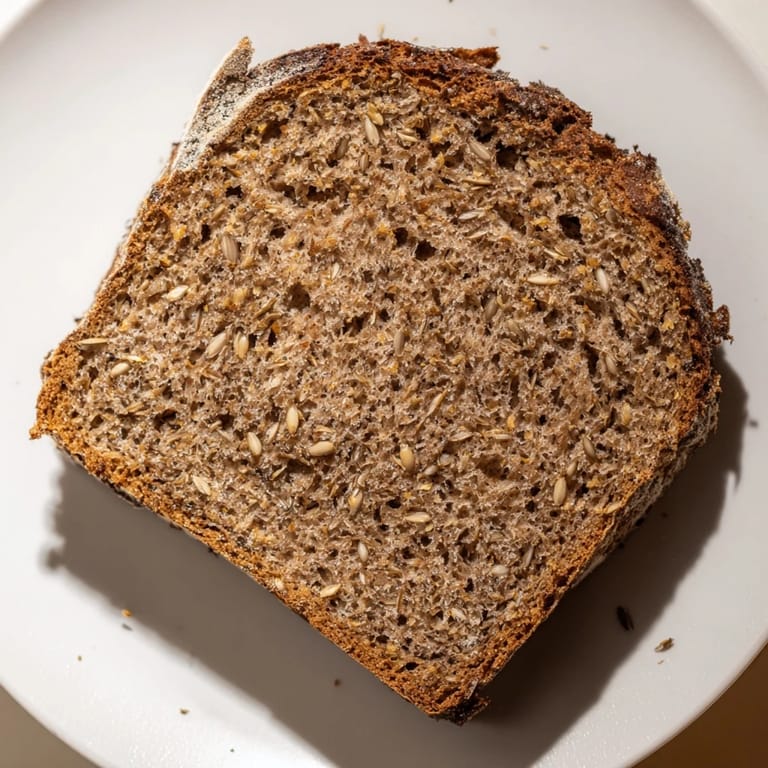
 My first loaf of rupjmaize emerged from the oven on a cold Riga morning, and the smell that filled the kitchen was unlike anything I'd baked before—deep, molasses-dark, with those caraway seeds whispering their peppery promise through the steam. I'd watched my grandmother shape the dough with these same hands, patient and deliberate, and suddenly understood why this bread had survived centuries of Latvian winters. The crust crackled as it cooled, and I knew I'd found something worth making again and again.
I remember serving thick slices of this bread to friends who'd never tasted proper rupjmaize before—their faces lit up the moment they bit through that sturdy crust into the soft, nutty crumb inside. One guest actually closed her eyes and asked where I'd learned to bake like this, and I had to laugh because just months earlier, I'd been nervously watching my first attempt rise in the bowl, convinced it would be a disaster. That bread taught me that sometimes the best things take patience and don't need to be rushed.
Ingredients
- Dark rye flour (500 g): This is the soul of the bread—don't substitute it with anything lighter or the whole character changes. I learned this the hard way by trying all-purpose once, and the result was bland and lifeless.
- Bread flour (100 g): Just enough to give structure and help the dough rise; it's the supporting actor that lets rye shine.
- Active dry yeast (1 packet, 7 g): Make sure it's fresh and your water is the right temperature, or you'll end up with a dough that barely moves during that long overnight rise.
- Warm water (350 ml): The temperature matters more than you'd think—too hot kills the yeast, too cold and it sulks.
- Molasses or dark honey (2 tbsp): This adds depth and a subtle sweetness that makes people wonder what the secret ingredient is.
- Salt (2 tsp): It controls fermentation and brings out the caraway's best notes; don't skip it or reduce it.
- Caraway seeds (2 tsp): If you've never toasted these before adding them, you're missing out on a layer of flavor that feels almost nutty and warm.
- Vegetable oil (1 tbsp plus extra): Keep it neutral so the bread's personality stays front and center.
Tired of Takeout? 🥡
Get 10 meals you can make faster than delivery arrives. Seriously.
One email. No spam. Unsubscribe anytime.
Instructions
- Wake up the yeast:
- Mix warm water with molasses and yeast in your bowl, then wait those full 10 minutes until it's foamy and alive. This is your signal that fermentation is ready to happen.
- Bring it all together:
- Stir in the flours, salt, and caraway seeds until a shaggy, sticky dough forms—don't panic if it looks wetter than bread doughs you've made before. Rye behaves differently, and sticky is exactly right.
- Knead with intention:
- Work the dough for 5 to 7 minutes, either by hand or with a hook, until it's smooth and elastic but still clinging slightly to your fingers. You'll feel the gluten developing, and the dough will start to feel alive under your hands.
- The long sleep:
- Oil your bowl, nestle the dough inside, cover it, and leave it on the counter overnight or for 12 to 16 hours. This isn't laziness—it's where the magic happens, where those rye flavors deepen and develop.
- Shape with confidence:
- Punch down the dough, turn it onto a lightly floured surface, and shape it into a round or oval loaf. Don't overwork it; let it keep some of its rustic character.
- The second rise:
- Place it on parchment or in your pan, cover it again, and give it 45 to 60 minutes until it's puffy and visibly risen. You want it light enough to poke, but still holding its shape.
- Prepare the oven:
- Heat to 220°C (425°F) while the dough finishes its second rise. A hot oven creates that beautiful deep crust this bread deserves.
- Dust and score:
- Sprinkle rye flour across the top—it's both practical and gorgeous—and optionally slash the loaf with a sharp knife to help it expand.
- Bake until golden:
- Bake for 45 to 50 minutes in the center of the oven until deeply browned and hollow-sounding when you tap the bottom. The sound is your best guide; trust it more than the timer.
- Cool completely:
- Let it rest on a wire rack before slicing—the crumb continues to set as it cools, and patience here means better texture and easier slicing.
 Save to Pinterest
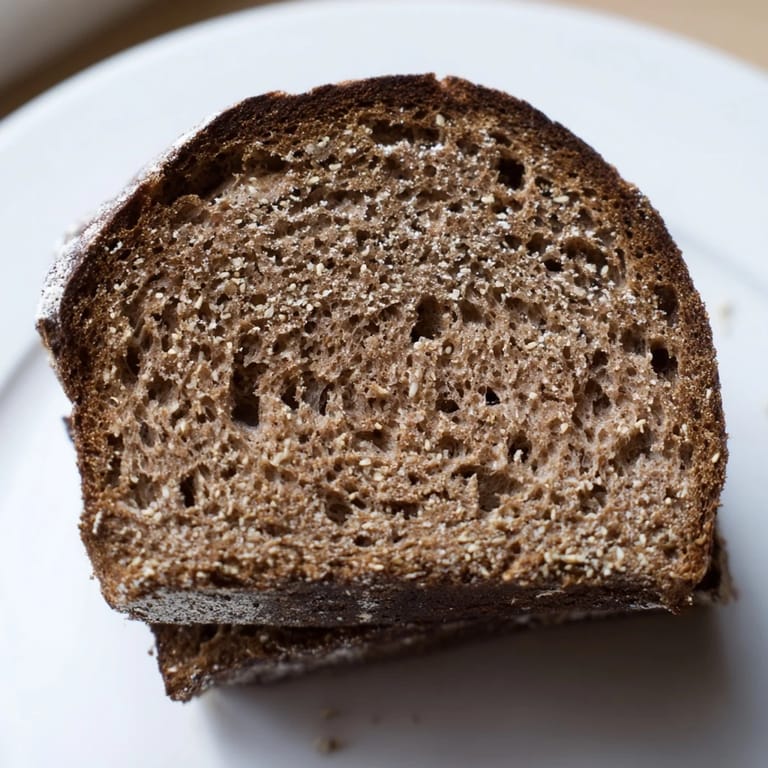
 There's a moment when you slice into a perfectly baked rupjmaize for the first time and realize you've created something that tastes like tradition, like home, like patience made edible. My family started requesting this bread instead of store-bought loaves, and suddenly baking wasn't just a skill—it became the thing that held us together on quiet mornings.
The Art of Toasting and Serving
The real magic happens when you toast a slice of this bread. The heat caramelizes the crust further and softens the crumb just enough that butter melts into every layer, and suddenly what seemed like a simple rye loaf becomes something worth lingering over. I've learned that serving rupjmaize hot from the toaster with cold salted butter is how this bread was meant to be eaten—the contrast is extraordinary.
Pairing Possibilities
This bread doesn't compete with what you put on top of it; instead, it elevates everything. A thick slice holds smoked fish, pickled vegetables, or creamy spreads without falling apart, and somehow makes even simple toppings taste special. I've served it with everything from humble cottage cheese to fancy pâtés, and it's never the bread that disappoints.
Storage and Freezing Wisdom
Rupjmaize actually improves over the first day or two as the flavors settle and the crumb becomes slightly more tender. Wrap it in cloth to keep the crust from softening too much, and it will stay fresh for nearly a week on your counter. Slice it before freezing if you want easy access to perfect toast whenever you need it.
- Store your loaf cut-side down on a wooden board to keep the crust crisp while the interior stays moist.
- Frozen slices thaw while toasting, so you never need to plan ahead—just pull, toast, and enjoy.
- Leftovers make incredible toast, and stale slices can be turned into breadcrumbs for another project entirely.
 Save to Pinterest
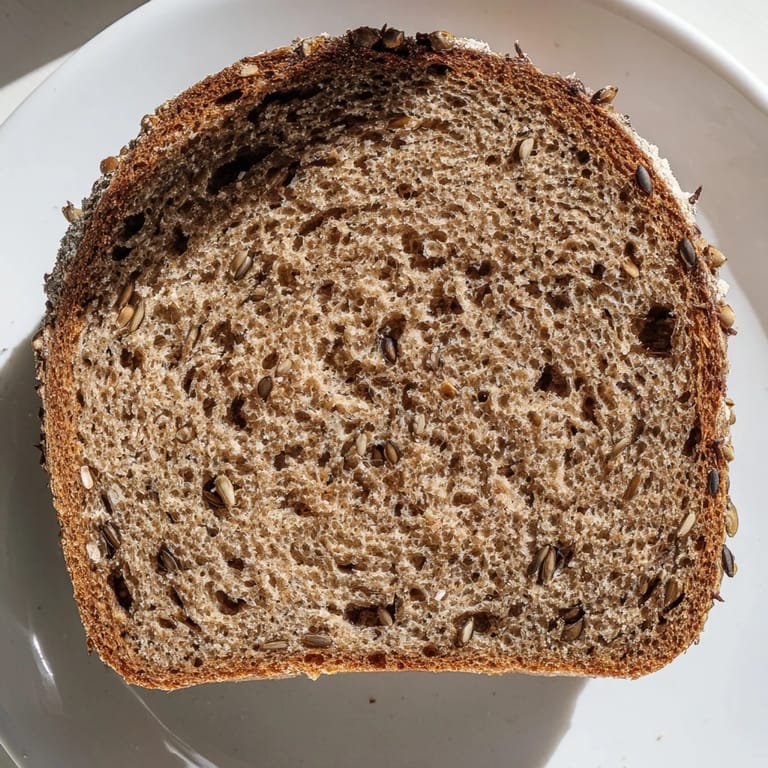
 Making rupjmaize taught me that some recipes are worth the time they demand, and that bread baked slowly is bread that feeds more than just hunger. Every loaf you bake carries forward centuries of Latvian kitchens, and that's a beautiful thing to be part of.
Recipe Questions & Answers
- → What gives Latvian Rupjmaize its distinctive flavor?
The flavor comes from the dark rye flour combined with molasses or honey, plus the aromatic caraway seeds which add a subtle nuttiness.
- → Why is a long rising time important for this bread?
The extended rising allows the dense rye dough to develop a better texture and deeper flavor through fermentation.
- → Can the caraway seeds be toasted before adding?
Yes, lightly toasting the caraway seeds enhances their nutty flavor, adding extra aroma to the loaf.
- → How do I know when the bread is fully baked?
The loaf is ready when it has a deeply browned crust and sounds hollow when tapped on the bottom.
- → What are ideal pairings for this bread?
It pairs well with salted butter, smoked fish, and hearty stews, complementing its robust rye flavor.
- → Is it possible to freeze this bread?
Yes, slice before freezing for convenient toasting later without compromising texture.