 Save to Pinterest
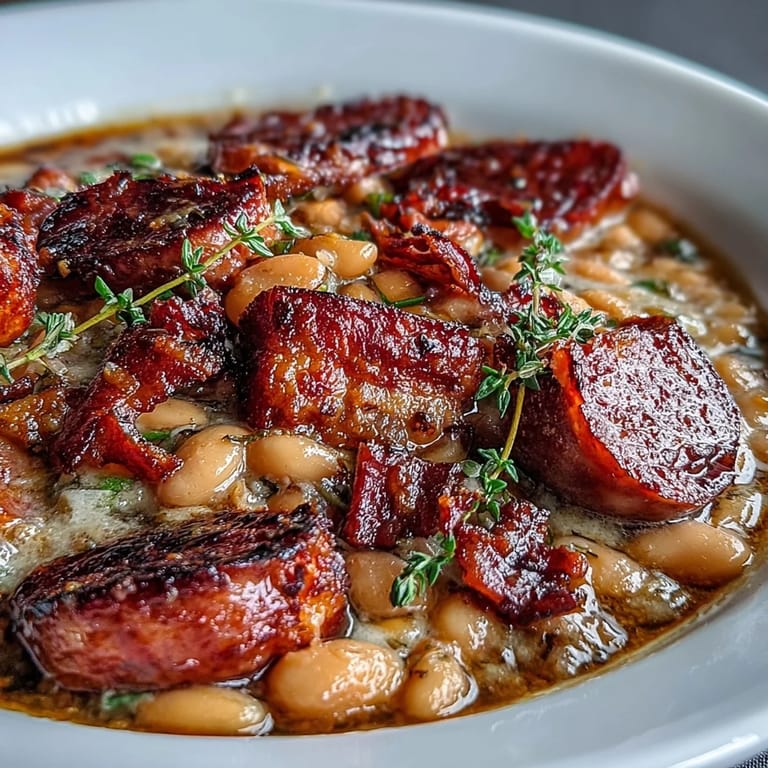
 My first cassoulet came together by accident on a freezing February afternoon when my neighbor dropped off a ham bone and insisted I do something worthwhile with it. I'd never made this French classic before, just read about it in dog-eared cookbooks, but something about the combination of smoky meat, tender beans, and herbs called to me that day. Three hours later, my kitchen smelled like a cozy Provence farmhouse, and I understood why people in rural France treat this dish like edible comfort. It's the kind of meal that asks nothing of you except patience and trust.
I served this to my in-laws unannounced one autumn Sunday, nervous they'd find it too heavy or too rustic. My mother-in-law took one spoonful, closed her eyes, and asked for the recipe right then and there. That moment taught me that cassoulet isn't about impressing anyone with complexity, it's about the honest warmth of slow-cooked food that makes people feel cared for. Since then, I've made it for celebrations, quiet dinners, and even when I just needed to feel like someone was cooking for me.
Ingredients
- Smoked ham, diced (400 g): This is your backbone flavor, so choose ham that smells distinctly smoky and avoid the overly salty supermarket kind if you can.
- Pork sausage, thickly sliced (200 g): The chunks add substance and a different textural note than the ham, so don't slice these paper-thin.
- Bacon or pancetta, diced (100 g): This renders down into the fat that starts everything, so quality matters more than quantity here.
- Dried white beans, soaked overnight (500 g): Cannellini and Great Northern beans hold their shape beautifully, which keeps the cassoulet from turning into soup by the final hour.
- Carrots, peeled and diced (2 medium): They soften completely and sweeten the broth naturally, creating a subtle sweetness that balances the smoke.
- Celery stalks, diced (2): This belongs in the soffritto base for its subtle herbal note that most people taste without realizing it's there.
- Onion, finely chopped (1 large): Mince it smaller than you normally would so it dissolves into the sauce and thickens it slightly.
- Garlic cloves, minced (4): Add this after the soffritto softens or it'll brown and turn bitter in the fat.
- Diced tomatoes, drained (1 can, 400 g): Draining them prevents excess liquid from diluting the deep flavors you're building.
- Chicken stock (1.2 L): Use the best stock you have access to, because this liquid becomes the soul of the dish.
- Tomato paste (2 tbsp): This concentrate adds umami depth, but don't skip the cooking step after adding it or it stays raw-tasting.
- Olive oil (2 tbsp): Use something you'd actually taste if you were drizzling it on bread, not the cheapest bottle.
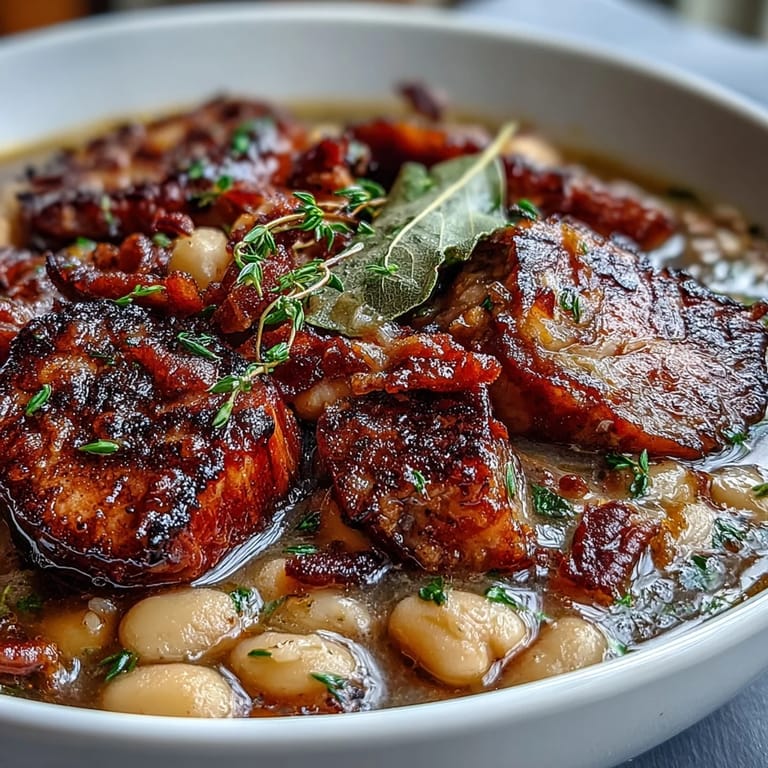
- Bay leaf and fresh thyme (1 bay leaf, 4 sprigs): These infuse slowly over the long cooking time, so remove them at the end or they'll overpower everything.
- Smoked paprika (1 tsp): This is the secret layer that makes people ask what spice you used.
- Salt and black pepper, to taste: Season in stages since the stock and ham are already salty, and you'll adjust at the very end.
- Fresh breadcrumbs for topping (1 cup, optional): Toast these in a pan with a bit of butter before sprinkling if you want them crispy, not soggy.
- Fresh parsley for garnish (2 tbsp): Add this only right before serving so it stays bright and doesn't wilt into the hot cassoulet.
Tired of Takeout? 🥡
Get 10 meals you can make faster than delivery arrives. Seriously.
One email. No spam. Unsubscribe anytime.
Instructions
- Heat your oven and prepare your vessel:
- Set the oven to 160°C (325°F) so it's ready when you need it. Use a Dutch oven or heavy casserole that can go from stovetop to oven without complaint, and make sure it has a tight-fitting lid.
- Start with the bacon or pancetta:
- Heat olive oil over medium heat and let the bacon or pancetta cook slowly until the fat renders and the edges turn golden and crispy. This fat becomes your flavor base, so don't rush it or skip this step entirely.
- Build the soffritto foundation:
- Add your diced onion, carrots, and celery to the rendered fat and sauté for 5 to 7 minutes until everything softens and the kitchen starts smelling like a classic French kitchen. The vegetables should be tender enough that they break apart easily when you press them with your spoon.
- Add garlic and cook gently:
- Stir in the minced garlic and cook for just 1 minute so it releases its aroma without browning and turning acrid. You'll smell the shift right away.
- Brown the ham and sausage:
- Add your diced ham and sausage slices and cook until the edges begin to brown and caramelize slightly. This takes about 5 minutes and adds flavor that simmering alone won't give you.
- Deepen the flavors with tomato:
- Stir in the tomato paste and smoked paprika, and let them cook for 2 minutes so they lose their raw taste and begin to caramelize into the fat. Add your drained diced tomatoes and stir everything together.
- Combine beans and liquid:
- Add your soaked, drained beans along with the chicken stock, bay leaf, and thyme sprigs. Season with salt and pepper, but go easy on the salt since both the ham and stock are already salty.
- Simmer gently before the oven:
- Bring everything to a gentle simmer on the stovetop, then cover with the lid and transfer to your preheated oven. This transition should feel smooth, not rushed.
- Bake low and slow:
- Bake covered for 1 hour 30 minutes, stirring once or twice if you think of it. The beans should become completely tender and the liquid should reduce into a thick, rich sauce that clings to each bean.
- Optional crispy topping:
- If you're adding breadcrumbs, scatter them over the top in the last 15 minutes and bake uncovered so they turn golden and crunchy. Skip this if you prefer the rustic, brothier version.
- Final touches before serving:
- Remove the bay leaf and thyme sprigs, taste the cassoulet, and adjust the seasoning one last time. Garnish with fresh parsley right before bringing it to the table.
 Save to Pinterest
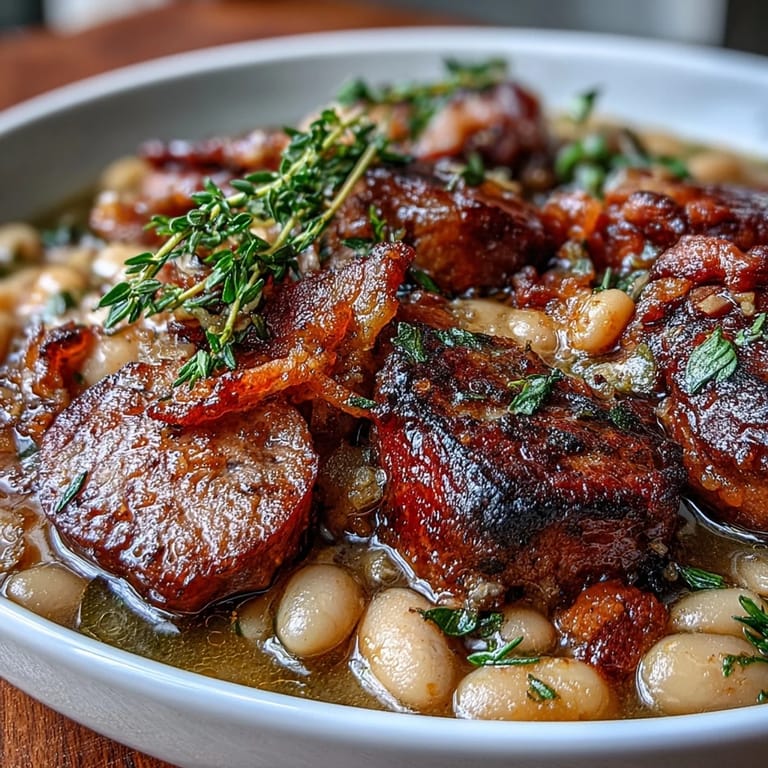
 There's a moment near the end of cooking when you lift the lid and the steam rises and carries the smell of ham, herbs, and slow-cooked beans straight into your face, and you know you've made something worth the wait. That's when cassoulet stops being a recipe and becomes an experience, the kind that makes people linger at the table longer than usual.
Why Cassoulet Matters
This dish comes from the Occitania region of southwestern France, where it was born from practical necessity, not fancy technique. Farm families used the meats and beans they had on hand, cooked everything together slowly to make it tender and flavorful, and created something so good that it became a defining dish of the region. When you make cassoulet, you're cooking something with real history and purpose, not just following steps.
Making It Your Own
The beauty of cassoulet is that it invites improvisation despite its French formality. If you find a good ham bone, use it instead of diced ham and you'll get an even deeper flavor that lingers in the beans. If duck confit is available to you, add it in the last few minutes instead of sausage for an even more luxurious version that tastes restaurant-quality.
Serving Suggestions and Wine Pairing
Cassoulet doesn't need much fussing on the plate, just a wide bowl and enough of the cooking liquid so each spoonful has both beans and sauce. Serve it with thick slices of crusty bread for soaking up the broth, and pour a robust red wine like Cahors or Côtes du Rhône that stands up to the smoke and richness without flinching.
- Make a big salad with bitter greens and sharp vinaigrette to cut through the richness and cleanse the palate between spoonfuls.
- If you're feeling fancy, stir a knob of butter into the cassoulet just before serving for extra silkiness.
- Leftovers actually taste better than the original meal, so don't apologize for having plenty.
 Save to Pinterest
 Cassoulet is the kind of dish that fills your house with warmth and makes everyone at the table feel like they matter. Once you've made it, you'll understand why French home cooks return to it year after year.
Recipe Questions & Answers
- → What type of beans are best for this dish?
Dried white beans like cannellini or Great Northern work best as they soften beautifully during slow cooking and absorb flavors well.
- → Can I prepare the dish ahead of time?
Yes, flavors deepen when made a day earlier. Store covered in the fridge and reheat gently before serving.
- → How can I make a vegetarian version?
Omit all meats and use smoked paprika to add depth and a smoky note to the bean and vegetable base.
- → What is the best cooking vessel for this dish?
A heavy Dutch oven or large casserole dish ensures even heat distribution for slow cooking and tender results.
- → Is the breadcrumb topping necessary?
The topping is optional but adds a delightful crunchy contrast to the soft beans and meats when baked uncovered near the end.