 Save to Pinterest
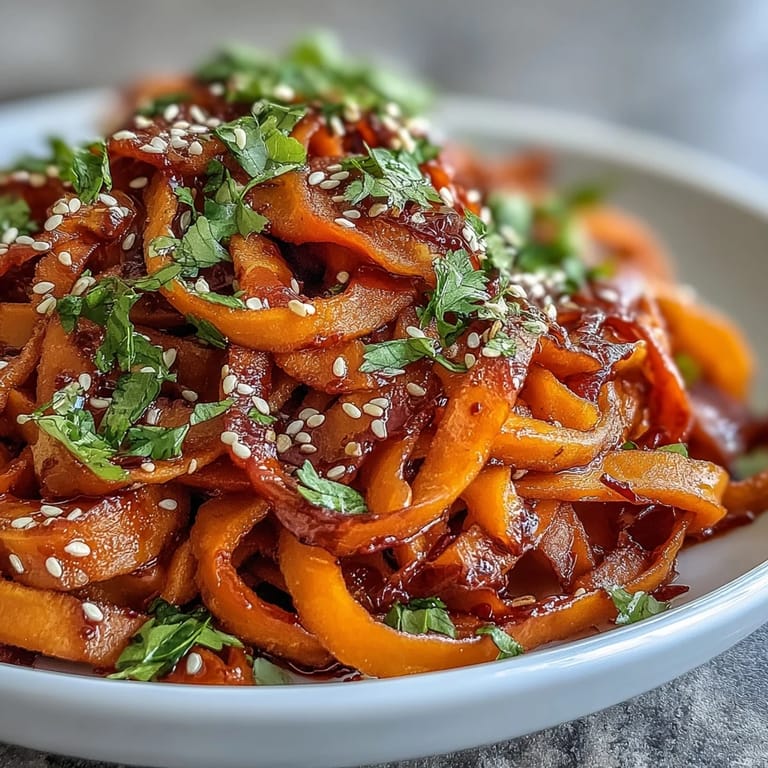
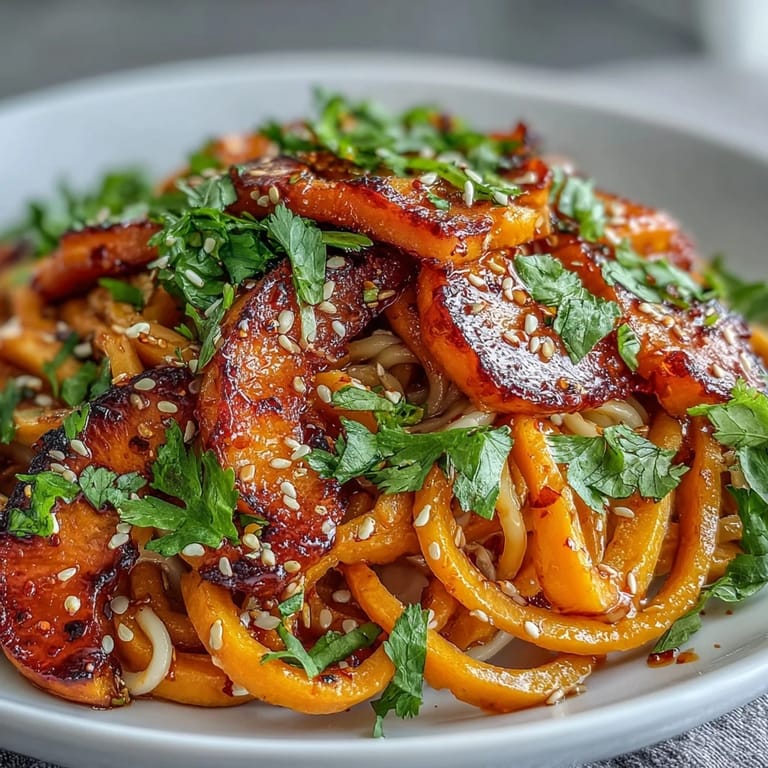
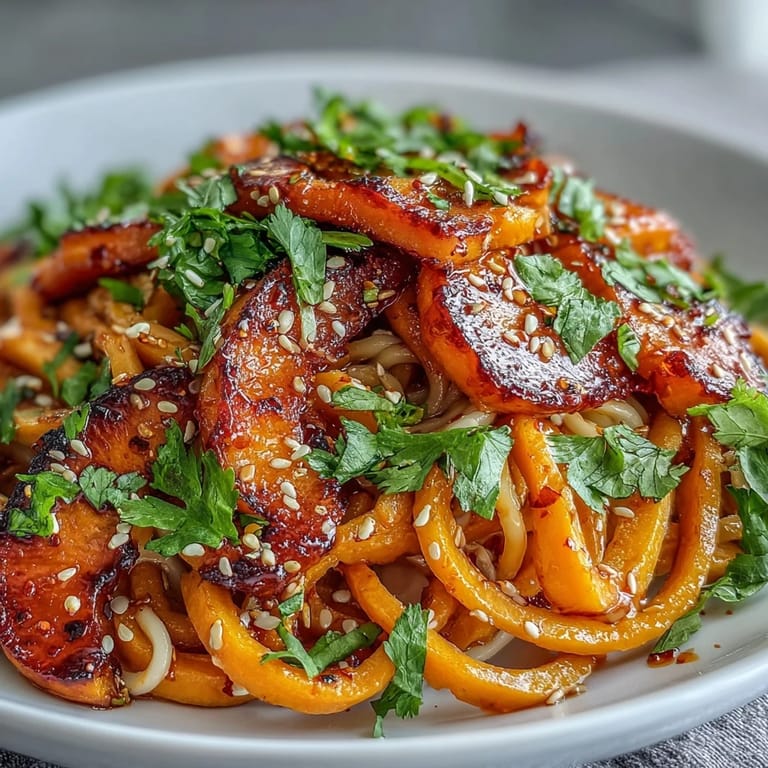
 My neighbor brought back a jar of gochujang from a trip to Seoul and insisted I try it on everything. I wasn't sure what to do with swede beyond mashing it, but one cold evening I shaved it into ribbons and roasted them until they curled and caramelized at the edges. The sweetness of the swede balanced the fiery paste so perfectly that I've been making this combination ever since. It's become my go-to when I want something warm, filling, and just different enough to feel like a small adventure.
I made this for a potluck once and watched people go back for seconds, asking what kind of noodles I used. When I told them it was swede, half of them didn't believe me. One friend even texted me the next morning asking for the recipe because she'd been thinking about it all night. That's when I realized this dish has a quiet magic to it, the kind that sneaks up on you and stays.
Ingredients
- Swede (rutabaga): Choose a firm, heavy swede without soft spots, and use a vegetable peeler or mandoline to get thin, even ribbons that roast quickly and evenly.
- Rice noodles: These absorb the dressing without getting mushy, and rinsing them in cold water after cooking stops them from sticking together.
- Gochujang: This fermented chili paste is the soul of the dish, bringing depth, sweetness, and controlled heat all at once.
- Soy sauce: Adds the salty backbone that balances the maple syrup and ties everything together.
- Maple syrup: I prefer this over honey for its deeper, almost smoky sweetness that complements the roasted vegetables.
- Toasted sesame oil: Just a tablespoon transforms the dressing with its rich, nutty aroma.
- Garlic and ginger: Freshly grated makes all the difference, releasing oils that mellow as they mix into the sauce.
- Spring onions: Their sharpness cuts through the richness and adds a fresh, crunchy contrast.
- Sesame seeds: Toast them yourself in a dry pan for a minute until fragrant, it's worth the extra step.
- Fresh cilantro: A handful of this at the end brightens the whole bowl and adds a cooling note.
Tired of Takeout? 🥡
Get 10 meals you can make faster than delivery arrives. Seriously.
One email. No spam. Unsubscribe anytime.
Instructions
- Prep the oven:
- Preheat your oven to 220°C (425°F) so it's blazing hot and ready to caramelize those swede ribbons. A hot oven is key to getting those golden, slightly crispy edges.
- Roast the swede:
- Toss the ribbons with vegetable oil, salt, and pepper, then spread them out in a single layer on a baking sheet. Roast for 25 to 30 minutes, flipping them halfway through so they brown evenly and develop that sweet, caramelized flavor.
- Cook the noodles:
- While the swede roasts, cook your rice noodles according to the package directions, then drain and rinse them under cold water. This stops the cooking and keeps them from clumping into a sticky mass.
- Make the dressing:
- Whisk together the gochujang, soy sauce, maple syrup, rice vinegar, sesame oil, garlic, ginger, and chili flakes in a bowl. Add water a tablespoon at a time until it's pourable but still clings to a spoon.
- Toss everything together:
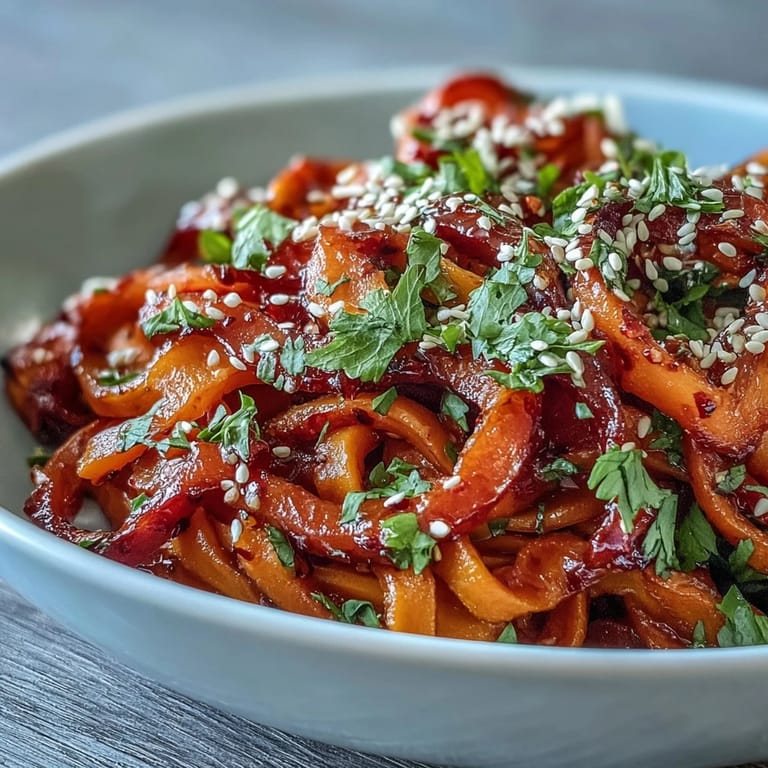
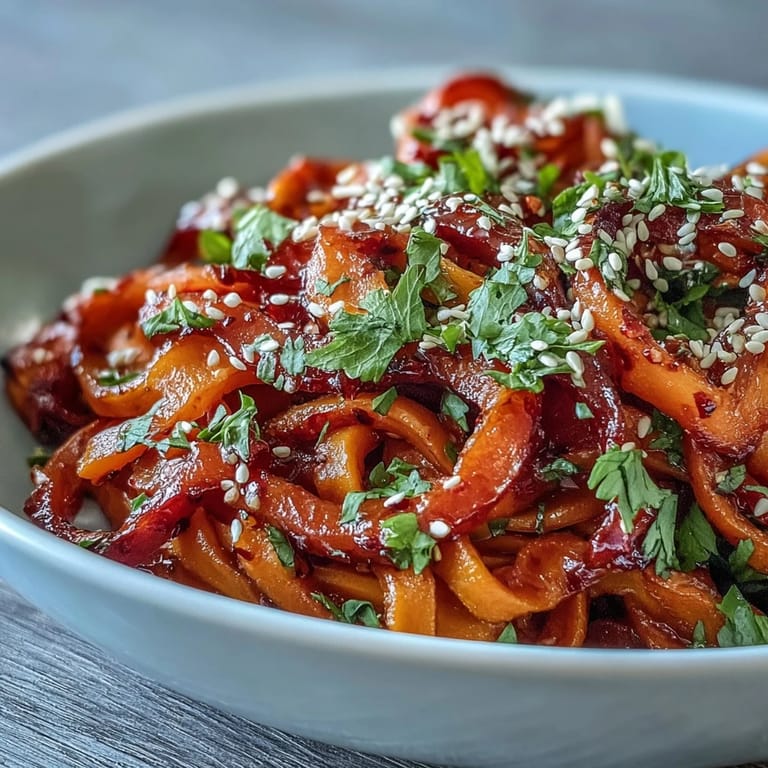
- In a large bowl, combine the roasted swede, noodles, spring onions, carrot, and bean sprouts if using. Pour the dressing over and toss gently but thoroughly until every ribbon and noodle is coated.
- Serve:
- Plate it up immediately while it's still warm, then scatter toasted sesame seeds and fresh cilantro over the top. The contrast of textures and temperatures is what makes each bite interesting.
 Save to Pinterest
  Save to Pinterest
 The first time I plated this up, I didn't think much of it until I took a bite and realized the swede had this tender, almost meaty quality I'd never noticed before. My partner looked up mid-forkful and said it tasted like takeout, but better. That's when this became more than just a weeknight meal, it became proof that you don't need exotic ingredients to make something memorable, just a willingness to try something new with what you have.
Making It Your Own
I've added pan-fried tofu cubes for extra protein, and they soak up the dressing like little sponges. Edamame works too, and adds a pop of bright green that makes the whole dish look more vibrant. If you want more crunch, try adding thinly sliced radishes or even some crushed peanuts at the end. The beauty of this recipe is that it's forgiving and adaptable, so feel free to experiment with whatever vegetables you have on hand.
Storage and Reheating
Leftovers keep well in the fridge for up to three days in an airtight container. The flavors deepen overnight, and the swede soaks up even more of the dressing. I usually eat it cold straight from the fridge for lunch, but if you prefer it warm, a quick toss in a hot pan with a splash of water brings it back to life. Just don't microwave it for too long or the noodles will turn rubbery.
What to Serve Alongside
This dish is hearty enough to stand alone, but I like serving it with a simple cucumber salad dressed in rice vinegar and a pinch of sugar. A cold lager or a slightly off-dry Riesling cuts through the heat beautifully. If you're feeding a crowd, set out small bowls of extra sesame seeds, chili oil, and lime wedges so everyone can customize their bowl.
- A crisp green salad with a light sesame dressing balances the richness perfectly.
- Pickled vegetables add a sharp, tangy contrast that refreshes your palate between bites.
- Steamed or stir-fried bok choy makes a simple, elegant side that doesn't compete with the bold flavors.
 Save to Pinterest
  Save to Pinterest
 Every time I make this, I'm reminded that the best recipes are the ones that surprise you, the ones that take something humble and turn it into something you can't stop thinking about. I hope this becomes one of those dishes for you too.
Recipe Questions & Answers
- → Can I substitute swede with another vegetable?
Yes, you can use butternut squash, sweet potato, or parsnips. Adjust roasting time based on the vegetable's density - softer vegetables may need 5-10 minutes less cooking time.
- → How spicy is gochujang and can I adjust the heat level?
Gochujang has moderate heat with sweet undertones. To reduce spiciness, use less gochujang (2 tbsp instead of 3) and add extra maple syrup. For more heat, include the optional chili flakes or add sriracha.
- → What type of rice noodles work best for this dish?
Medium-width flat rice noodles (pad thai style) work perfectly. Vermicelli rice noodles are also suitable. Avoid very thin noodles as they may break when tossing with the vegetables and dressing.
- → Can I make the gochujang dressing in advance?
Absolutely. Prepare the dressing up to 5 days ahead and store it in an airtight container in the refrigerator. Whisk well before using as the oil may separate during storage.
- → How do I store and reheat leftovers?
Store in an airtight container in the refrigerator for up to 3 days. Reheat gently in a pan over medium heat with a splash of water to prevent drying. Microwave reheating works but may soften the noodles further.
- → Is this dish suitable for meal prep?
Yes, it's excellent for meal prep. Keep the dressing separate and store roasted swede and cooked noodles together. Combine and dress just before serving to maintain the best texture and prevent the noodles from absorbing too much sauce.