 Save to Pinterest
 The kitchen was still cold that February morning when I pulled the whole duck from the fridge, its skin taut and pale. I had never roasted a whole bird for just two people before, but something about the way the five-spice powder smelled when I opened the jar, warm and mysterious, made me certain this was the right choice. My hands were clumsy at first, pricking the skin with a fork, worried I'd go too deep. By the time I finished rubbing that sticky, fragrant marinade into every crevice, the duck looked like it had been dipped in amber. I knew then that this dinner would be different.
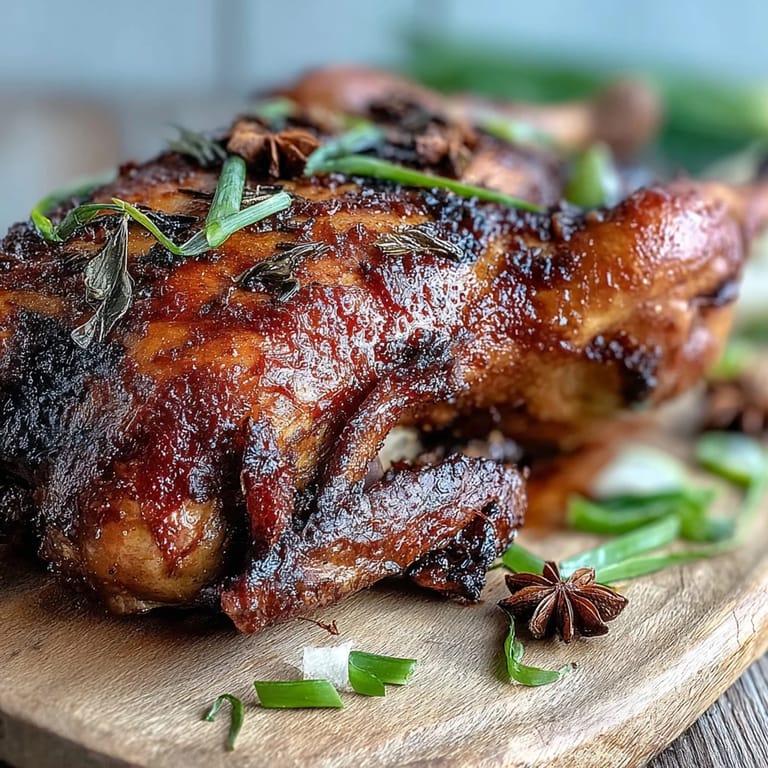
I made this for the first time on Valentines Day because I wanted something that felt ceremonial without being fussy. The house filled with the scent of star anise and caramelizing honey as the duck roasted, and I remember peeking through the oven door every twenty minutes like a child. When I pulled it out, the skin was so dark and glossy it looked lacquered. We ate it with our fingers more than our forks, laughing at the mess. That night, duck became our tradition.
Ingredients
- Whole duck: Look for one around 1.5 to 2 kg, the skin should be smooth and free of tears, and make sure its completely dry before you start or the marinade wont stick properly.
- Chinese five-spice powder: This blend of star anise, cloves, cinnamon, Sichuan pepper, and fennel is the soul of the dish, buy it fresh if you can because old five-spice tastes like dusty memories.
- Sea salt: Coarse salt draws out moisture from the skin, which is exactly what you want for that crackle.
- Light soy sauce: Adds salinity and a gentle umami undertone, use gluten-free versions if needed and the dish stays just as good.
- Dark soy sauce: This is for color and a hint of molasses-like depth, it turns the skin that beautiful burnished bronze.
- Honey: It caramelizes in the oven and balances the savory spice with just enough sweetness.
- Shaoxing wine: A Chinese cooking wine that adds complexity, dry sherry works perfectly if you cant find it.
- Garlic and ginger: Freshly minced and grated, they bring sharpness and warmth that cuts through the richness of the duck fat.
- Orange: The zest and juice brighten everything, and the quartered fruit inside the cavity perfumes the meat from within.
- Spring onions: Chopped and stuffed inside, they add a mild onion sweetness that mellows as it roasts.
- Star anise pods: Tucked into the cavity, they release their licorice-like aroma and make the whole kitchen smell like magic.
Tired of Takeout? 🥡
Get 10 meals you can make faster than delivery arrives. Seriously.
One email. No spam. Unsubscribe anytime.
Instructions
- Mix the marinade:
- In a small bowl, whisk together the five-spice powder, salt, both soy sauces, honey, Shaoxing wine, garlic, ginger, orange zest, and juice until it becomes a thick, glossy paste. The smell alone will make you hungry.
- Prep the duck:
- Set the cleaned, dry duck on a rack in your roasting pan and use a fork to prick the skin all over, little shallow jabs that let the fat render out without piercing the meat underneath. This step is tedious but it makes all the difference.
- Rub and stuff:
- Massage the marinade all over the duck, inside and out, getting into the wings and legs, then stuff the cavity with the orange quarters, spring onions, and star anise. Your hands will be sticky and fragrant, just embrace it.
- Marinate:
- Let the duck sit uncovered in the fridge for at least an hour, though overnight is better because the flavors sink deeper and the skin dries out, which means crispier results. Patience here pays off in crackle.
- Preheat and position:
- Heat your oven to 180 degrees Celsius and make sure the rack is in the middle so the duck roasts evenly. Bring the duck to room temperature for about 20 minutes before it goes in.
- First roast:
- Roast the duck breast-side up for one hour, basting it with the pan juices every 30 minutes so the skin stays moist and develops that deep color. The kitchen will start to smell unbelievable.
- Crisp the skin:
- Crank the heat up to 220 degrees Celsius and roast for another 20 to 30 minutes, watching closely as the skin turns crisp and dark golden brown. Dont walk away during this part, it can go from perfect to burnt fast.
- Rest and carve:
- Pull the duck from the oven and let it rest on a cutting board for 10 minutes so the juices settle back into the meat. Carve it with a sharp knife, and try not to eat all the crispy skin before it hits the table.
 Save to Pinterest
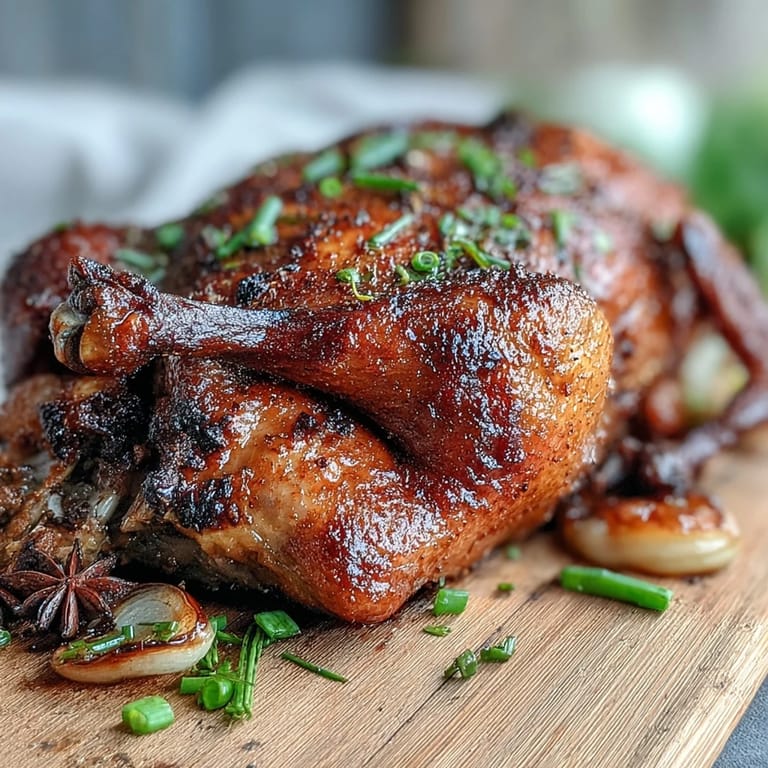
 The second time I made this, I served it to friends who swore they didnt like duck. They went quiet when I brought it to the table, the skin crackling audibly as I carved. One of them later told me it was the first time she understood why people made a fuss about duck. That moment, watching someone fall in love with a dish you made, stays with you. Food like this doesnt just feed people, it changes their minds.
Getting the Skin Right
Duck skin is where the magic happens, but only if you treat it with respect. Pricking it all over lets the thick layer of fat underneath render out during roasting, which bastes the meat naturally and leaves the skin thin and crispy. If you skip this step, you end up with rubbery, chewy skin that no amount of high heat will fix. I learned this the hard way on my first attempt, when I was too timid with the fork and ended up with a beautifully flavored duck wrapped in something like leather. Now I prick with confidence, and every time the skin comes out like glass.
Marinade Timing
An hour of marinating will get you a tasty duck, but overnight transforms it into something deeper and more complex. The salt in the marinade pulls moisture from the skin, which dries it out just enough to crisp beautifully, while the spices and honey penetrate the meat slowly. I tried both methods side by side once, and the overnight version had a richness and a crackling skin that the quick version couldnt match. If youre planning this for a special dinner, give yourself the gift of time. The duck will thank you by being unforgettable.
Serving and Storing
This duck is stunning on its own, but I love serving it with steamed jasmine rice to soak up the pan juices and some quickly stir-fried greens for color and crunch. Leftovers, if you have any, are a treasure. The meat makes incredible sandwiches on crusty bread with a smear of hoisin and fresh cucumber, or you can shred it into fried rice or noodles. I once turned the carcass into a rich, spiced broth that tasted like the essence of the original dinner. Waste nothing, this bird gives and gives.
- Let the duck rest fully before carving or the juices will run all over the board and the meat will be drier.
- Save the rendered fat from the pan, its perfect for roasting potatoes or frying eggs the next morning.
- Pair with a light Pinot Noir or chilled jasmine tea, both cut through the richness beautifully.
 Save to Pinterest
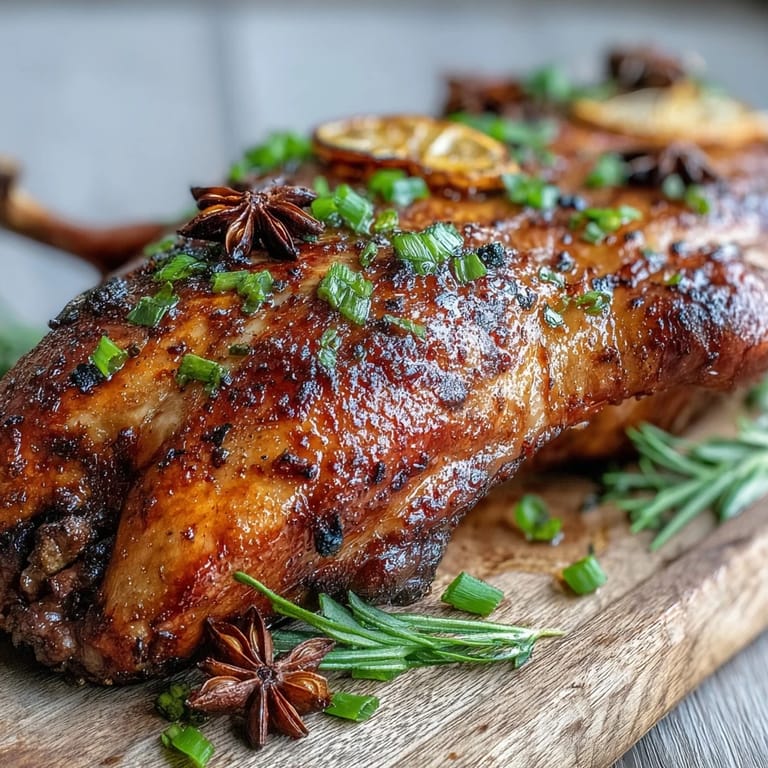
 Every time I pull this duck from the oven, I feel a little proud, like Ive accomplished something that matters. Its the kind of dish that makes an ordinary evening feel like an occasion. I hope it does the same for you.
Recipe Questions & Answers
- → How do I get crispy duck skin?
Prick the skin all over with a fork without piercing the meat, and leave the duck uncovered in the refrigerator overnight before roasting. Increase the oven temperature to 220°C during the final 20-30 minutes of cooking.
- → Can I marinate the duck overnight?
Yes, marinating overnight in the refrigerator will deepen the flavors significantly. The minimum marinating time is 1 hour, but longer is better for more intense five-spice and citrus notes.
- → What can I substitute for Shaoxing wine?
Dry sherry makes an excellent substitute for Shaoxing wine. You can also use dry white wine or rice wine vinegar in a pinch.
- → How do I know when the duck is fully cooked?
The duck is done when the skin is crispy and golden brown and the internal temperature reaches 74°C (165°F) in the thickest part of the thigh. The juices should run clear when pierced.
- → What should I serve with this duck?
Steamed jasmine rice and stir-fried greens complement the rich, aromatic duck beautifully. You can also serve it with bok choy, Chinese broccoli, or seasonal vegetables.
- → Can I use duck breasts instead of a whole duck?
While this preparation is designed for whole duck, you can adapt it for duck breasts with reduced cooking time. Roast breasts for about 15-20 minutes at 200°C for medium-rare.