 Save to Pinterest
 My neighbor Antonio once told me that if you can't make a proper Cacio e Pepe, you don't really know how to cook pasta. He wasn't being mean, just brutally Roman about it. The first time I tried, the cheese clumped into a rubbery mess and I nearly gave up. But after watching him move the pan off the heat at just the right second, tossing with the confidence of someone who'd done it a thousand times, something clicked. Now it's the dish I make when I want to remind myself that simplicity, done right, is its own kind of magic.
I made this for my sister on a Tuesday night when she showed up unannounced, heartbroken and hungry. We didn't talk much while I cooked, just the sound of water boiling and pepper cracking in the pan. She took one bite, closed her eyes, and said it tasted like Rome in the summer. I'd never been, but I understood what she meant.
Ingredients
- Spaghetti or tonnarelli (400 g): Tonnarelli is the traditional choice with its square edges that grab sauce beautifully, but spaghetti works just as well and is easier to find.
- Pecorino Romano cheese (120 g, finely grated): This is the soul of the dish, sharp and salty and utterly non-negotiable, so grate it yourself from a good wedge because pre-shredded won't melt the same way.
- Whole black peppercorns (2 tsp, freshly cracked): Toasting them in the pan releases oils you didn't know were there, turning simple pepper into something almost floral and deeply warm.
- Kosher salt (1 tsp for pasta water): The pasta water becomes part of the sauce, so salting it properly matters more than you'd think.
- Unsalted butter (1 tbsp, optional): Purists skip it, but a little butter makes the sauce forgive you if your timing isn't perfect, and sometimes forgiveness is worth it.
Tired of Takeout? 🥡
Get 10 meals you can make faster than delivery arrives. Seriously.
One email. No spam. Unsubscribe anytime.
Instructions
- Boil the pasta with purpose:
- Bring a large pot of water to a rolling boil, salt it well, and cook the spaghetti until it still has a slight bite, about a minute less than the package says. Before you drain it, scoop out at least one and a half cups of that starchy, cloudy water because that's what will turn cheese into silk.
- Wake up the pepper:
- While the pasta bubbles away, toss your cracked peppercorns into a dry skillet over medium heat and let them toast for about a minute. You'll smell it when they're ready, a kind of sharp, woody fragrance that fills the kitchen.
- Build the base:
- Pour one cup of the hot pasta water into the skillet with the toasted pepper and lower the heat. This peppery broth is the foundation of everything that comes next.
- Marry the pasta and pepper:
- Add the drained pasta straight into the skillet and toss it around, letting it drink up some of that peppery water. The pasta should look glossy and alive, not dry or sad.
- Create the creamy magic:
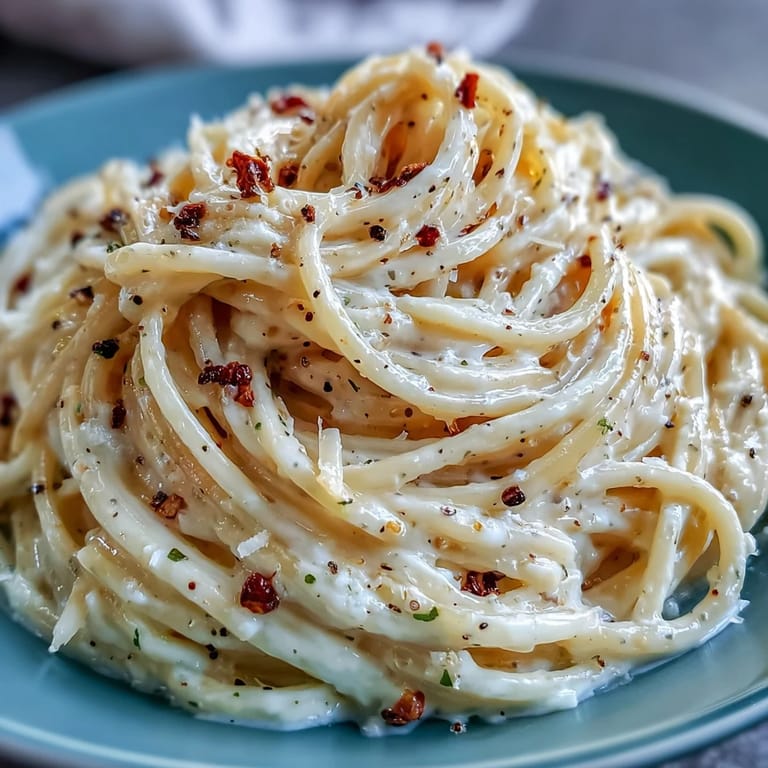
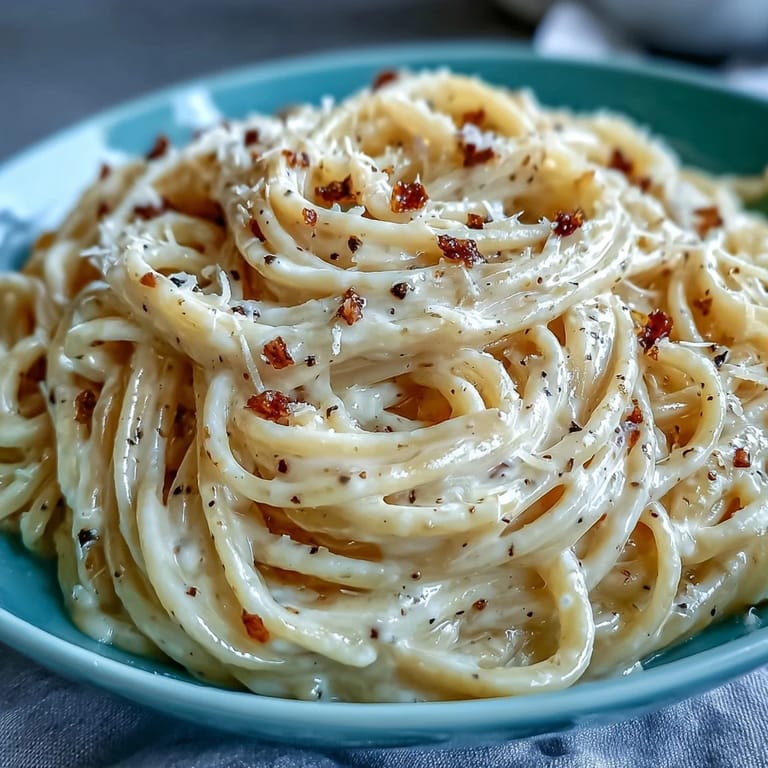
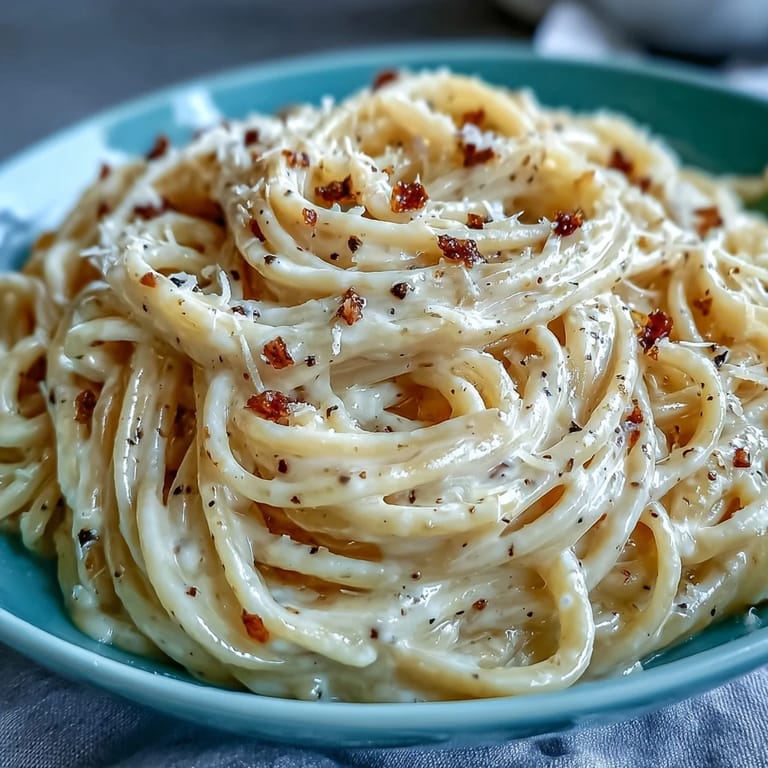
- Pull the pan off the heat completely, then start adding the Pecorino a handful at a time, tossing constantly and vigorously like you're trying to wake it up. If it starts to clump or look dry, add a splash more pasta water and keep moving until it turns into a creamy, clinging sauce.
- Finish with butter if you like:
- If you're using butter, drop it in now and toss until it melts and disappears into the sauce. It's a small cheat that makes everything a little more forgiving.
- Serve it hot:
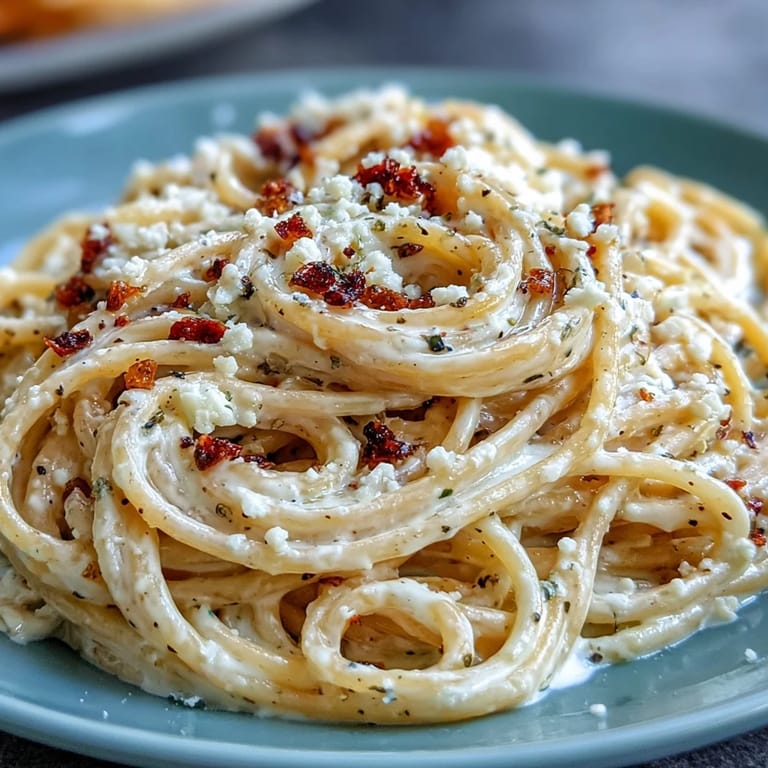
- Plate it up immediately, adding extra grated Pecorino and a generous crack of black pepper on top. This dish waits for no one.
 Save to Pinterest
  Save to Pinterest
 There was a night last winter when the power went out and I made this by candlelight, measuring nothing, just feeling my way through it. My husband said it was the best version I'd ever made. Maybe it was, or maybe everything tastes better when you're cooking in the dark, trusting your hands to remember what your eyes can't see.
Choosing Your Pasta
Tonnarelli is what you'd get in a Roman trattoria, those thick square strands that hold onto sauce like they mean it. But spaghetti is completely respectable and what I use most of the time because it's what I always have. The key is cooking it just shy of done, so it finishes in the pan and soaks up all that flavor.
The Cheese Situation
Pecorino Romano is not the same as Parmesan, and using the wrong one will give you a completely different dish. Pecorino is sharper, saltier, more assertive, the kind of cheese that doesn't apologize for itself. Buy it in a wedge, grate it fine, and keep it at room temperature before you start cooking so it melts more easily.
Getting the Sauce Just Right
The sauce should cling to the pasta like a glossy coat, not pool at the bottom of the bowl or look dry and broken. If it's too thick, add pasta water a tablespoon at a time. If it's too thin, keep tossing off the heat and let the residual warmth thicken it up.
- Always reserve more pasta water than you think you'll need because you can't get it back once it's gone down the drain.
- Room temperature cheese melts more smoothly than cold cheese straight from the fridge.
- If the sauce breaks, add a splash of cold water and toss hard, sometimes you can bring it back.
 Save to Pinterest
  Save to Pinterest
 This is the dish I make when I want to prove that fancy isn't always better, that sometimes four ingredients and a little attention are all you need. It never gets old, and every time I make it, I remember Antonio shaking his head at my first attempt, then smiling when I finally got it right.
Recipe Questions & Answers
- → What type of pasta works best for Cacio e Pepe?
Tonnarelli is the traditional choice in Rome, but spaghetti works equally well. The long strands help the creamy sauce coat every bite evenly. Avoid short pasta shapes as they don't capture the sauce as effectively.
- → Why does my Cacio e Pepe sauce turn clumpy?
Clumping occurs when the cheese is added to heat that's too high or without enough starchy pasta water. Always remove the pan from heat before adding cheese, and toss vigorously while gradually adding reserved pasta water to create a smooth emulsion.
- → Can I substitute Parmesan for Pecorino Romano?
While Parmesan can be used, Pecorino Romano is essential for authentic flavor. Pecorino has a sharper, saltier taste that defines this dish. If you must substitute, consider mixing both cheeses for better results.
- → How do I prevent the pasta from drying out?
Reserve extra pasta cooking water and keep it warm. The starchy water is crucial for adjusting sauce consistency. Add it gradually while tossing the pasta to maintain that signature creamy texture throughout serving.
- → Is butter traditional in Cacio e Pepe?
Traditional Roman versions omit butter, relying solely on cheese and pasta water for creaminess. However, adding a tablespoon of butter creates extra richness and helps stabilize the emulsion, especially for home cooks still mastering the technique.
- → What wine pairs well with Cacio e Pepe?
A crisp, light Italian white wine like Frascati or Verdicchio complements the rich, peppery flavors beautifully. The acidity cuts through the cheese while refreshing the palate between bites.