 Save to Pinterest
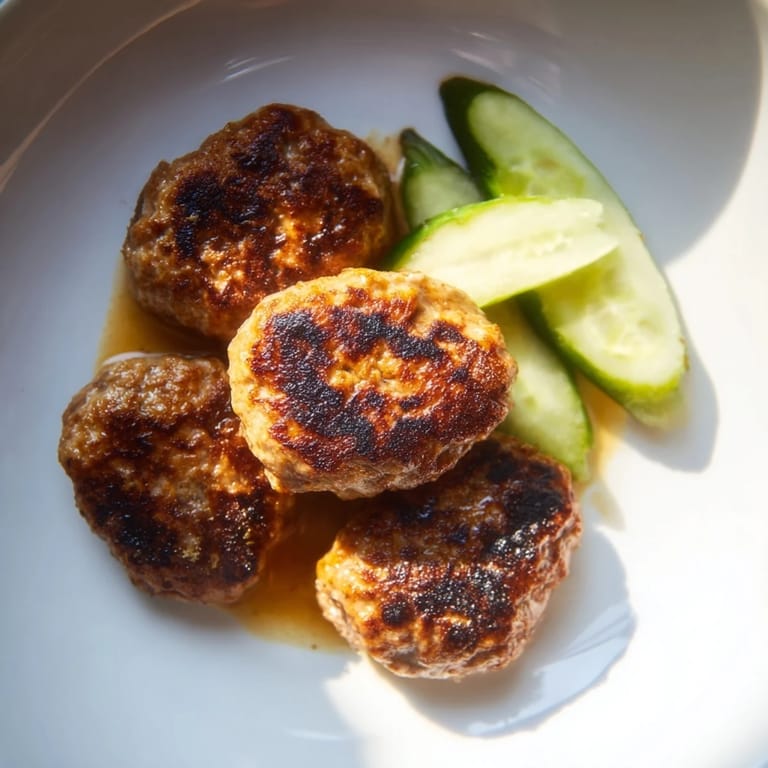
 My first frikadeller experience happened at a cramped Copenhagen dinner table on a rainy Tuesday, where my friend's grandmother wordlessly set down a platter of golden, slightly flattened meatballs still steaming from the pan. She didn't explain them—just watched to see if I understood what I was tasting. There's something about the way they hit the plate with a soft thud, how the inside stayed impossibly juicy while the outside crisped just enough, that made me realize these weren't fancy or complicated. They were better than that: they were honest.
I've made these for a Tuesday family dinner when everyone was too tired to care about anything fancy, and somehow they became the thing nobody forgot. There's a quiet magic in watching someone bite through that golden crust and find soft, seasoned meat inside—the kind of meal that doesn't need ceremony, just good butter and a reason to gather.
Ingredients
- Ground pork (500 g): The backbone—ask your butcher for something freshly ground if you can, and don't skip the option to mix in veal for a subtler, finer texture that feels almost delicate.
- Small onion, finely grated: Grating instead of mincing gives you juice that seasons everything evenly, dissolving into the meat so you taste onion without hitting chunks.
- Egg (1): The binder that holds everything together without heaviness; it's small but essential.
- Whole milk (100 ml): This keeps things moist and tender—don't use skim or the texture suffers.
- Breadcrumbs (60 g): They absorb liquid and add structure, but let them soak in the milk first or your meatballs tighten up.
- Salt (1 tsp), black pepper (½ tsp), allspice (½ tsp): Salt and pepper are non-negotiable; allspice is the Danish whisper that makes people ask what's different about these.
- Unsalted butter (2 tbsp) and neutral oil (1 tbsp): Butter gives flavor, oil keeps the heat stable—use them together and you get golden, not burned.
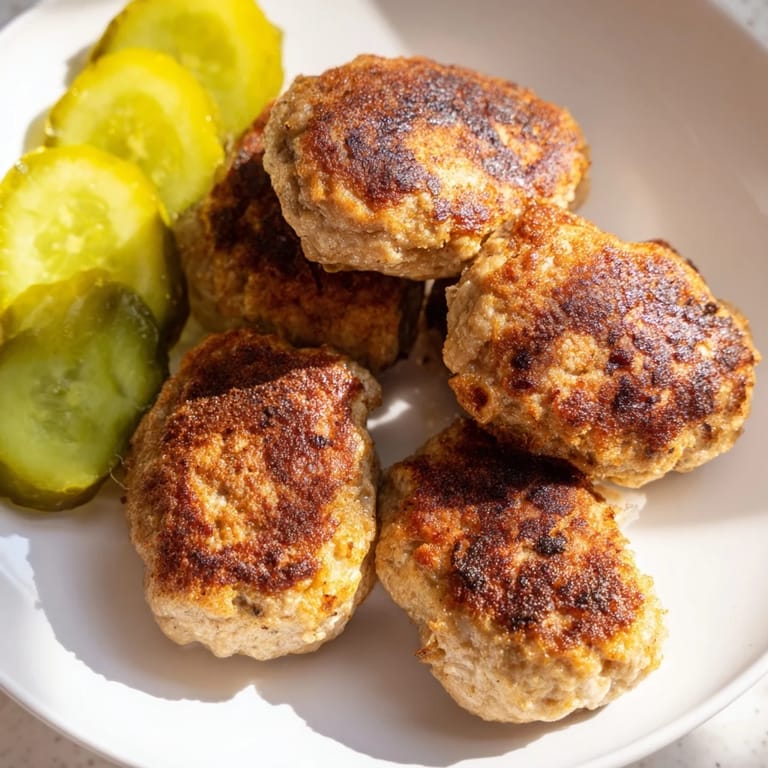
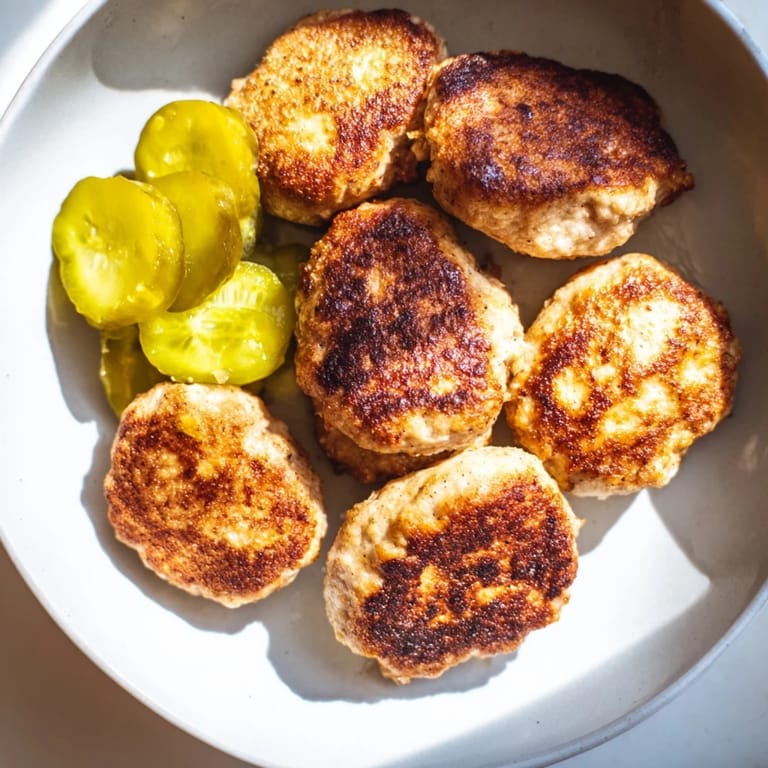
- Danish pickles, rye bread, or boiled potatoes to serve: The tangy pickles cut the richness like a conversation between old friends.
Tired of Takeout? 🥡
Get 10 meals you can make faster than delivery arrives. Seriously.
One email. No spam. Unsubscribe anytime.
Instructions
- Mix the base:
- In a large bowl, combine pork, grated onion, egg, milk, breadcrumbs, salt, pepper, and allspice. Stir until everything is cohesive and slightly sticky to the touch—you want it loose enough to feel forgiving, not dense like clay.
- Let it rest:
- Walk away for 10 minutes while the breadcrumbs drink in all that milk. This moment matters more than you'd think; it prevents dense, tight meatballs and gives the flavors time to get acquainted.
- Shape with wet hands:
- Wet your hands so nothing sticks, then gently form golf ball–sized ovals or rounds—12 to 14 pieces depending on how generous you're feeling. Don't squeeze too hard or you'll compact them and lose that tender interior.
- Heat your pan:
- Melt butter with oil over medium heat and let it foam together for a moment—that sizzle when you add the first meatball should sound inviting, not angry.
- Fry in batches, flatten slightly:
- Lower the meatballs into the pan and use a spatula to press them down gently, flattening to maybe half their original height. Fry for 4–5 minutes per side until deeply golden and cooked through, rotating them only once so you get that crust.
- Rest on paper towels:
- Transfer them to a waiting plate lined with paper towels to shed excess fat, keeping them hot until serving.
- Serve with intention:
- Plate them hot alongside tangy pickles and whatever starch calls to you—rye bread, boiled potatoes, or just the pickles if you want simplicity.
 Save to Pinterest
 These meatballs taught me that food doesn't have to be complicated to matter. At one quiet dinner, someone asked for seconds before finishing their first, and I realized these little rounds of seasoned pork had somehow become the reason the conversation slowed down and the table felt fuller.
The Secret of Texture
The trick nobody talks about is how milk and breadcrumbs work as a team. Breadcrumbs alone will dry things out; milk alone leaves them loose and falling apart. Together, they create a suspension that keeps each bite tender and juicy, almost like the mixture remembers it came from an animal and refuses to clench up. When you shape them, you're not forcing them into submission—you're just gently suggesting a form.
Serving and Pairings
The pickles aren't optional flavor—they're essential. The sharp vinegar cuts through the richness of the meat and butter, making each bite feel fresher than the last. Rye bread or potatoes ground you in the meal, turning meatballs into something that feels like a complete dinner instead of just a component. Some people serve these with creamy potato salad or red cabbage, and both feel authentically Danish in their own quiet way.
Making Them Your Own
While these are traditional, they welcome gentle experimentation if you listen to what you're doing. A veal and pork mix brings elegance without changing the soul of the dish. Allspice is the Danish signature, but some families skip it entirely—taste yours at the resting stage and decide if you want that warm, slightly sweet note. These freeze beautifully after frying, so make a double batch when you're in the mood and future-you will be grateful.
- If you're using store-bought pickles, check the label for allergens since they vary by brand.
- Leftover frikadeller reheat gently in a low oven rather than the microwave, which hardens them.
- Veal can be hard to find, but ask your butcher—they often have it or can order it for a mix that feels even more refined.
 Save to Pinterest
 These meatballs have a way of making ordinary dinners feel intentional. Make them when you need something that tastes like care without asking for performance.
Recipe Questions & Answers
- → What type of meat is used in these meatballs?
Ground pork is primarily used, though occasionally combined with veal for a lighter texture.
- → How are the meatballs cooked for best results?
They are pan-fried in a mixture of butter and neutral oil over medium heat until golden brown and cooked through.
- → What spices enhance the flavor of these meatballs?
A simple blend of salt, pepper, and optional allspice gives these meatballs their distinctive, subtle warmth.
- → What traditional accompaniments are served with this dish?
Common sides include tangy Danish pickles, rye bread, or boiled potatoes to balance the rich meatballs.
- → Can the texture be modified for a lighter outcome?
Yes, substituting half the pork with ground veal softens the texture without compromising flavor.