 Save to Pinterest
 I discovered this dish at a gallery opening in a small corner of the city, where a thoughtful caterer had arranged these tiny edible artworks on slate tiles. Each one was like a portrait painted in white and black, and I couldn't resist asking how it was made. The answer was delightfully simple, which made me realize that elegance doesn't always demand complexity.
Years later, I made these for a dinner party when I was too exhausted to attempt anything ambitious. My friend arrived early to help, and we both laughed as she accidentally smudged the tapenade into an abstract shape instead of a clean silhouette. It looked utterly imperfect, yet somehow more charming than my practiced attempts. That night taught me that these little cameos have a forgiving nature, embracing happy accidents as much as deliberate artistry.
Ingredients
- Fresh goat cheese or cream cheese, 200 g: Use whatever feels creamy and spreadable; goat cheese brings a subtle tang that grounds the richness, while cream cheese offers a gentler, almost buttery canvas.
- Black olive tapenade, 80 g: Store-bought works beautifully, though homemade brings deeper flavor if you have the olives on hand.
- Rustic baguette or gluten-free crackers, 4 slices: These become the foundation, though the cheese can absolutely stand alone if you prefer.
- Fresh herbs like thyme or chives, finely chopped: The final touch that keeps everything from tasting too heavy or one-note.
- Extra virgin olive oil: The best you can afford; this is where quality truly shows through.
Tired of Takeout? 🥡
Get 10 meals you can make faster than delivery arrives. Seriously.
One email. No spam. Unsubscribe anytime.
Instructions
- Shape your cheese into medallions:
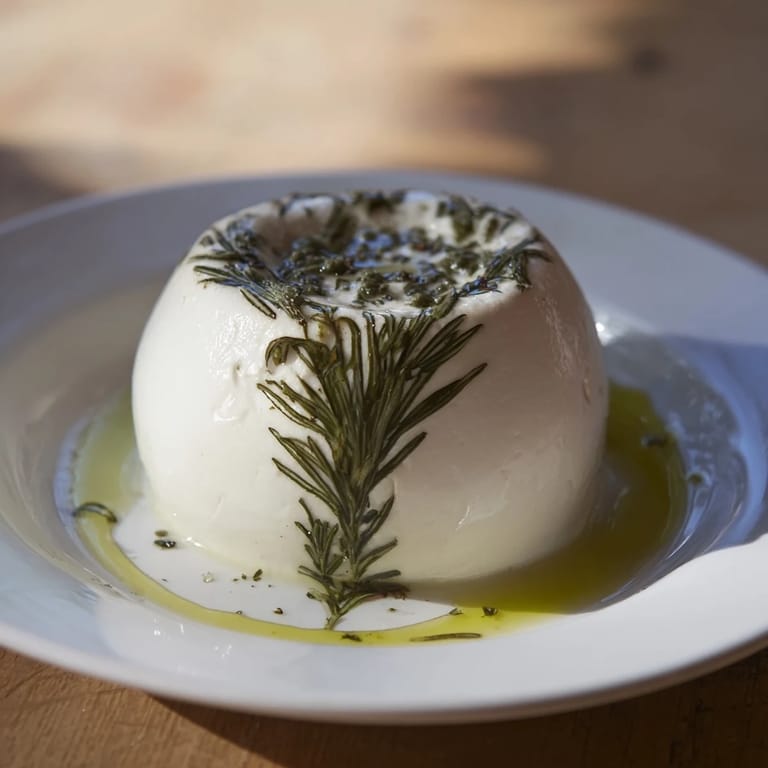
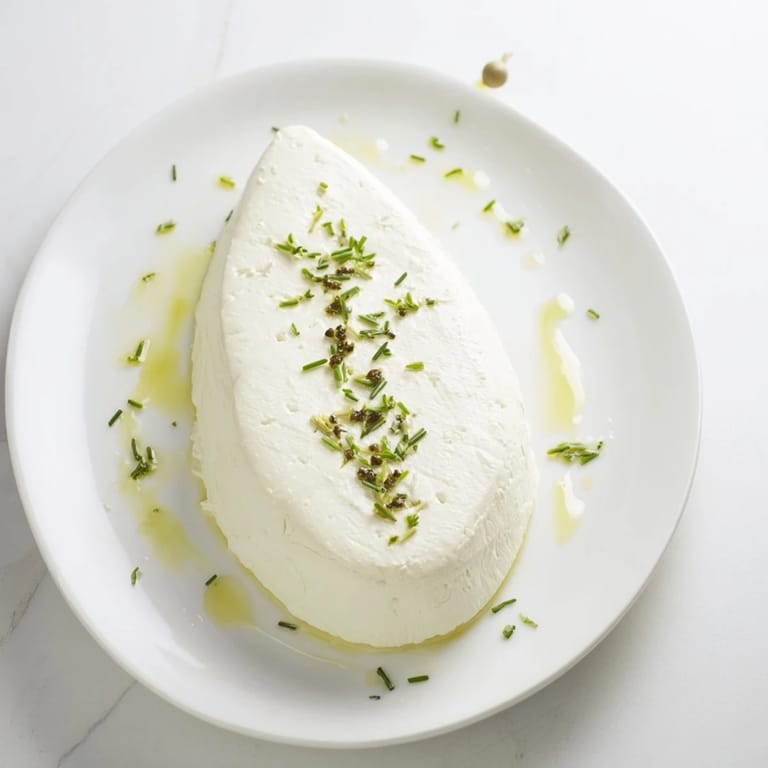
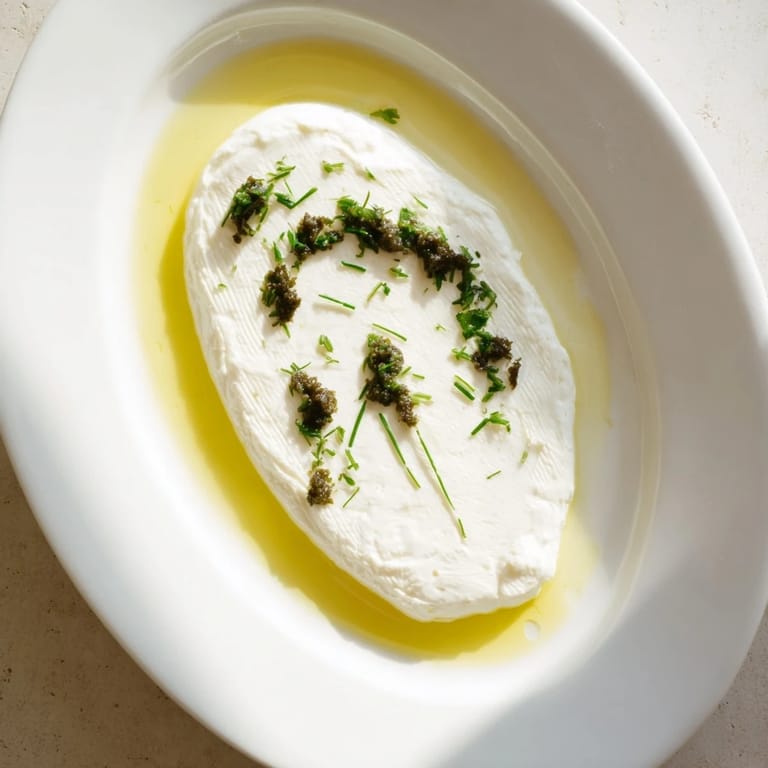
- Scoop the cheese and gently press it into a thick oval, about 2 cm high, either on your plate directly or onto a slice of bread. The slight imperfection of a hand-shaped oval is part of the charm.
- Paint on the tapenade silhouette:
- Using the back of a spoon or a small spatula, spread a thin, deliberate layer of tapenade across the cheese to create that striking cameo effect. You can free-hand a profile shape or use a stencil if you're feeling artistic.
- Add the finishing touches:
- Drizzle a small amount of olive oil around the plate and scatter your fresh herbs over the top, letting them catch the light slightly.
- Serve right away:
- These taste best while the cheese is still cool and the herbs are bright, so bring them to the table as soon as you've finished plating.
 Save to Pinterest
 What strikes me most about these little cameos is how they've become my go-to when I want to impress someone without the stress of real cooking. There's something about placing them on the table that shifts the entire mood of a gathering, turning a simple appetizer into an edible conversation starter.
Making It Your Own
Once you understand the basic structure, this appetizer becomes wonderfully flexible. I've swapped the goat cheese for a creamy burrata when I wanted something richer, and used sun-dried tomato paste instead of tapenade when I craved earthiness. The architecture stays the same; only the flavors change.
Building a Simple Spread
If you decide to make tapenade from scratch, it takes just five minutes of blending. The smell of fresh olives and garlic coming together in the food processor is intoxicating, and somehow that homemade version tastes noticeably sharper and more alive than anything from a jar. I've learned to taste it as I blend, adjusting the lemon juice to my mood that day.
A Cheese That Works Hard
The cheese is the quiet hero here; it needs to hold its shape while remaining creamy enough to enjoy. I always let cream cheese soften just slightly before shaping, so it's not rock-hard but still structured enough to accept the tapenade without sliding around. Finding that balance between cold firmness and spreadability is the small technical moment where this recipe truly rewards attention.
- Goat cheese brings brightness, while cream cheese offers subtle sweetness; choose based on what else you're serving.
- If your cheese is too soft, chill it in the freezer for ten minutes after shaping.
- A small offset spatula makes spreading tapenade dramatically easier than using a spoon.
 Save to Pinterest
 This recipe has taught me that simple can be stunning, and that sometimes the most memorable parts of a meal come not from hours of labor, but from thoughtful presentation and quality ingredients. I return to these cameos again and again, each time feeling that same quiet satisfaction of creating something beautiful in just a handful of minutes.
Recipe Questions & Answers
- → What type of cheese works best for this dish?
Fresh goat cheese (chèvre) or cream cheese both provide a creamy texture and mild flavor ideal for this preparation.
- → Can I make the tapenade from scratch?
Yes, blend pitted black olives with garlic, capers, lemon juice, and olive oil until smooth for a homemade tapenade.
- → What is the best way to create the silhouette effect?
Spread the tapenade carefully with the back of a spoon or small spatula to form a thin, even layer, or use a stencil for precise shapes.
- → Are there suitable alternatives for a vegan diet?
Use a plant-based cream cheese substitute in place of goat cheese to keep the dish vegan-friendly.
- → What kind of accompaniments complement this dish?
Serve atop rustic baguette slices or gluten-free crackers, and consider pairing with fresh herbs and a drizzle of extra virgin olive oil.
- → How long does it take to prepare?
Preparation is quick, taking approximately 15 minutes with no cooking time required.