 Save to Pinterest
 I discovered this dish while rearranging my kitchen one afternoon, staring at a half-empty container of hummus and a box of crackers that had been sitting there for days. There was something about the way the afternoon light hit the spice rack that made me think about layering—not just flavors, but textures and presentation. By evening, my platter looked like something from a gallery opening, and it tasted even better than it looked.
The first time I made this for friends, I was nervous about whether layering hummus would even work, but watching their faces as they approached the platter made every uncertain moment worth it. One guest asked if I'd made it myself, and when I said yes, she looked genuinely shocked. That reaction stuck with me.
Ingredients
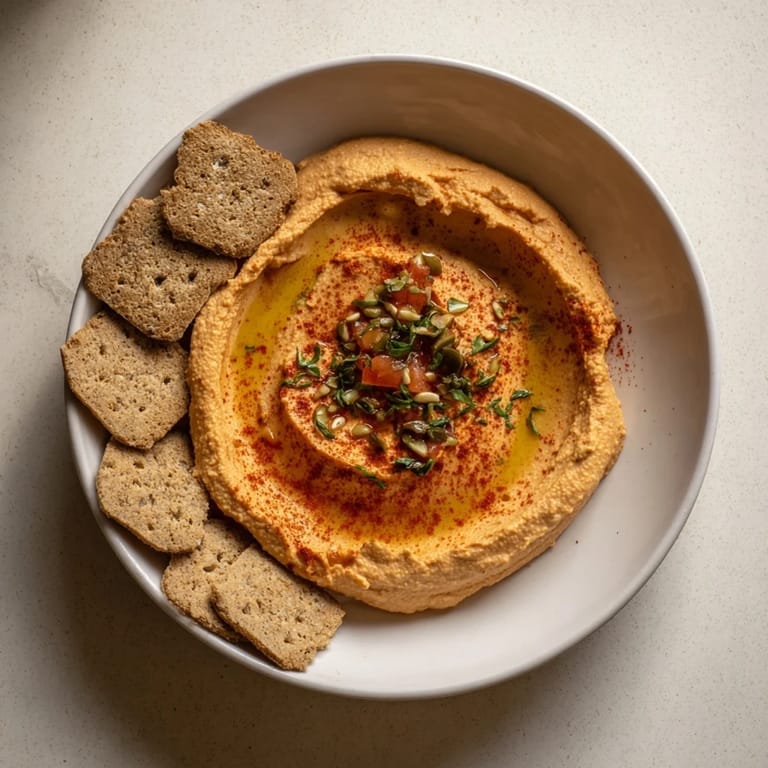
- Classic hummus: Five hundred grams forms the base and needs generous seasoning to really shine, so don't skip the spices even if you think the hummus tastes fine on its own.
- Smoked paprika: One teaspoon brings warmth and color that regular paprika just doesn't match.
- Extra-virgin olive oil: One tablespoon ties everything together and adds a richness that budget oils can't deliver.
- Ground cumin: Half a teaspoon deepens the flavor without announcing itself loudly.
- Cayenne pepper: A quarter teaspoon optional, but if you like heat, it transforms the whole experience.
- Beige crackers: Two hundred grams in whatever style speaks to you—sesame, whole wheat, or plain water crackers all work beautifully.
- Toasted sesame seeds: Two tablespoons add unexpected texture and a toasty note that feels luxurious.
- Fresh parsley: Two tablespoons chopped brings color and a gentle herbaceous note that prevents the dish from feeling too heavy.
- Lemon wedges: One small lemon cut into wedges provides brightness and a reason to squeeze something fresh over each bite.
Tired of Takeout? 🥡
Get 10 meals you can make faster than delivery arrives. Seriously.
One email. No spam. Unsubscribe anytime.
Instructions
- Season your canvas:
- Combine the hummus with smoked paprika, olive oil, cumin, and cayenne in a bowl, stirring until the spices are completely dissolved and the color is even throughout. Taste and adjust—this is where the whole dish gets its personality.
- Create the first wave:
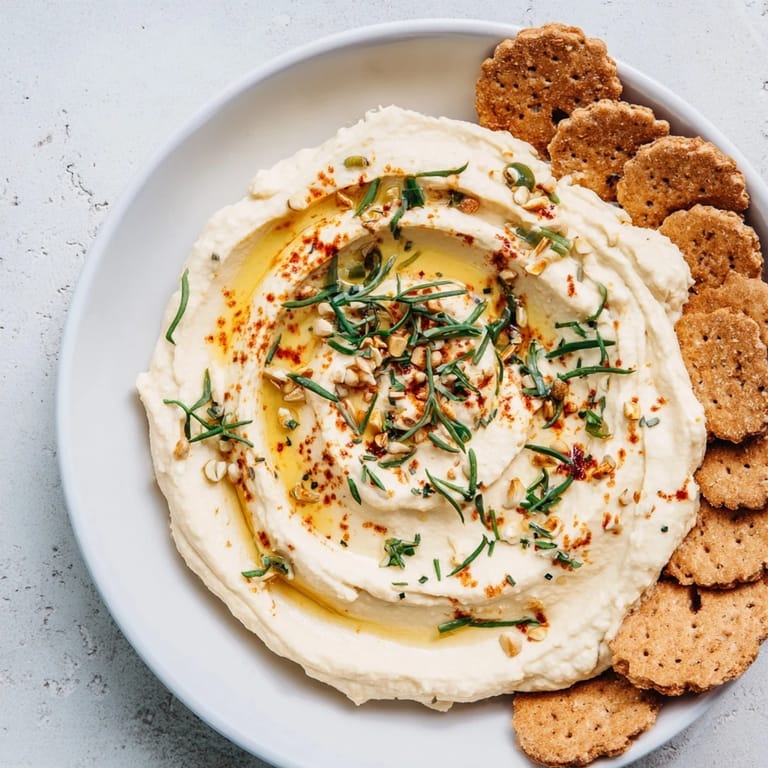
- Spread a thin, undulating layer of seasoned hummus across your serving platter using a spatula, making deliberate ridges and valleys that mimic canyon walls. Don't worry about perfection; slight imperfections make it look more natural and honest.
- Plant the crackers:
- Stand crackers upright directly into the hummus layer, following the wavy contours you've created and slightly overlapping them for depth. The hummus should hold them in place, but arrange gently so you don't disturb your foundation layer.
- Build in layers:
- Repeat the hummus and cracker sequence three to four times, alternating gentle waves of hummus with crackers angled and positioned to echo the canyon landscape. Each layer should sit just slightly higher than the last, creating real depth.
- Finish with intention:
- Sprinkle toasted sesame seeds and chopped fresh parsley across the top, distributing them unevenly for a natural, gathered look. The garnish should feel like a finishing touch, not a uniform coating.
- Serve with brightness:
- Place lemon wedges around the platter so guests can squeeze brightness over their bites whenever they want. Serve immediately while the hummus is cool and the crackers are still crisp.
 Save to Pinterest
 A few weeks after that first dinner party, someone asked me for the recipe and I realized I'd created something worth sharing. It felt like a small victory, the kind that happens when you stop following instructions and start trusting your own eyes.
Why Presentation Matters Here
This dish is as much about what people see as what they taste, and that's not superficial—it's part of the experience. The visual effect of canyon walls made from humble ingredients makes people slow down and really pay attention to each bite. There's something about eating something beautiful that makes you taste it differently.
Customizing Your Layers
The magic of this appetizer is how flexible it actually is once you understand the basic structure. Swirl in roasted red pepper hummus or sun-dried tomato hummus between layers for deeper flavor and color variation. You can also scatter toasted chickpeas or diced fresh cucumber over the top if you want to add crunch beyond the crackers. Some nights I've even added a thin drizzle of pomegranate molasses across the top for tartness, and it shifted the whole mood of the dish.
The Right Crackers Make All the Difference
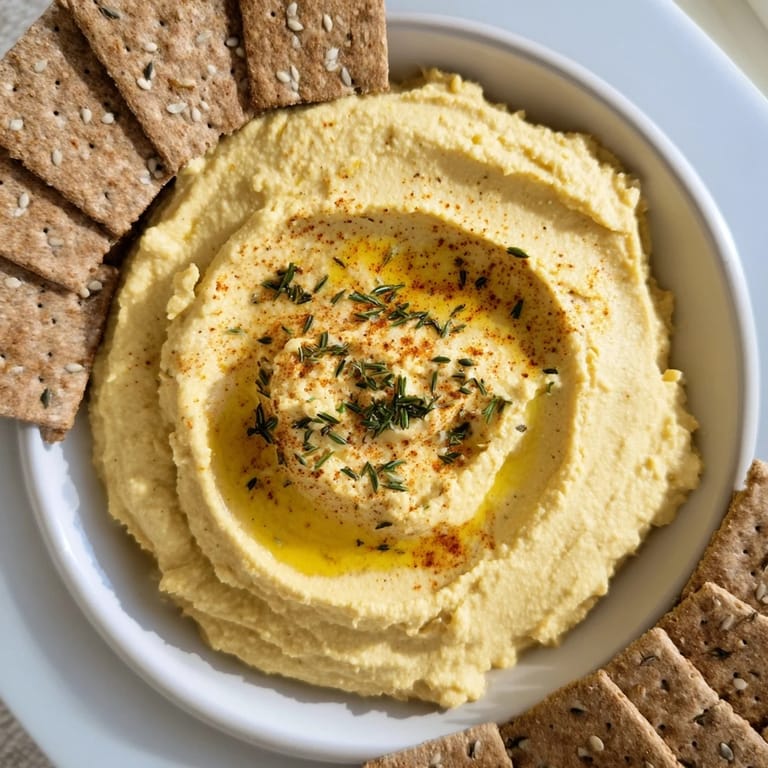
Not all crackers behave the same way when they meet hummus, and learning this took a few experiments. Thin, delicate crackers soften too quickly, while thick, sturdy ones can feel almost aggressively crunchy. You want something in the middle—firm enough to stand upright but porous enough to pick up hummus easily. Look for whole wheat, sesame, or quality water crackers that feel substantial in your hand. The beige color also matters more than it seems; it lets the layers and spices be the visual stars instead of competing for attention.
- Test crackers before committing; buy the smallest package and see how they hold up in hummus.
- Gluten-free versions work just as well if that matters for your guests.
- Store unopened crackers in a cool, dry place and use them within a few days of opening for maximum crispness.
 Save to Pinterest
 This appetizer reminds me that sometimes the simplest ingredients become memorable when you treat them with care and a little intentional creativity. Serve it chilled, watch people's faces, and know you've given them something worth tasting.
Recipe Questions & Answers
- → How do I achieve the layered canyon effect?
Spread hummus in wavy layers and stand crackers upright between them, slightly overlapping to create depth and texture.
- → Can I use gluten-free crackers for this dish?
Yes, gluten-free crackers work well and maintain the intended texture and structure.
- → What spices enhance the hummus flavors?
Smoked paprika, cumin, and a pinch of cayenne pepper add warmth and a subtle smoky heat to the hummus.
- → What garnishes complement the layers?
Toasted sesame seeds and chopped fresh parsley provide added texture and fresh herbal notes.
- → How should I serve this dish?
Serve immediately with lemon wedges on the side for a zesty finish and a bright contrast to the creamy layers.
- → Are there any recommended beverage pairings?
Crisp white wine or iced herbal tea pair nicely, balancing the smoky and creamy flavors.