 Save to Pinterest
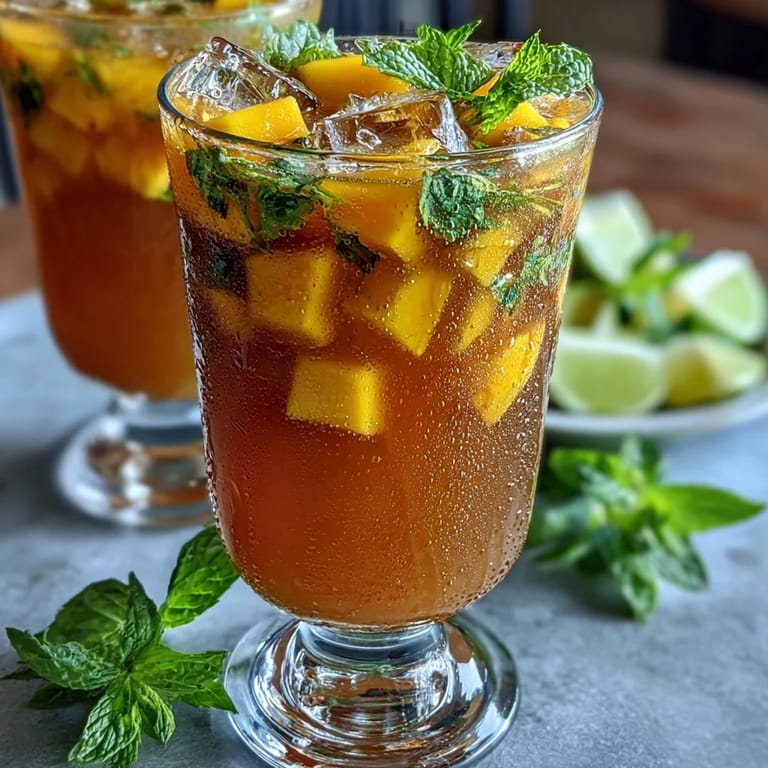
 Last summer, my neighbor showed up at a backyard gathering with a pitcher of something so golden it caught the afternoon light like liquid sunshine. One sip and I was hooked—it tasted like someone had bottled the exact feeling of July. She wouldn't share the recipe that day, but months later I finally figured out her secret: it wasn't just throwing fruit and juice together, it was giving everything time to actually get to know each other. Now this mango peach sangria shows up at every warm-weather gathering we host, and people keep asking what makes it taste so effortlessly summery.
I made this for my daughter's outdoor birthday party last June, and watching her friends discover it was like watching tiny moments of joy happen in real time. One girl came back to the pitcher three times, and her mom later told me it was the first thing her daughter asked to have again that summer. That's when I realized this wasn't just a drink—it was the kind of thing that sticks in people's memories as part of a perfect day.
Ingredients
- Ripe mango (1 large, peeled and diced): This is your foundation—the sweetness and body that makes everything feel luxurious. Choose one that yields slightly to pressure but isn't mushy, and don't skip the freshness step by buying pre-cut; there's a real difference in flavor.
- Ripe peaches (2, pitted and sliced): Peaches bring a delicate floral note that balances the mango's boldness. If they're not fragrant, the whole drink suffers, so smell them at the market and trust your nose.
- Citrus (1 orange, 1 lemon, 1 lime, thinly sliced): These aren't just garnish—they infuse brightness and subtle complexity as they sit with everything else. The thin slices mean more surface area for flavor to release into the liquid.
- Strawberries (1/2 cup, hulled and halved, optional): A gentle addition that adds color and a hint of tartness without overpowering the stone fruit story.
- White grape juice (3 cups, unsweetened): This is your base liquid, and unsweetened versions let the fruit flavors shine instead of getting drowned out by sugar.
- Mango nectar (1 cup): Concentrated mango flavor that deepens the drink's fruity backbone without being artificial.
- Peach nectar (1 cup): Think of this as insurance that the peach flavor stays present throughout the whole pitcher.
- Sparkling water (1 cup, chilled): Add this at the last moment so you get that satisfying fizz and lightness that makes sangria feel special.
- Fresh orange juice (1/2 cup): Freshly squeezed only—bottled juice tastes flat in comparison and you'll notice it immediately.
- Agave syrup or honey (2–3 tablespoons, optional): Only if you need it after tasting. Good fruit usually means you won't.
- Fresh mint leaves (for garnish): A few leaves stirred in early add a whisper of garden freshness that makes people ask what's in this.
Tired of Takeout? 🥡
Get 10 meals you can make faster than delivery arrives. Seriously.
One email. No spam. Unsubscribe anytime.
Instructions
- Start with the fruit foundation:
- In a large pitcher, combine the diced mango, sliced peaches, orange, lemon, lime, and strawberries if using. This step is more important than it sounds—you're building flavor layers that will develop as everything sits together.
- Pour in the liquid base:
- Add the white grape juice, mango nectar, peach nectar, and orange juice, then stir gently to combine everything without crushing the fruit. You want the fruit to stay intact enough that it looks beautiful when people pour their glass.
- Taste and adjust sweetness:
- Taste it right then—if it needs more sweetness, add agave syrup or honey a tablespoon at a time and stir until dissolved. This is your chance to personalize it before the flavors fully blend.
- Let time do the work:
- Cover the pitcher and refrigerate for at least 2 hours, though overnight is even better. The longer it sits, the deeper and rounder the flavors become as the fruit releases all its goodness into the liquid.
- The final flourish:
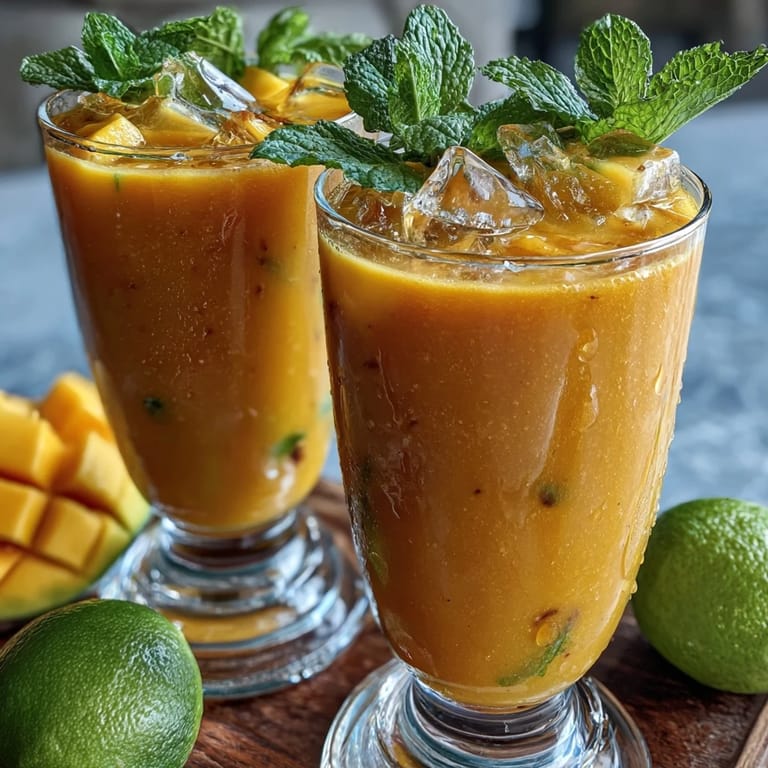
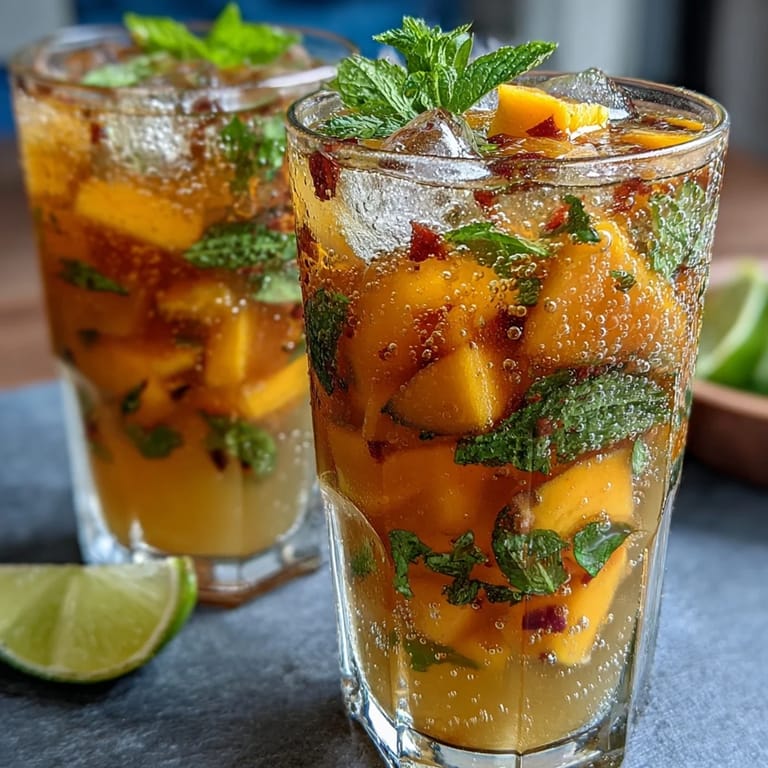
- Right before serving, add the chilled sparkling water and stir gently so you keep the carbonation alive. Fill glasses with ice, pour the sangria over, and top with fresh mint and extra fruit slices if you're feeling generous.
 Save to Pinterest
 There's a moment about halfway through my July gatherings when someone realizes this drink is non-alcoholic and stops mid-sip, genuinely surprised. It's become my favorite conversation starter because it reminds people that something doesn't need alcohol to feel celebratory or special. That's when I know it's become more than just refreshment—it's part of creating an actual experience.
Why This Works as a No-Alcohol Option
Traditional sangria relies on wine to add depth and complexity, but this version stacks layers of flavor through the nectars, fresh juices, and time. The fruit itself becomes so infused with sweetness and juice that when you bite into a piece of mango or peach mid-sip, it's genuinely exciting. You get the sophistication and flavor development of sangria without anyone needing to compromise their choices.
The Ice Cube Hack That Changes Everything
Once I discovered that using frozen fruit instead of regular ice cubes was a game changer, I never went back. Regular ice melts and dilutes the sangria as the afternoon warms up, but frozen mango chunks or strawberry halves keep everything cold while actually complementing the drink. Make them the morning of by freezing small dice of extra mango or berries in an ice cube tray with a splash of white grape juice.
Flavors That Play Well Together
The beautiful thing about this combination is how the mango and peach create a soft, velvety base while the citrus cuts through with brightness so nothing feels cloying. If you want to push it further, the notes suggest passion fruit juice adds tanginess, or you could swap the peach nectar for pineapple juice if stone fruit isn't speaking to you that day. The structure stays solid even when you adjust because you're working with flavors that inherently belong in the same moment—summer fruit, essentially.
- For tropical vibes, add a splash of passion fruit juice or coconut water instead of some of the grape juice.
- Frozen fruit cubes are your secret weapon against watered-down sangria by afternoon.
- Always taste before adding sweetener because ripe fruit often does the work for you.
 Save to Pinterest
 This sangria has become the drink I'm known for, and honestly, I love that it brings people together on warm days without any complicated story. It's just good fruit, good juice, and the patience to let them become something beautiful.
Recipe Questions & Answers
- → Can I prepare this drink in advance?
Yes, refrigerate the blend for at least 2 hours to let flavors meld before adding sparkling water and serving.
- → What can I use instead of agave syrup to sweeten?
Honey is a great alternative, but remember it may not suit vegan preferences.
- → How can I keep the drink chilled without dilution?
Use frozen fruit cubes instead of regular ice to maintain flavor without watering down.
- → Are there any allergen concerns with this drink?
This blend contains no major allergens, but always check nectar labels for possible cross-contamination.
- → What food pairings complement this beverage?
It pairs wonderfully with light summer salads, grilled seafood, or tapas-style dishes.